
Imagine this: you’re enjoying a peaceful evening at home, but then your standby generator kicks in, and suddenly, it sounds like a mini construction site right in your backyard. Frustrating, isn’t it?
If you’ve ever experienced this, you’re not alone. Generators are lifesavers during power outages, but the noise they produce can be a real headache. Whether you’re struggling to hear your favorite TV show or simply trying to maintain a serene environment, excessive generator noise is a common problem many homeowners face.
But don’t worry, there are effective ways to reduce that noise and reclaim your peace. Ready to discover how you can transform your loud generator into a whisper-quiet machine? Let’s dive into practical tips and solutions that will help you enjoy the benefits of your standby generator without the disruptive noise.
Sources Of Generator Noise
The engine and exhaustproduce the loudest noises in standby generators. The engine runs on fuel, making a constant sound, while exhaust gases create sharp bursts. Soundproof covers can reduce these noises effectively.
Vibration and mechanical noisecome from moving parts inside the generator. These vibrations make rattling and humming sounds. Using rubber mounts or pads helps absorb vibrations and lowers noise.
Air intake and cooling fansare essential for keeping the generator cool. Fans spin fast, causing a steady whooshing sound. Installing quieter fans or enclosing the unit with vents can soften the airflow noise.

Credit: www.amazon.ca
Choosing A Quiet Generator
Inverter generatorsproduce less noise than conventional models. They adjust engine speed to match power needs. This makes them quieter and more fuel-efficient. Conventional generators run at a constant speed, creating more noise.
Comparing noise ratings helps choose a quieter option. Noise is measured in decibels (dB). Lower dB means less sound. A typical inverter generator runs around 50-60 dB. Conventional models often exceed 70 dB.
| Generator Type | Noise Level (dB) | Engine Speed | Fuel Efficiency |
|---|---|---|---|
| Inverter | 50-60 | Variable | High |
| Conventional | 70+ | Constant | Lower |
Soundproofing Techniques
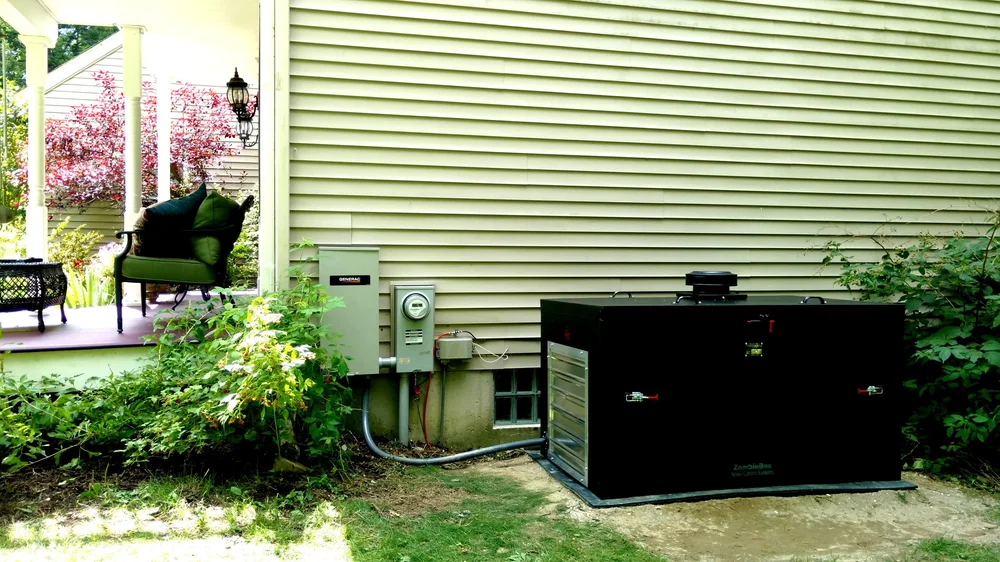
Enclosures made of thick metal or heavy plastic help block noise. Placing the generator inside a soundproof box lowers sound levels. Barriers like walls or fences around the generator reduce noise spreading to nearby areas.
Insulation materials absorb and reduce sound waves. Using foam, fiberglass, or mass loaded vinyl inside the enclosure helps keep noise down. These materials trap sound and prevent it from escaping.
Anti-vibration mounts stop the generator from shaking. Vibrations cause extra noise and can damage the unit. Rubber or spring mounts isolate the generator and lessen noise caused by movement.
Proper Installation Practices
Choosing the right locationfor your standby generator helps reduce noise. Place it far from living areasand neighbors. Avoid spots near windows or doors. A well-ventilatedarea prevents overheating and noise buildup.
Use a solid foundationto mount the generator. Concrete pads or thick slabs work best. This stops vibrationsthat cause extra noise. Elevate the generator slightly to avoid water damage.
- Keep the unit stable and level
- Use vibration isolators or pads
- Check for loose parts regularly
Maintenance For Noise Reduction
Regular engine tune-upskeep the generator running smoothly. This helps reduce unnecessary noisecaused by worn parts or poor combustion. Checking spark plugs, air filters, and fuel systems is key. Clean parts work better and quieter.
Exhaust system checksare important. A damaged or loose exhaust can make loud noises. Inspect mufflers and pipes for holes or rust. Tighten loose parts and replace broken ones to minimize noise.
- Lubricationreduces friction in moving parts. Use the right oil and change it regularly.
- Coolingprevents overheating, which can cause loud engine sounds.
- Keep the cooling system clean and check coolant levels often.
Credit: www.zombiebox.com
Additional Noise Control Methods
Mufflers and silencersreduce the loud noise made by the generator’s engine. They work by blocking and absorbing sound waves. This makes the generator run much quieter. Many generators come with mufflers, but you can add better ones for extra noise control.
Sound blanketsare special covers that wrap around the generator. They soak up sound and stop noise from escaping. These blankets are made from thick, soft materials that reduce sound very well. They are easy to use and do not harm the generator’s work.
Landscaping and natural sound barriersuse plants, trees, and walls to block noise. Tall bushes or fences can stop sound from moving far. These natural barriers also make the area look nice. Placing the generator behind a fence or bushes lowers noise for neighbors.

Credit: www.amazon.com
Frequently Asked Questions
How Can I Reduce Standby Generator Noise Levels?
To reduce noise, use soundproof enclosures or barriers around the generator. Regular maintenance also minimizes noise by keeping parts in good condition.
What Materials Help Soundproof A Standby Generator?
Materials like acoustic foam, mass-loaded vinyl, and soundproof blankets absorb and block sound effectively. These materials reduce noise transmission from the generator.
Does Installing A Generator Enclosure Cut Down Noise?
Yes, enclosures designed for generators significantly lower noise by containing sound within a barrier. Ensure the enclosure has proper ventilation to avoid overheating.
Can Placing A Generator On A Vibration Isolator Help Noise?
Vibration isolators reduce noise by minimizing vibrations transferred to the ground or structure. This reduces the overall sound generated during operation.
Conclusion
Reducing noise on a standby generator helps create a peaceful environment. Simple steps like placing the generator on a soft surface can help. Using soundproof enclosures or barriers blocks loud sounds. Regular maintenance keeps the generator running quietly. Quiet generators work better and last longer.
Small changes make a big difference in noise levels. Try these tips to enjoy power without the noise. Your home stays calm, even during power outages. Noise control is easy with the right approach.