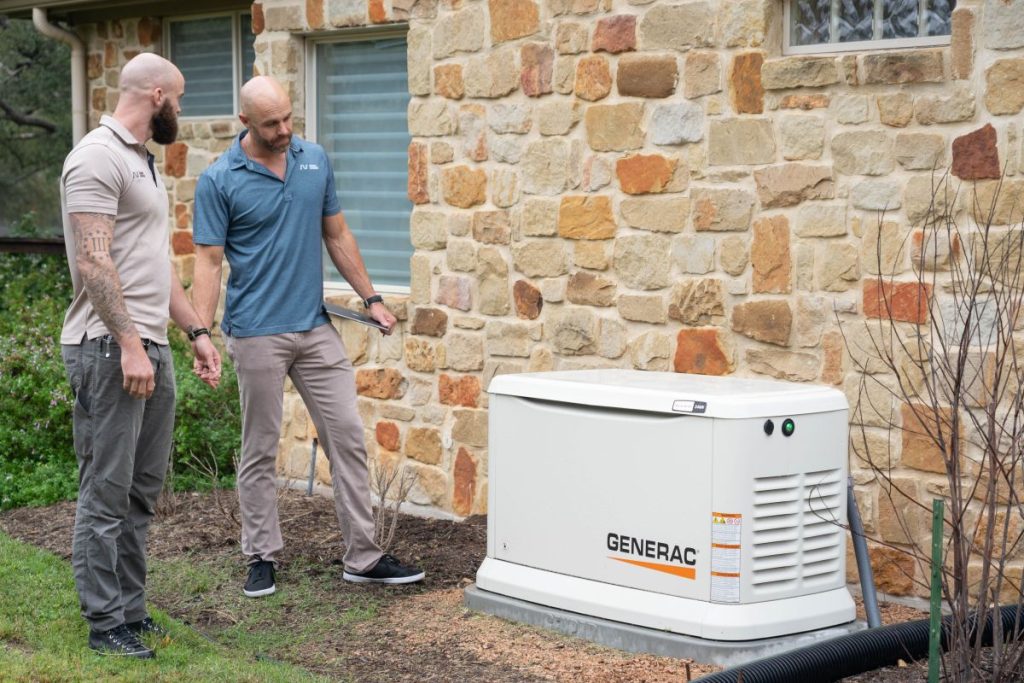
Are you considering investing in a standby generator but unsure about sizing it correctly? Choosing the right size is crucial to ensure that your generator can handle your home’s power needs without unnecessary expenses.
Imagine the peace of mind you’ll have knowing that your generator is ready to keep your home running smoothly during unexpected power outages. In this guide, you’ll discover simple steps and expert tips to accurately size your standby generator. By the end of this article, you’ll feel confident in making an informed decision that keeps your home safe and comfortable, no matter what.
Keep reading to uncover the secrets to perfect generator sizing tailored just for you.

Credit: www.hecomfortservices.com
Assess Power Needs
Begin by listing all essential appliancesyou want powered during an outage. Include items like refrigerators, lights, and heating systems. This helps focus on what truly needs electricity.
Calculate the total wattageby adding the power use of each appliance. Use the label on each device or its manual to find wattage. Add these numbers to get the total running watts.
Consider the difference between starting wattsand running watts. Some appliances, like air conditioners, need more power to start. Make sure your generator can handle this surge.
| Appliance | Running Watts | Starting Watts |
|---|---|---|
| Refrigerator | 700 | 2200 |
| Air Conditioner | 3500 | 5500 |
| Lights | 600 | 600 |
| Water Heater | 4500 | 4500 |
Choose Generator Type
Portable generatorsare easy to move and cost less. They work well for short power outages or camping trips. Standby generatorsare fixed outside your home. They turn on automatically during a power cut. These generators supply power to the whole house.
Fuel type is key. Gasolineis common for portable generators but may run out fast. Natural gasand propanefuel standby generators. These fuels are often available through home connections.
| Generator Type | Fuel Type | Availability | Use Case |
|---|---|---|---|
| Portable | Gasoline | Stored fuel, buy at stores | Short outages, small power needs |
| Standby | Natural Gas, Propane | Connected to home supply | Whole house, long outages |
Evaluate Load Requirements
Single-phase loadsuse one power wire and one neutral wire. They are common in homes and small businesses. Three-phase loadsuse three power wires and are found in big buildings or factories. Three-phase systems provide more power and work better for heavy machines.
Understanding the difference helps pick the right generator size. Single-phase generators are smaller and cheaper. Three-phase generators are bigger and cost more but handle more power.
| Load Type | Description | Common Use |
|---|---|---|
| Single-Phase | One power wire and one neutral wire | Homes, small businesses |
| Three-Phase | Three power wires | Large buildings, factories |
Continuous loadis the normal power needed all the time. Peak loadis the extra power needed for a short time when many devices start at once. The generator must handle the peak load without problems.
- Continuous load is steady and predictable.
- Peak load happens when devices turn on at the same time.
- Generators must support peak load for safety.
Account For Future Expansion
Account for future expansionwhen sizing a standby generator. Homes often add new appliances over time. These appliances increase power needs. It is smart to plan for these changes.
Consider these points:
- List all current appliances and their power use.
- Think about new appliances you might add soon.
- Estimate how much power each new item will need.
- Add extra capacity for unexpected power demands.
Changes in power use can happen anytime. More people or devices in the home raise power needs. The generator should handle these changes without strain.
Consult Professional Guidelines
Always follow manufacturer recommendationsfor sizing a standby generator. These guidelines explain how much power your generator should supply. Each model has limits on power output and usage. Using the right size ensures safe and efficientoperation.
Check local codes and regulations. These rules tell you the minimum standards for generator installation. They may require permits or inspections. Compliance helps avoid fines and safety risks.
- Manufacturer manuals provide power ratings and sizing tips.
- Local codes can vary by city or state.
- Consult local authorities or licensed electricians for advice.
- Following guidelines protects your home and equipment.
Credit: generatorstore.com
Plan Installation Location
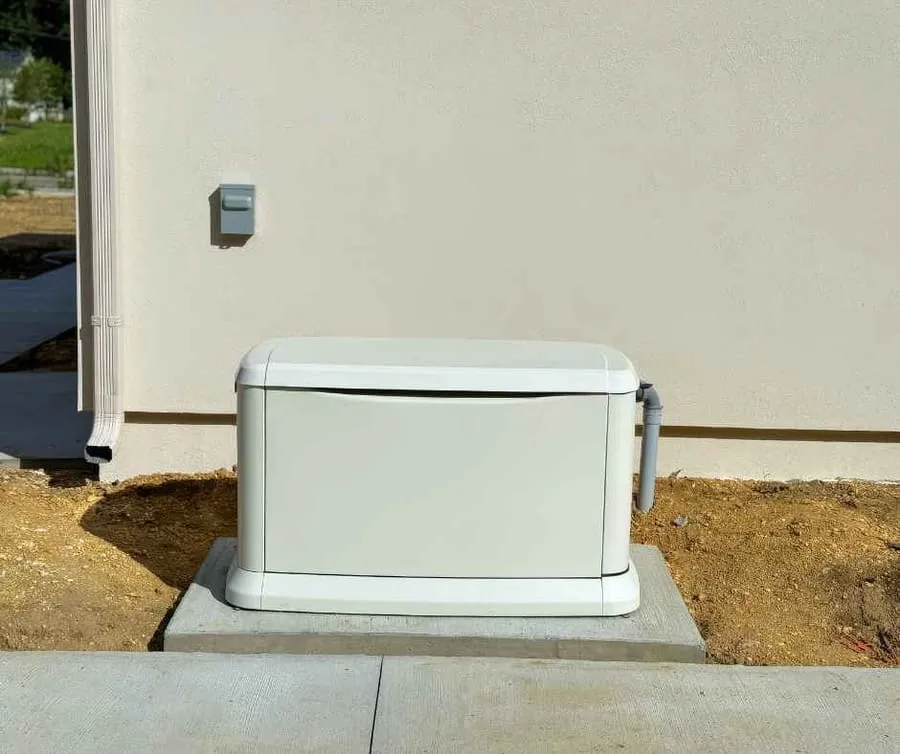
Choose a location with enough spacefor the generator and its maintenance. Proper ventilationis crucial to avoid harmful fumes buildup. Keep the unit away from windows, doors, and vents to prevent exhaust from entering the home.
Noise can be a problem for neighbors and family. Pick a spot that minimizes soundimpact. You may need a noise barrier or enclosure to reduce loudness.
Safety is key. The generator should be placed on a stable, level surface. Avoid areas prone to flooding or close to flammable materials. Also, ensure easy access for fuel delivery and maintenance checks.
Test And Verify Generator Size
Load testing helps check if the generator can handle your power needs. It involves running the generator at different power levels to see how it performs. This test shows if the generator meets your home’s or business’s energy demand.
Adjusting for optimal performance means fine-tuning the generator settings. This ensures it runs smoothly and efficiently. Regular checks and adjustments help avoid problems and extend the generator’s life.
| Load Testing | Adjusting for Optimal Performance |
|---|---|
|
|

Credit: woodstockpower.com
Frequently Asked Questions
How Do I Calculate Standby Generator Size?
To calculate size, list essential appliances and their wattage. Add running and starting watts. Choose a generator with slightly higher capacity for safety and future needs.
What Factors Affect Standby Generator Sizing?
Key factors include total wattage of connected devices, starting surge power, fuel type, and desired backup duration. Consider future power needs and energy efficiency for optimal sizing.
Can I Size A Standby Generator For Whole House?
Yes, size it by summing wattage of all essential home circuits. Include HVAC, fridge, lights, and outlets. This ensures complete power backup during outages.
Why Is Starting Wattage Important In Sizing?
Starting wattage is higher power needed to start motors or appliances. Ignoring it may cause generator overload. Always include starting watts for accurate generator sizing.
Conclusion
Sizing a standby generator is key for reliable power during outages. Start by listing essential appliances and their power needs. Add extra capacity for safety and future use. Choose a generator that matches your total wattage needs closely. Proper sizing helps avoid overload and saves money.
A well-sized generator keeps your home running smoothly. Take your time to calculate carefully. This simple step ensures peace of mind during power loss.