Are you tired of power outages interrupting your daily life? Do you wish for a reliable backup during storms or unexpected blackouts?
Wiring a standby generator might just be the solution you need. Imagine the peace of mind knowing your home stays powered, your food stays fresh, and your devices stay charged, no matter what. In this guide, you’ll discover the simple steps to wire your own standby generator, ensuring your home remains a haven of comfort and security.
Get ready to take control and transform how you manage power in your home. Curious about how easy it can be? Let’s dive in and demystify the process together.
Credit: www.jadelearning.com
Choosing The Right Generator
Standby generatorscome in different types. The two main kinds are whole-houseand portable generators. Whole-house generators turn on automatically during power cuts. Portable ones need to be started manually and power fewer devices.
Choosing the right size is important. A generator that is too small won’t power all your needs. Too large wastes fuel and costs more. Check your home’s total power use in watts. Add up all devices you want to run at once.
| Fuel Type | Pros | Cons |
|---|---|---|
| Natural Gas | Continuous supply, clean burning | Needs gas line connection |
| Propane | Long shelf life, portable | Needs tank refills |
| Diesel | Efficient, good for heavy use | Loud, emits more pollutants |
Credit: www.diychatroom.com
Safety Precautions
Always get necessary permitsbefore wiring a standby generator. Local codes vary by location. Follow all rules to keep the setup safe and legal.
Wear personal protective equipment (PPE). This includes gloves, goggles, and insulated tools. PPE helps prevent injury from electric shocks or sparks.
Turn off the main powerbefore starting any wiring work. This stops electricity flow and protects you from accidents. Double-check that power is off before touching wires.
Tools And Materials Needed
Essential wiring toolsinclude wire strippers, screwdrivers, pliers, and a voltage tester. A drill and drill bits may be needed to mount the generator and run wires. Safety gear like gloves and goggles protect during work. Quality tools make wiring easier and safer.
Required electrical componentsinclude circuit breakers, transfer switches, and wiring cables rated for the generator’s output. Use copper wires for durability and conductivity. A grounding rod and wire ensure safety by preventing shocks. Correct parts help the system work properly.
Generator accessoriesmay include fuel lines, battery cables, and control panels. These parts help the generator start and run smoothly. Also, consider weatherproof covers to protect the generator. Accessories make the setup complete and reliable.
Preparing The Installation Site
Choose a location for the generator that is dryand well-ventilated. It should be close to the house but not too near windows or doors. The site must allow easy access for maintenance and refueling. Avoid places with heavy foot traffic or where water can collect.
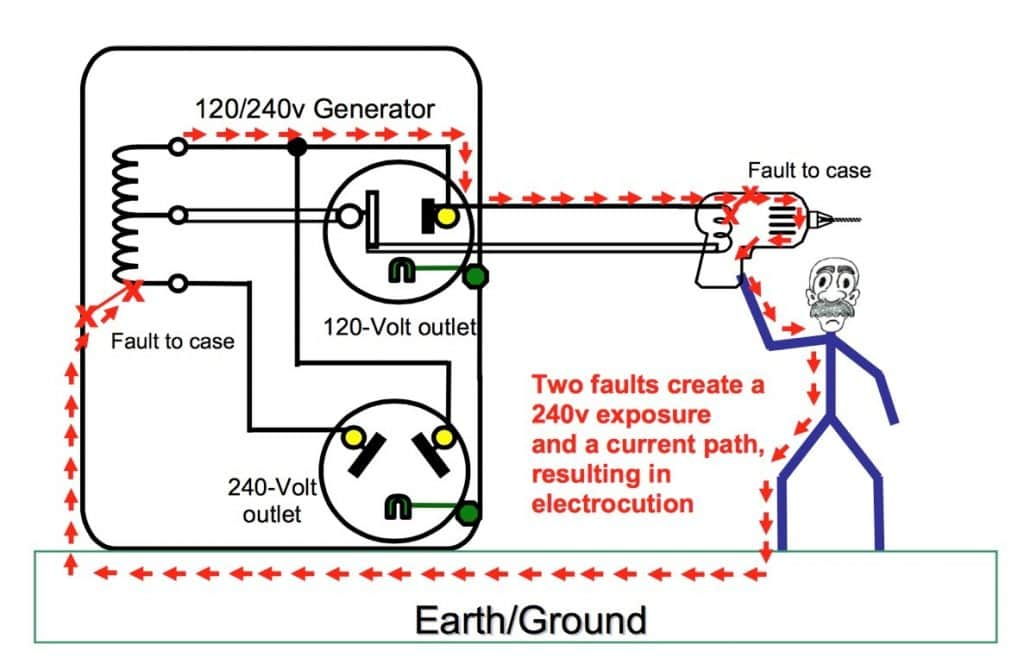
Grounding the generator is importantfor safety. Connect the generator frame to a ground rod driven into the earth. Use a copper grounding wire to ensure proper connection. This helps prevent electric shock and protects the equipment.
The transfer switch connects the generator to the house electrical system. It safely switches power from the utility to the generator during outages. Install it near the main electrical panel. The switch prevents backfeed, protecting utility workers and the generator. Follow local codes and use a licensed electrician if unsure.
Connecting The Transfer Switch
Transfer switchesconnect the generator to your home’s electrical system safely. There are two main types:
- Manual transfer switches:Require you to flip a switch to change power source.
- Automatic transfer switches:Switch power automatically during an outage.
Wiring the transfer switch to your panel is important. Turn off the main power first. Connect wires from the transfer switch to the circuit breaker panel. Make sure each wire matches the correct slot for safety.
Testing the transfer switch is a must. Turn on the generator. Switch the power source using the transfer switch. Check if all connected circuits get power from the generator. This ensures everything works well and safely.
Wiring The Generator
Power cablesconnect the generator to your home’s electrical panel. Use cables rated for the generator’s power output. Ensure cables are long enough but not too loose.
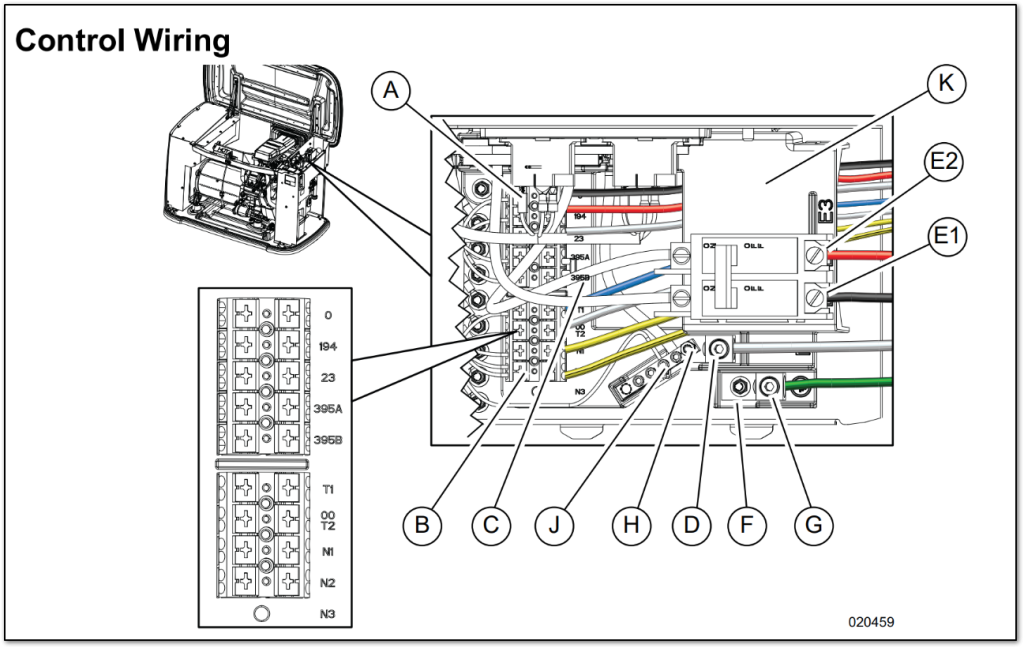
Control wireslink the generator to the transfer switch. These wires tell the generator when to start or stop. Use insulated wires and connect each wire to its correct terminal.
Secure all cable connections tightly. Loose connections can cause sparks or power loss. Use cable clamps or ties to keep cables neat and safe.
Final Checks And Testing
Check all wiring connections carefully. Make sure every wire is tight and secure. Look for any loose ends or exposed wires. Use a screwdriver to tighten terminals if needed. Proper connections prevent shorts and fires.
Start the generator by switching it on. Listen for smooth engine sound. Watch the control panel for error lights. The generator should run without unusual noise or smoke.
Verify power transfer to your home or building. Switch the main power to the generator. Check if lights and appliances work correctly. Use a voltage meter to confirm proper output. Power should flow safely and steadily.
Maintenance Tips For Longevity
Regular routine inspectionskeep your standby generator working well. Check for loose wires, fuel leaks, and worn parts. Tighten all connections and replace damaged parts quickly.
Cleaning and servicinghelp avoid dirt buildup. Clean air filters and remove debris from vents. Change the oil and replace filters as the manual says. This keeps the engine healthy and running smoothly.
Troubleshooting common issuessaves time and money. If the generator won’t start, check the battery and fuel supply first. Listen for strange noises and watch for warning lights. Fix small problems before they become big ones.

Credit: www.reddit.com
Frequently Asked Questions
How Do You Connect A Standby Generator To A House?
To connect a standby generator, install a transfer switch between your main panel and the generator. This safely isolates utility power from generator power. Then, wire the generator to the transfer switch following manufacturer instructions and local electrical codes.
What Tools Are Needed To Wire A Standby Generator?
Essential tools include a voltage tester, wire strippers, screwdrivers, conduit bender, drill, and pliers. You’ll also need appropriate wires and conduit to meet safety standards. Always use tools suitable for electrical work and follow safety protocols.
Can I Wire A Standby Generator Myself?
Wiring a standby generator requires electrical knowledge and permits. While DIY is possible, it’s safer to hire a licensed electrician. Improper wiring risks injury, fire, or code violations. Always follow local regulations and manufacturer guidelines.
Why Is A Transfer Switch Important For Standby Generators?
A transfer switch prevents backfeeding electricity into the grid. It safely switches power source from utility to generator during outages. This protects utility workers and your equipment. It is mandatory for legal and safe standby generator operation.
Conclusion
Wiring a standby generator is a smart way to keep power during outages. Safety matters most; always follow the instructions carefully. Use the right tools and check all connections twice. Test your generator after wiring to ensure it works well.
If unsure, ask a professional electrician for help. A well-wired generator brings peace of mind and comfort to your home. Stay prepared and keep your power steady when you need it most. Simple steps lead to safe, reliable generator wiring every time.