Imagine the lights flickering out during a storm, leaving you in the dark with no power to run essential appliances. It’s a scenario no one wants to face.
But what if there was a way to seamlessly switch to a backup power source without a hassle? That’s where a generator transfer switch comes into play. You’re here because you want to ensure your home or business never misses a beat when the electricity fails.
Understanding how a generator transfer switch works can be your key to maintaining control and peace of mind during unexpected power outages. By the time you finish reading, you’ll not only grasp the mechanics but also feel confident in managing your energy needs efficiently. Ready to empower yourself with this essential knowledge? Let’s dive in.
Generator Transfer Switch Basics
A generator transfer switch is vital for home safety. It ensures that power switches safely from the grid to the generator. During a power outage, the switch helps keep lights on. The generator starts automatically when power goes out. The switch prevents back-feeding, protecting utility workers. It also safeguards your home’s electrical system. This is important to avoid fire hazards. The transfer switch makes using a generator simple and secure.
| Type | Description |
|---|---|
| Manual | You operate this switch by hand. It requires more effort during power loss. |
| Automatic | This switch changes power automatically. It’s easy and fast for homes. |
| Portable | Used with portable generators. It’s a flexible option for temporary needs. |
Components Of A Transfer Switch
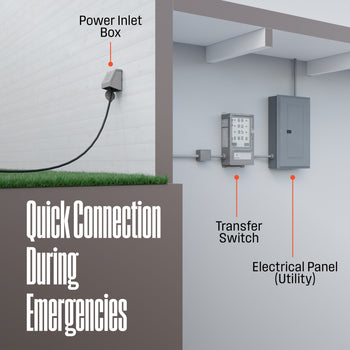
A transfer switch has several key parts. The main componentsinclude the switch itself, circuit breakers, and control panels. The switch connects to the main power line and the generator. Circuit breakers help manage electricity flow and prevent overloads. Control panels allow users to manage and monitor the switch’s operations. These components work together to ensure a smooth power transfer. Proper installation is crucial for safety.
Safety is very important in transfer switches. Built-in safety featuresprotect users and devices. One key feature is the interlock system. It prevents the generator and main power from running together. This avoids electrical hazards. Another safety feature is the automatic shutdown. It activates if any fault is detected. Safety lights and alarms alert users to issues. These features ensure safe power transitions.
Installation Process
Installing a generator transfer switch involves connecting the switch to both the generator and the main power source. The switch automatically transfers power during outages, ensuring a seamless transition without manual intervention. Proper installation ensures safe operation and protects electrical systems from overloads.
Professional Installation
Professional installation ensures safety and efficiency. Experts know the right steps. They handle wires and connections carefully. A trained technician checks everything. This prevents electric shocks and fires. Hiring a professional saves time. It gives peace of mind.
Diy Considerations
DIY installation can be risky. Safety is the top concern. Follow instructions closely. Use proper tools and gear. Check local codes before starting. Mistakes can be dangerous. Seek help if unsure. Make safety your priority.
Operational Mechanism
Generators need a transfer switch to work safely. An automatic transfer switchchanges power without you doing anything. It knows when the main power fails and turns on the generator. A manual transfer switchneeds you to switch it on. You decide when to use the generator. Both switches protect your home from backfeeding. Backfeeding can harm the electric grid.
The transfer switch connects to your home’s power lines. It acts like a traffic officerfor electricity. During an outage, it redirects power from the generator. It stops electricity from flowing back to the grid. This keeps workers safe. The switch has two main positions. One position uses the grid power. The other position uses generator power. The switch changes positions during power failures.
Benefits Of Using A Transfer Switch
Using a generator transfer switch offers seamless power transition during outages. It automatically switches to backup power, ensuring continuous electricity without manual intervention. This enhances safety and convenience, making it a vital addition to homes and businesses relying on generators.
Enhanced Safety
Transfer switcheskeep you safe when using generators. They prevent backfeeding, which can harm electricians working on power lines. This keeps everyone protected from electrical shocks. The switch separates power from the generator and the grid. This separation is important for safety. Your home appliances stay safe too. No overloads or sparks. It’s a smart way to handle electricity safely.
Convenience And Reliability
A transfer switch makes using a generator easy. You just flip a switch to change power sources. No need to run extension cords everywhere. It connects your generator to your home’s wiring. This means all your lights and devices can work. You don’t have to worry about tripping over cords. It’s reliable and keeps power steady. So, no more sudden blackouts. Enjoy peace of mind during power outages.

Credit: fwpower.co.uk
Common Challenges And Solutions
Understanding how a generator transfer switch works can be tricky. It automatically shifts power from the grid to the generator during outages. Proper installation and maintenance ensure seamless transitions and reliable backup power.
Troubleshooting Tips
Generators can stop working. Check for loose wires first. A tight connection can fix the problem. If the generator still doesn’t work, check the fuel. Make sure there’s enough fuel in the tank. A generator needs fuel to run. If the problem continues, call an expert. They can help find and fix the issue.
Maintenance Practices
Regular care keeps the generator running well. Check the oil level often. Generators need oil to work smoothly. Clean the air filter to keep dust away. Dust can block the engine. Also, run the generator for a few minutes each month. This keeps the engine parts moving. Always have spare parts ready. This helps fix problems quickly.
Choosing The Right Transfer Switch
Choosing the right transfer switch is important for safety. It ensures smooth power flow. Consider the power needsof your home or business. Make sure the switch can handle the total load. Check the switch type. Manual switches need someone to flip them. Automatic switches work on their own. Safety features are important too. Look for overload protection. This keeps your home safe from electrical fires.
Ensure the switch is compatiblewith your generator. Check the generator’s power output. It must match the switch’s capacity. This ensures safe operation. Look at the connection type. Some switches need specific plugs or wires. Read the generator manual carefully. It will guide you on what works best. Compatibility is key for effective power transfer.
Credit: www.powerequipmentforum.com
Credit: www.electriciantalk.com
Frequently Asked Questions
How Does The Generator Transfer Switch Work?
A generator transfer switch shifts the power source from the utility to the generator during outages. It ensures seamless power supply by automatically or manually switching circuits. This prevents backfeeding and protects utility workers. The switch simplifies safe transition, allowing critical appliances to remain powered.
Do You Have To Turn Off The Main Breaker When Using A Transfer Switch?
Yes, turn off the main breaker before using a transfer switch. This prevents power back-feeding to the grid, ensuring safety. Always follow the manufacturer’s instructions and consult a professional if unsure. Proper usage protects both your home and utility workers from potential hazards.
Is It Illegal To Run A Generator Without A Transfer Switch?
Running a generator without a transfer switch isn’t illegal, but it’s unsafe and against electrical codes. Using a transfer switch ensures safe power transfer, preventing backfeed and potential electrocution. Always consult local regulations and a professional electrician for safe installation practices.
Protect yourself and your appliances with proper generator setup.
Is A Generator Transfer Switch Worth It?
A generator transfer switch is worth it for seamless power transition during outages. It enhances safety and convenience, preventing electrical hazards. Automatically switching power sources reduces manual intervention. Investing in a transfer switch ensures reliable backup power, protecting your home and appliances.
It’s a smart, cost-effective choice for uninterrupted electricity.
Conclusion
Understanding generator transfer switches is important for safe power use. They automatically switch power sources during outages. Simple design, but critical in emergencies. They offer seamless transitions between grid and generator power. This ensures your home remains powered. No complicated setups needed.
Just install and forget. Reliability and safety are key. Protecting appliances from overloads. So, next time the lights flicker, rest easy. Your transfer switch has you covered. Enjoy peace of mind knowing your power solutions are secure. Keep your home running smoothly and safely with this essential tool.