
Imagine your lights flickering off during a storm, your fridge going silent, and your home plunging into darkness. Panic sets in, and you start worrying about spoiled food and lost connectivity.
What if you had a reliable backup plan? Enter the home standby generator—a guardian that kicks in automatically, ensuring your home remains a haven of warmth and light. Curious about how this marvel operates? You’re in the right place. You’ll discover the magic behind how a home standby generator works, and why it might just be the best investment for your peace of mind.
Stay with us as we unveil the secrets to uninterrupted power and how it can transform your experience during an outage.
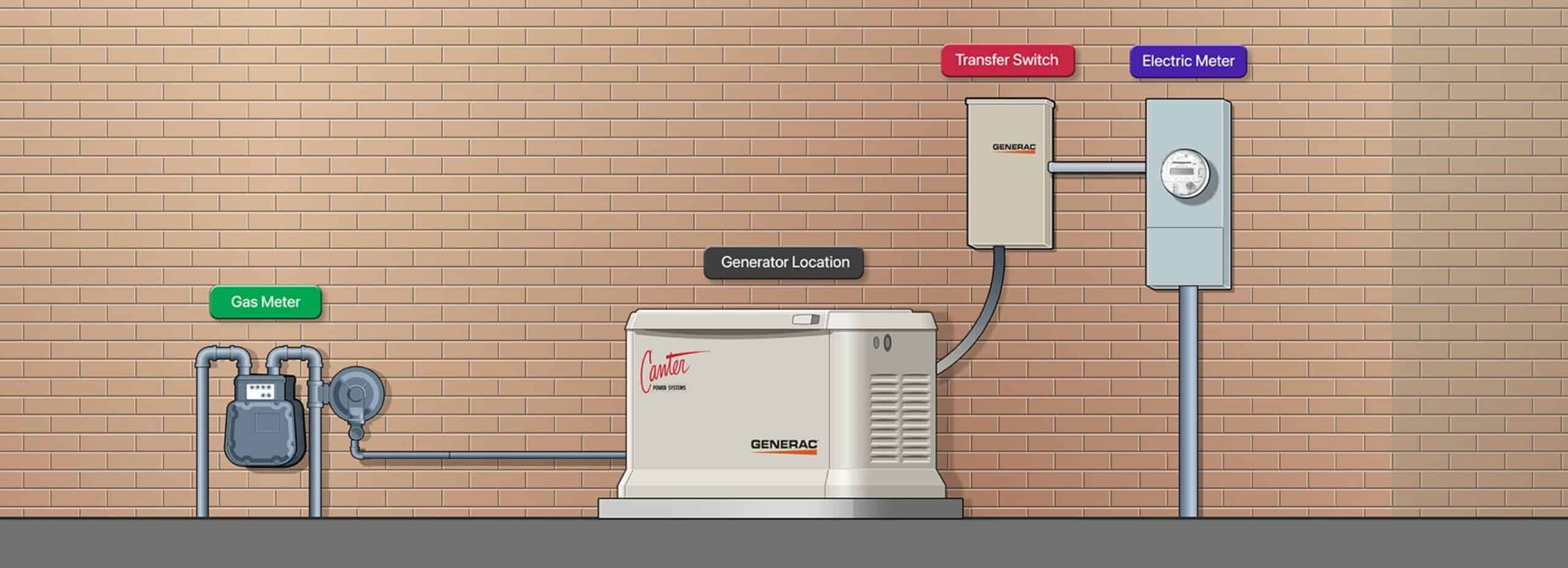
Credit: canterpowersystems.com
Basic Components
The engine and alternatorwork together to create electricity. The engine runs on fuel and powers the alternator. The alternator then changes this power into electricity for your home.
The automatic transfer switchsenses power loss. It quickly switches your home’s power to the generator. This switch also moves power back to the main grid when it returns.
The fuel supply systemstores and delivers fuel. It can use natural gas, propane, or diesel. This system keeps the engine running during an outage.
The control panelmanages the generator’s functions. It starts and stops the engine automatically. It also shows alerts and status updates for easy monitoring.
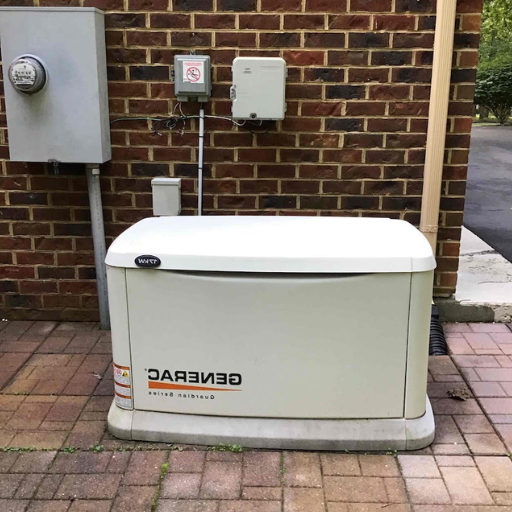
Credit: shgeneratorset.com
Power Activation Process
Detecting power outageis the first step. The generator has a sensor that watches the electrical flow. If the power stops, the sensor sends a signal to the generator.
Starting the generatorhappens automatically after the signal. The engine begins to run and produce electricity in a few seconds.
Switching the power sourceis done by the transfer switch. It changes the home’s connection from the utility power to the generator power. This switch keeps the home safe and prevents backflow to the grid.
Restoring utility poweris also monitored. When the main power comes back, the system switches the home back to the utility power. The generator then shuts down and waits for the next outage.
Fuel Types And Efficiency
Natural gas generatorsrun on the gas supplied through pipelines. They are very clean and quiet. They need less maintenance and can run for a long time without refueling.
Propane generatorsuse liquid propane stored in tanks. They burn cleaner than diesel and last longer than gasoline. Propane can be stored safely for a long time.
Diesel generatorsare powerful and good for heavy use. Diesel fuel is easy to find and stores well but can be noisy and produce more emissions.
| Fuel Type | Efficiency | Fuel Consumption Rate | Storage |
|---|---|---|---|
| Natural Gas | High | Low to Medium | Continuous supply via pipeline |
| Propane | Medium | Medium | Tanks, long shelf life |
| Diesel | High | High | Stored in tanks, needs care |
Credit: columbusenergies.com
Installation And Maintenance
Site preparation is key for a safe and efficient generator setup. Clear the area of debris and plants. Ensure the ground is level and firm. This helps prevent damage and ensures proper airflow.
Professional installation guarantees the generator works correctly. Experts handle electrical connections and fuel lines. They follow local codes and safety standards. This reduces risks and improves system reliability.
Routine maintenance keeps the generator ready to work. Check oil and coolant levels regularly. Replace air and fuel filters as needed. Test the battery and run the generator monthly. This prevents breakdowns and extends life.
Troubleshooting common issues is simpler with basic knowledge. Listen for unusual sounds during operation. Check for fuel leaks or clogged filters. Reset the circuit breaker if power stops. Contact a professional for complex problems.
Safety Features
Automatic shutoff mechanismsstop the generator if it detects a problem. This helps prevent damage and keeps people safe.
Carbon monoxide detectorsare vital. They sense dangerous gas and turn off the generator quickly to avoid poisoning.
Overload protectionstops the generator from running too hard. It avoids overheating and electrical fires.
Grounding requirementsconnect the generator to the earth. This protects from electric shocks and keeps the system stable.
Benefits Of Home Standby Generators
A home standby generator offers a constant power supplyduring outages. It starts automatically within seconds of a blackout. This keeps your home runningsmoothly without interruption.
It also protects your appliancesby providing steady power. Sudden power loss can harm electronics. The generator prevents this by giving a stable energy flow.
Having a standby generator can increase your property value. Buyers see it as a useful and reliable feature. It makes your home more attractive in the market.
Most importantly, it gives you peace of mind. You won’t worry about power cuts during storms or emergencies. Your family stays safe and comfortable no matter what.
Frequently Asked Questions
What Triggers A Home Standby Generator To Start?
A home standby generator starts automatically during a power outage. It senses the loss of utility power and activates within seconds to provide electricity. This seamless process ensures your home stays powered without manual intervention or delay.
How Is A Home Standby Generator Powered?
Most home standby generators run on natural gas or propane. These fuels provide a reliable, continuous energy source. They connect directly to your home’s fuel supply, ensuring the generator can operate for extended periods during outages.
Can A Home Standby Generator Power An Entire House?
Yes, a properly sized home standby generator can power your entire home. It supplies electricity to essential and non-essential circuits based on your needs. Choosing the right size depends on your home’s wattage requirements.
How Often Should A Home Standby Generator Be Tested?
It’s recommended to test your home standby generator monthly. Regular testing ensures the system is functional and ready during an outage. Many models have automatic self-test features to simplify this process.
Conclusion
A home standby generator starts automatically during power outages. It keeps your lights and appliances running smoothly. The generator uses fuel like gas or propane to create electricity. It connects directly to your home’s electrical system for easy power supply.
Regular maintenance helps the generator work well for many years. Choosing the right size is important for your needs. Understanding how it works gives you peace of mind. Power outages become less stressful with a standby generator. It’s a smart way to protect your home and family.