Have you ever wondered what keeps your lights on during a power outage or how you can run your tools at a campsite without plugging into the grid? That’s where a portable gas generator comes in.
But how exactly does this handy machine work? Understanding how a portable gas generator operates can help you use it safely and get the most out of it when you need power the most. Keep reading, and you’ll discover the simple steps behind the power it provides—so you’ll feel confident the next time you fire one up.
Basics Of Portable Gas Generators
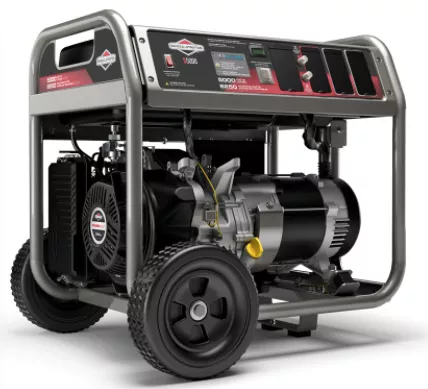
A portable gas generator has several key componentsthat work together. The engineburns fuel to create mechanical energy. This energy turns the alternator, which produces electricity. A fuel tankstores the gas needed to run the engine. The control panellets users turn the generator on or off and monitor its output. A cooling systemhelps prevent the engine from overheating.
Different fuel typescan power portable gas generators. The most common fuels are gasolineand propane. Gasoline is easy to find but can be less stable for storage. Propane burns cleaner and lasts longer in storage tanks. Some generators can use both fuels, offering more flexibility.
| Power Output | Use Case |
|---|---|
| 1000-2000 watts | Small devices, phones, laptops |
| 2000-4000 watts | Home appliances, tools |
| 4000+ watts | Heavy equipment, multiple devices |
Starting The Generator
The ignition processstarts by turning the key or pulling the cord. This action powers the spark plug, which creates a spark. The spark lights the fuel-air mix inside the engine’s cylinder. This causes the engine to start running.
The carburetorplays a key role. It mixes the right amounts of fueland air. This mix is sent to the engine for burning. Without a proper mix, the engine won’t start or run well.
- The carburetor adjusts fuel flow based on engine speed.
- It ensures clean burning and smooth operation.
- It helps the engine start quickly and run efficiently.
Power Generation Process
The engineof a portable gas generator runs on gasoline or propane. It burns fuel to create mechanical energy. This energy spins the alternator, which is key to power production.
The alternatorhas copper coils and magnets. When the engine spins the alternator, it makes electricity. This electric current is what powers your devices.
Voltage regulationkeeps the power stable. It stops the voltage from getting too high or too low. This protects your electronics from damage.
Safety Features
Overload protectionstops the generator if too much power is drawn. This prevents damage to the machine and connected devices. It helps keep everything safe during use.
Automatic shutoffturns the generator off if oil levels get too low or if the engine overheats. This feature avoids serious damage and keeps the generator working longer.
Good ventilationis needed to avoid dangerous gas buildup. The generator should always be used outside or in a well-ventilated space. Never use it indoors or in closed areas.
Maintenance Tips
Fuel managementis key to keep your generator running well. Use fresh fuel and avoid mixing old and new gas. Drain fuel before storing the generator for a long time. This prevents clogs and damage in the fuel system.
Regular inspectionshelp spot problems early. Check oil, air filter, and spark plug often. Look for leaks or loose parts. Tighten any loose screws or bolts. Clean dirt and debris from the generator’s exterior to ensure good airflow.
Storage guidelinesmake your generator last longer. Store in a dry, cool place away from direct sunlight. Keep it covered but allow air to flow. Disconnect the battery if the generator has one. Run the generator every few months to keep parts moving smoothly.

Credit: www.angi.com
Common Issues And Fixes
Starting problemsoften arise from a dead battery or old fuel. Check the fuel level and use fresh gasoline. Clean the spark plug and ensure it is tight. A clogged air filter can stop the engine from starting; replace or clean it regularly.
Power fluctuationshappen due to loose connections or overload. Tighten all wires and plugs. Avoid running too many devices at once. This prevents the generator from losing power or shutting down.
Engine troubleshootingrequires checking the oil level and quality. Low or dirty oil can cause the engine to stop. Listen for unusual sounds, which might mean a worn part. Regular maintenance helps keep the engine healthy.
Choosing The Right Generator
Assessing power needshelps pick the right generator size. List the devices you want to run. Check their wattagerequirements. Add them up to get total power needed.
Portability matters for easy transport and storage. Look at weightand size. Smaller units fit in cars and tight spaces. Bigger ones may offer more power but are harder to carry.
Budget sets limits on the type and features. Basic models cost less but may have fewer options. Higher-priced models might last longer and run quieter. Balance cost with what you really need.
| Factor | Considerations |
|---|---|
| Power Needs | Sum of device wattages, surge vs running watts |
| Portability | Weight, size, handle or wheels |
| Budget | Price, features, fuel efficiency |
Credit: woodstockpower.com
Credit: www.premium-electric.ca
Frequently Asked Questions
How Does A Portable Gas Generator Produce Electricity?
A portable gas generator burns gasoline to power an engine. This engine turns a rotor inside an alternator, creating electricity. The electricity then flows through outlets to power devices and appliances effectively and efficiently.
What Components Make A Portable Gas Generator Work?
Key components include the engine, fuel tank, alternator, and control panel. The engine burns fuel, the alternator produces electricity, and the control panel manages output and safety features.
Can Portable Gas Generators Power Household Appliances?
Yes, portable gas generators can power essential household appliances during outages. Their wattage capacity determines how many and which appliances can run simultaneously.
How Do I Safely Operate A Portable Gas Generator?
Operate generators outdoors in well-ventilated areas to avoid carbon monoxide. Follow manufacturer instructions, keep dry, and never overload the generator to ensure safety.
Conclusion
Understanding portable gas generators is important for safe usage. These machines convert fuel into electricity, powering devices during outages. Portable generators are handy during emergencies or outdoor activities. Always follow safety measures when operating one. Choose the right size and type for your needs.
This ensures optimal performance and safety. Remember to maintain your generator regularly. Proper care extends its lifespan and efficiency. With these insights, using a portable gas generator becomes simpler. You can now enjoy reliable power anytime, anywhere. Stay prepared and informed for any power situation.
Your generator is a valuable tool in times of need.