
Have you ever wondered what happens when the power goes out and suddenly your standby generator kicks in? It’s like magic, isn’t it?
But there’s no wizardry involved—just the clever mechanics of a transfer switch. Understanding how a standby generator transfer switch works can not only satisfy your curiosity but also empower you to make informed decisions about your home’s backup power system.
Imagine the comfort of knowing exactly how your home stays powered during a blackout. Curious about the small device making such a big difference? Let’s dive in and uncover the secrets behind this essential piece of equipment.
Role Of Transfer Switch
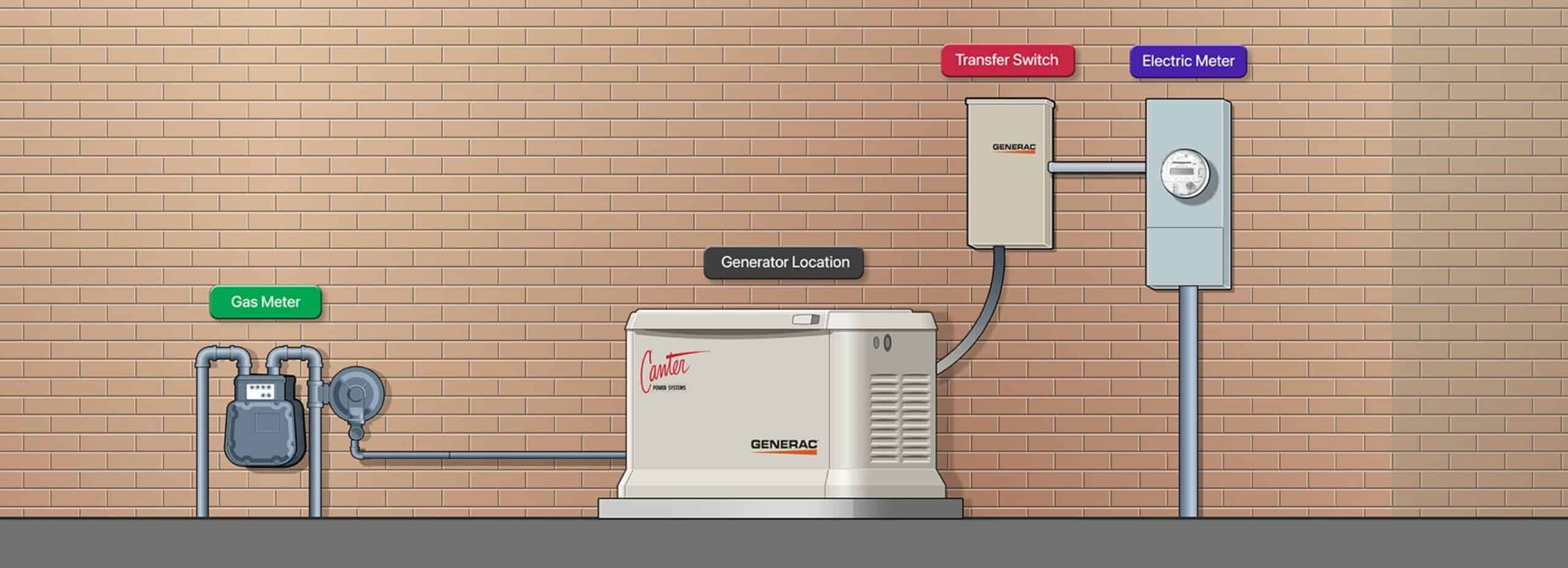
Transfer switchesconnect the standby generator to your home’s electrical system. They prevent power from the generator and the main grid from mixing. This keeps the system safe and stops damage to appliances.
The purposeof transfer switches is to control power flow. They switch the power source from utility to generator during an outage. This ensures your home gets power without interruptions.
| Type | Description | Operation |
|---|---|---|
| Manual Transfer Switch | Requires user to switch power source by hand. | Simple, but needs someone to be present. |
| Automatic Transfer Switch (ATS) | Detects power loss and switches automatically. | Convenient and fast, works without human help. |
Credit: www.electriciantalk.com
Types Of Transfer Switches
Open Transition Switcheswork by quickly switching power sources. They momentarily disconnect the load from both the main power and the generator. This brief break causes a small interruption in power but ensures safety by preventing backfeed.
Closed Transition Switchestransfer power without any interruption. They connect the generator and utility power simultaneously for a short time. This overlap allows a smooth switch and keeps devices running without blinking or stopping.
Soft Load Transfer Switchesmanage power changes gently. They gradually reduce the load on one source before switching to another. This process protects sensitive equipment and prevents sudden power shocks.
Components Of A Transfer Switch
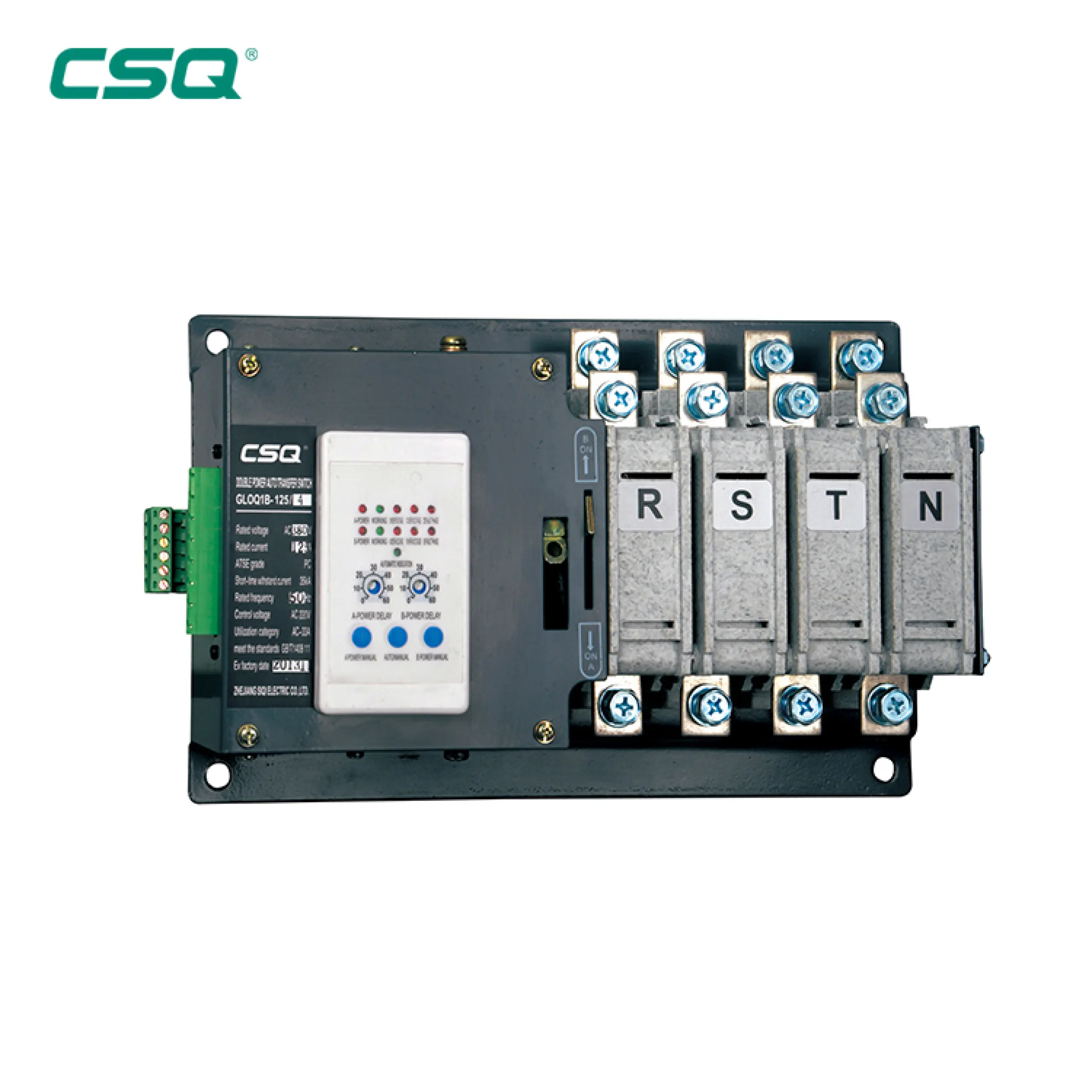
The switch mechanismmoves power from the main source to the generator. It ensures only one power source is active at a time. This prevents damage and keeps your home safe.
The control panelmanages the switch operation. It monitors power and signals the switch to change sources automatically. It also shows status and alerts for any issues.
Safety featuresprotect both your home and the generator. They stop power backflow and prevent overloads. Many switches have built-in circuit breakers for extra protection.
Operation Process
The transfer switch constantly monitorsthe utility power supply. It detects any power failurequickly and signals the generator to start. This helps keep power running without delay.
Once the generator is ready, the switch shifts the electrical loadfrom the utility to the generator. This prevents backfeeding, which can be dangerous for utility workers. The switch ensures a safe and smooth transferof power sources.
After the utility power returns and stabilizes, the transfer switch shifts the load back. It then turns off the generatorand goes back to monitoring mode. This process keeps the home or business powered safely and efficiently.
Installation And Setup
Choosing the right locationfor the transfer switch is key. It should be near the main electrical panel. The area must be dry and easy to access for maintenance. Avoid places with extreme temperatures or moisture.
Wiringmust follow local electrical codes. Use wires rated for generator power. Connect the switch between the main panel and the generator. Proper grounding is essential for safety.
Testing the transfer switch ensures it works well. Turn off the main power, start the generator, and switch power sources. Check if the switch moves power smoothly without interruption. Repeat testing regularly to avoid failures.
Common Issues And Troubleshooting
Switch failure symptomsinclude the generator not starting or staying off. You might hear strange noises or notice the switch feels hot. Sometimes, the switch does not transfer power properly. This can cause flickering lights or no power at all. A faulty switch can also cause the generator to run too long or not at all.
Electrical faultscan cause transfer switch problems. Loose wires or burnt connections are common issues. Circuit breakers might trip often. Faulty sensors can send wrong signals, making the switch act weird. These faults can stop the generator from working when needed.
- Check wires for damage or looseness regularly.
- Clean the switch to avoid dust and dirt build-up.
- Test the switch periodically to ensure proper function.
- Replace worn parts before they fail completely.
- Keep the area around the switch dry and cool.
Benefits Of Using A Transfer Switch
Transfer switchesimprove safetyby preventing backfeed. This stops electricity from flowing to power lines, protecting workers and equipment. They also reduce fire riskscaused by faulty wiring.
Seamless power transitionmeans your home or business keeps running without interruption. The switch quickly moves power from the main source to the generator. This avoids damage to appliances and keeps lights on during outages.
Using a transfer switch helps meet local and national electrical codes. This ensures legal complianceand helps pass inspections. It also supports insurance requirements for generator use.
Credit: canterpowersystems.com
Credit: www.csqelectric.com
Frequently Asked Questions
What Is A Standby Generator Transfer Switch?
A standby generator transfer switch safely switches power from the main utility to the generator. It prevents backfeeding and ensures continuous electricity during outages. This switch automatically detects power loss and activates the generator without manual intervention, protecting both your home and utility workers.
How Does A Transfer Switch Improve Generator Safety?
The transfer switch isolates the generator’s power from the utility lines. This prevents dangerous backfeed that can harm utility workers or damage electrical systems. It ensures safe and reliable power transfer, protecting your home’s wiring and complying with electrical codes.
Can A Transfer Switch Operate Automatically?
Yes, most standby generator transfer switches operate automatically. They detect power outages and instantly switch the power source to the generator. When utility power returns, the switch switches back, providing seamless backup power without any manual effort.
Why Is A Transfer Switch Necessary For Standby Generators?
A transfer switch is essential because it enables safe and legal connection between the generator and home wiring. It prevents generator power from feeding into utility lines, avoiding hazards and fines. It also ensures smooth power transfer, maintaining household appliances’ protection.
Conclusion
A standby generator transfer switch keeps your power safe and steady. It quickly moves electricity from the main source to the generator. This switch stops any backflow that might cause damage. You get power without delay during outages. Understanding how it works helps you choose the right system.
It also helps keep your home running smoothly. Simple and reliable—this switch is key to backup power. Trust it to protect your appliances and family. Power interruptions won’t catch you off guard anymore.