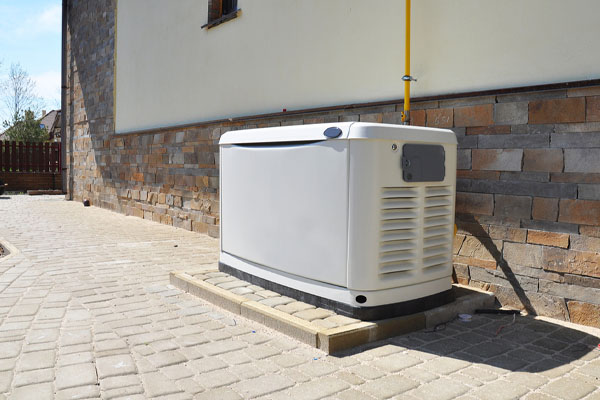
Imagine the power goes out during a storm. Your lights flicker off, the refrigerator stops humming, and your home falls into silence.
Suddenly, everything you rely on daily is at risk. This is where a standby generator becomes your hero. You might have seen these machines quietly waiting in homes or businesses, but how do they work? Why do some people swear by them, and how can they save you from inconvenience?
This article will peel back the layers of standby generators, demystifying their operation and revealing why they might be essential for your peace of mind. Discover how this reliable backup can keep your home running smoothly when the unexpected happens. Stay with us as we delve into the world of standby generators and empower you with knowledge that could transform your emergency preparedness.
Standby Generator Basics
A standby generatoris a backup power source. It keeps homes and businesses running during power outages. These generators are connected to the electrical system. They start automatically when the power goes out. This ensures a seamless power supply.
Standby generators run on fuel like natural gasor propane. They have an engine that creates electricity. This electricity powers lights, appliances, and more. The generator’s size depends on the power needs. Bigger homes need larger generators.
There is also an automatic transfer switch. It detects power loss and starts the generator. Once the main power returns, it switches back. This process happens quickly, often within seconds. Standby generators are essential for emergency preparedness. They provide peace of mind during storms and outages.
Components Of A Standby Generator
Standby generators consist of an engine, alternator, and control panel. They automatically supply power during outages. The engine drives the alternator to generate electricity, ensuring seamless power transition.
Engine
The engineis the heart of the generator. It burns fuel to create energy. This energy turns into electricity. Common fuels are diesel, propane, and natural gas. The engine size depends on electricity needs. A larger engine makes more power.
Alternator
The alternatorturns energy into electricity. It contains a rotor and a stator. The rotor spins inside the stator. This movement creates electricity. Without the alternator, no electricity is made.
Transfer Switch
The transfer switchchanges power sources. It moves power from the main grid to the generator. This switch works automatically. It ensures electricity flows during a power cut. A safe transfer prevents damage to devices.
Control Panel
The control panelmanages the generator. It shows important information. You can see fuel levels and power output. It also has start and stop buttons. The panel helps in monitoring the generator’s health.
Power Generation Process
A standby generatorstarts working when the main power fails. It has a sensor that detects the power outage. This sensor sends a signal to the generator. The generator then turns on automatically.
The generator has an engineand an alternator. The engine burns fuel to produce energy. The alternator converts this energy into electricity. This electricity flows into your home’s power system. It keeps your lights and appliances running.
Standby generators use different fuel types. Common fuels are diesel, natural gas, or propane. The fuel type can affect how the generator works.
Standby generators provide backup powerquickly. They ensure your home stays powered during outages. These generators are very useful during storms and emergencies.

Credit: www.linkedin.com
Automatic Transfer Mechanism
The automatic transfer mechanism is the brain of a generator. It detects power loss quickly. Once it senses an outage, it signals the generator to start. This process happens in seconds. Power is restored without you doing anything.
The transfer switch connects your home to the generator. It disconnects your home from the main power line. This prevents dangerous back-feeding. Back-feeding can harm utility workers and damage appliances.
When power returns, the switch acts again. It reconnects your home to the main power. The generator turns off automatically. The whole process ensures safety and convenience.
Fuel Types And Efficiency
Standby generators use diesel, natural gas, or propane for power. These fuels determine the generator’s efficiency and performance. Diesel offers high efficiency, while natural gas is cleaner and more available.
Diesel Generators
Diesel generators are strong and can work for a long time. They use diesel fuel. This fuel is easy to find. Diesel engines are known for their durability. They are very efficient. The generators need regular maintenance. Diesel fuel is not environmentally friendly. They are good for heavy duty work.
Natural Gas Generators
Natural gas generators are clean and quiet. They use natural gas. This fuel is cleaner than diesel. These generators are efficient. They need less maintenance. Natural gas is safe to use. It is good for home use. Natural gas is easy to get from pipelines.
Propane Generators
Propane generators are portable and easy to use. They use propane gas. Propane is clean and efficient. It comes in tanks. These generators are good for emergency use. Propane generators need less maintenance. Propane is safe and environmentally friendly.

Credit: www.premium-electric.ca
Maintenance And Care
Generators need regular testing to ensure they work properly. This involves running the generator and checking its parts. Fuel levels should be checked and refilled if necessary. Testing also includes checking battery condition and connections. Regular testing helps catch problems early.
Servicing should be done by a professional. They will inspect the generator’s engine and electrical systems. Oil and filters might need changing. Wiring should be checked for damage. Scheduled servicing keeps the generator ready when needed.
- Check if the fuel tank is full.
- Inspect the battery for charge.
- Look at wiring for loose connections.
- Ensure air filters are clean.
Troubleshooting helps solve small issues quickly. It prevents bigger problems later.
Benefits Of Standby Generators
Standby generatorskeep power on when the main supply fails. They start automatically when the power goes out. This ensures that essential devices continue to work. Families stay comfortable and safe during outages. Businesses can avoid losing important data and time. Generators provide continuous power without manual effort.
Generators offer increased safetyby keeping lights and alarms active. They ensure that security systems stay operational. This helps protect homes and businesses from intruders. Medical devices at home remain powered, safeguarding health. Standby generators prevent panic and accidents in the dark.
Using a standby generator can save money over time. Power outages can cause food spoilage and equipment damage. Avoiding these issues reduces unexpected expenses. Generators help businesses avoid lost revenue. They ensure that productivity continues without interruptions. Investing in a generator can be a wise financial choice.
Choosing The Right Generator
Generators come in different sizes. Bigger homes need bigger generators. Power needs decide the size. Count your appliances and devices. Add their power needs. This gives a total. Choose a generator that matches this. Oversized generators waste fuel. Undersized ones may not work well.
Think about where to put the generator. It needs a safe spot. Keep it away from windows. It should be on a flat surface. Make sure there’s enough space around it. This helps with cooling. Also, check for noise levels. Some generators are louder than others.
Experts can help pick the right generator. They know the best brands. They can handle installation. This makes sure everything is safe. Professionals can also help with maintenance. This keeps the generator running well. Trusting experts can save time and trouble.

Credit: dustinsmechanical.com
Frequently Asked Questions
What Are The Disadvantages Of A Standby Generator?
Standby generators can be expensive to purchase and install. Maintenance and fuel costs add up over time. Noise levels may disturb neighbors. They require regular testing and upkeep. Limited fuel storage can be a concern during long outages.
How Does A Standby Generator Get Power?
A standby generator gets power from an external fuel source like natural gas, propane, or diesel. It automatically detects power outages and starts generating electricity. The transfer switch shifts the electrical load to the generator, ensuring continuous power supply to essential appliances and systems during an outage.
How Many Days Can A Standby Generator Run Continuously?
A standby generator can run continuously for 24 to 72 hours, depending on fuel type and load capacity. Regular maintenance and monitoring are crucial for safe operation. Check manufacturer’s guidelines for specific models to ensure optimal performance and longevity. Always ensure proper ventilation to prevent overheating and damage.
How Does A Generac Generator Work When The Power Goes Out?
A Generac generator automatically detects power outages. It starts within seconds, supplying electricity to the home. The transfer switch shifts the electrical load to the generator. Once utility power returns, the system reconnects to the grid and shuts down the generator.
This ensures continuous, reliable power during outages.
Conclusion
A standby generator quietly waits for its moment. When power fails, it springs into action. It provides electricity to keep essential systems running. The generator connects to your home’s power supply. It uses fuel to produce energy. Safety features protect your home during operation.
Regular maintenance ensures reliability. Standby generators are lifesavers during outages. They offer peace of mind and security. Investing in one can be a smart choice. Understand how it works. Appreciate its role in your home. Power failures are no longer a worry.
Your generator has you covered.