
Have you ever experienced a sudden power outage, leaving your home in the dark and your appliances useless? It can be frustrating and inconvenient, especially if it lasts for hours.
This is where a standby generator becomes your best friend. But how does it work? Understanding the inner workings of a standby generator can give you peace of mind and confidence in your home’s preparedness for unexpected power failures. Dive into this article to discover exactly how a standby generator kicks into action, ensuring that your life goes on smoothly, even when the power grid fails.
Get ready to explore the fascinating mechanics that keep your lights on and your appliances humming, no matter what!
Credit: columbusenergies.com
Basics Of Standby Generators
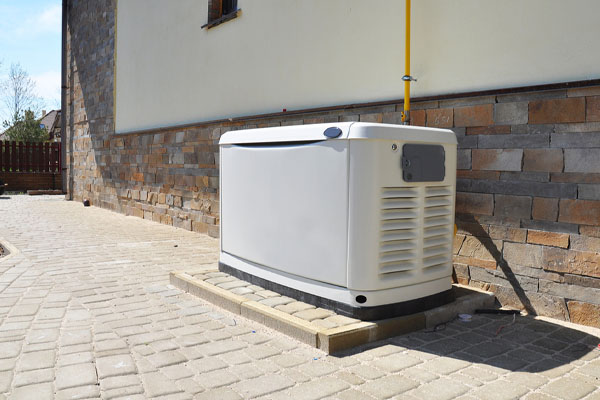
A standby generator is a backup power device. It turns on automatically during power outages. It keeps homes and buildings running without interruption. There are two common types of standby generators:
- Air-cooled generators– smaller, less expensive, best for homes.
- Liquid-cooled generators– larger, quieter, used for big buildings.
Key components work together to make the generator function smoothly:
| Component | Function |
|---|---|
| Engine | Produces mechanical energy to generate electricity. |
| Alternator | Converts mechanical energy into electrical power. |
| Fuel System | Supplies fuel like natural gas or propane. |
| Automatic Transfer Switch | Switches power source from grid to generator. |
| Control Panel | Monitors and controls the generator’s operation. |
Power Detection And Activation
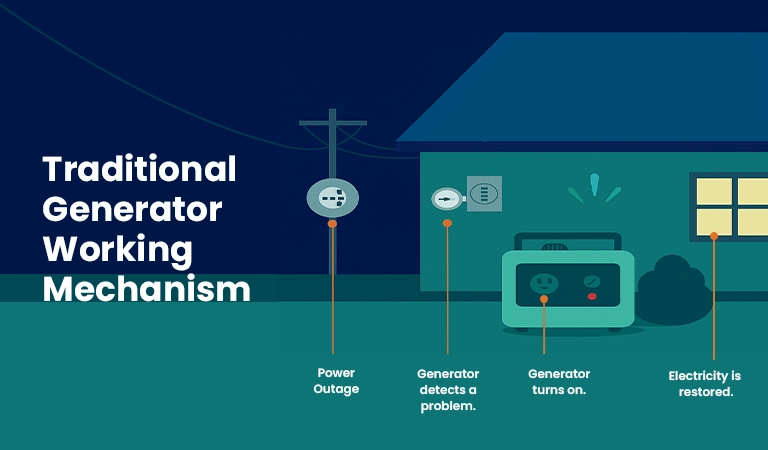
The transfer switchdetects power loss from the main grid. It acts like a bridge between your home and the generator. When power goes out, the switch moves the electricity source to the generator.
The generator senses this change and starts running automatically. It takes only a few seconds to turn on. This quick action keeps your lights and appliances working without much delay.
The transfer switch also stops electricity from going back to the grid. This protects workers fixing the power lines. It ensures safety during the outage.
- Detects power loss instantly
- Switches electricity source to the generator
- Prevents backflow of electricity to the grid
- Triggers generator to start automatically
Fuel Sources And Efficiency
Standby generatorsuse different fuel types. The most common are:
- Natural gas
- Propane
- Diesel
- Gasoline
Each fuel type has different costsand storage needs. Natural gas is often cheaper and cleaner. Diesel is powerful but can be noisy. Propane lasts long in storage. Gasoline is easy to find but less stable.
Fuel consumptiondepends on many factors:
- Generator size
- Load demand
- Engine efficiency
- Running time
Generators use more fuel with higher power needs. Efficient engines save fuel and cut costs. Regular maintenance also helps keep fuel use low.
Starting And Running Process
Engine Ignitionbegins when the generator detects a power outage. The engine uses fuel, like gas or diesel, to start running. A small battery often helps to crank the engine quickly. Once the engine starts, it warms up to run smoothly.
Power Generationhappens as the engine turns a generator rotor. This rotor spins inside a coil to make electricity. The electricity produced matches the house or building power needs.
Load Managementcontrols how much power the generator sends out. It ensures the generator does not work too hard. Some systems can prioritize important appliances first, saving power for key devices.
Safety Features And Maintenance
Standby generators include automatic shutoff features. These stop the generator if it overheats or runs low on oil. This helps to prevent damage and fire risks. A transfer switchensures power flows safely from the generator to your home. It stops electricity from going back into the grid, protecting utility workers.
Routine care keeps generators ready. Check the oil and fuel levels regularly. Change the oil after 20-50 hours of running. Clean the air filter to avoid engine problems. Test the generator monthly by running it for 10-15 minutes. This helps spot issues early.
- Keep the battery charged
- Inspect spark plugs and replace if dirty
- Store fuel in a safe container
- Clear debris around the generator
- Schedule professional service yearly
Benefits Of Standby Generators
Standby generatorsprovide reliable powerduring outages. They start automaticallywithin seconds of a power cut. This means no waitingor manual effort to turn on the generator.
Their automatic operationensures continuous electricityfor homes and businesses. It keeps essential appliancesrunning, such as refrigerators, heaters, and medical devices. This peace of mindis valuable during storms or blackouts.
- Quick start:Powers on without delay
- Seamless switch:Changes from utility to generator power smoothly
- Low maintenance:Runs without frequent checks
- Safe:Designed to protect your home’s electrical system
Installation Considerations
Choosing the right sitefor your standby generator is very important. The spot should be dry, well-ventilated, and away from windows or doors. This helps to keep dangerous fumesoutside your home. The ground must be stableto hold the generator’s weight. Also, check local rules for distancerequirements from buildings or property lines.
Professional installation ensures the generator works safelyand efficiently. Experts handle all electrical and fuel connections. They test the system to confirm it starts automaticallywhen power goes out. Hiring a licensed installer avoids hazardsand code violations. It also protects your warranty and improves generator life.
Credit: solarsme.com

Credit: www.tycorun.com
Frequently Asked Questions
How Does A Standby Generator Detect Power Outages?
A standby generator uses an automatic transfer switch to monitor electricity. When it senses a power outage, it starts the generator within seconds. This ensures seamless power supply without manual intervention, keeping your home or business powered during outages.
What Fuel Types Do Standby Generators Use?
Standby generators commonly run on natural gas, propane, or diesel. Natural gas and propane are popular for their clean burning and convenience. Diesel generators are known for durability and power, often used in larger or commercial setups.
How Long Can A Standby Generator Run Continuously?
Most standby generators can run continuously for 8 to 24 hours, depending on fuel supply and load. Proper maintenance and fuel availability are crucial for extended operation. Some models can be connected to large fuel tanks for longer run times.
Is Professional Installation Necessary For Standby Generators?
Yes, professional installation is highly recommended for safety and compliance. Experts ensure proper connection to electrical systems and fuel sources. This reduces risks and guarantees the generator functions correctly during power outages.
Conclusion
A standby generator keeps your power on during outages. It senses power loss and starts automatically. Fuel runs the generator, creating electricity quickly. This backup power helps protect your home and devices. Regular maintenance ensures the generator works when needed.
Knowing how it works helps you feel prepared. Reliable power brings peace of mind in storms or emergencies. A standby generator offers steady support without manual effort. Simple, effective, and ready to run anytime.