Are you looking for a reliable solution to keep your power running during an outage? When it comes to safeguarding your home, you might be torn between an interlock kit and a transfer switch.
Both options promise to keep your lights on, but which one truly meets your needs? This article will unravel the differences between these two essential devices, helping you make an informed decision that aligns with your lifestyle and budget. If you’ve ever wondered how to maintain your peace of mind during a power failure, you’re in the right place.
Dive in to discover which solution is right for you and ensure your home is always prepared.

Credit: www.mapquest.com
Interlock Kit Basics
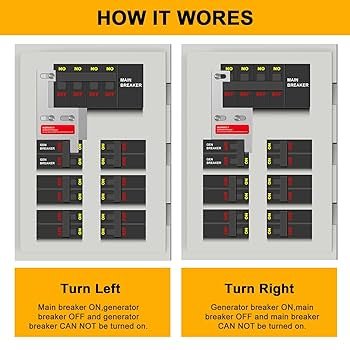
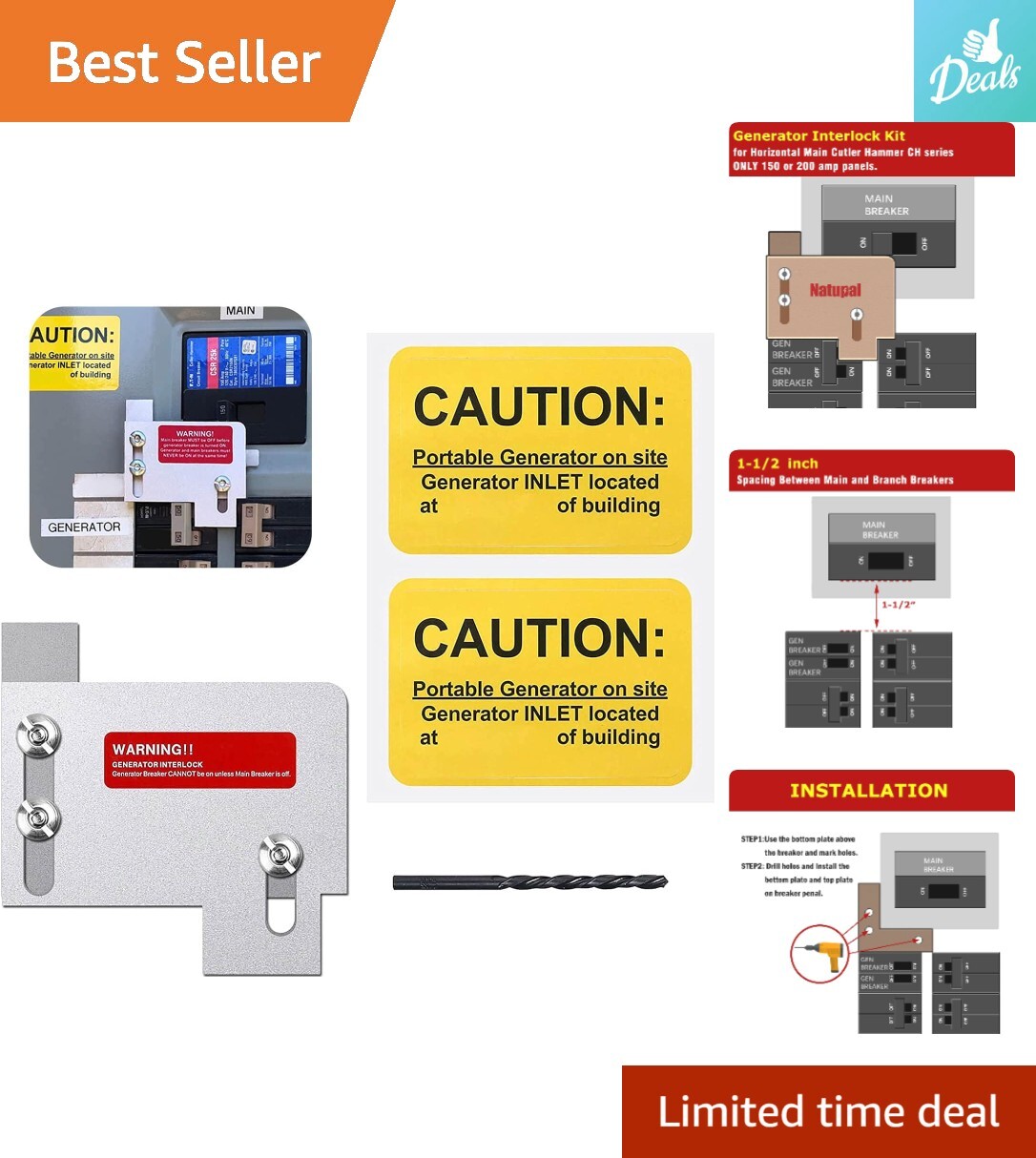
An interlock kitensures safe use of a generator. It connects the generator to the home’s electrical panel. This prevents back-feeding into the grid. It’s a simple device that protects against electrical hazards. It allows control over power usage during outages.
Installation needs basic tools. Follow instructions carefully. First, turn off the main power. Next, attach the kit to the panel. Secure it properly to avoid accidents. Test the setup before use. Safety checks are crucial. Proper installation ensures reliable operation.
- Cost-effectivecompared to transfer switches.
- Easy to install with minimal tools.
- Allows selective power usage.
- Limited to specific panel models.
- Requires manual operation.

Credit: www.amazon.com
Transfer Switch Essentials
Exploring transfer switch essentials, interlock kits offer simplicity and affordability for generator connections. Transfer switches provide seamless automatic power management, making them ideal for frequent outages. Understanding their differences helps choose the right solution for home backup needs.
Types And Functions
Transfer switches come in two main types: manualand automatic. Manual switches require you to switch power sources by hand. Automatic switches change power sources on their own. Both types help in emergencies. They ensure your home has power when the main source fails. Transfer switches connect a generator to the home’s electrical system safely.
Setup Procedure
Installing a transfer switch is complex. A professional electrician should do it. The switch connects to the main circuit breaker. This allows safe power transfer from the generator. It usually involves wiring and setting up circuits. Proper setup ensures home safety. Incorrect setup can cause problems and is dangerous.
Pros And Cons
- Pros:Provides a safe power transfer. Automatic types offer convenience. They keep power stable during outages.
- Cons:Installation is expensive. Manual types need human action.
Safety Considerations
Safety Considerations Choosing between an interlock kit and a transfer switch involves understanding safety aspects. An interlock kit offers a cost-effective solution but requires manual operation, while a transfer switch ensures automatic, seamless power transfer. Each option has distinct safety features that cater to different needs and budgets.
Preventing Backfeeding
Backfeeding can be very dangerous. It happens when electricity flows the wrong way. Interlock kits help stop this. They make sure only one power source is used. This keeps your home safe. Transfer switches also stop backfeeding. They switch power between grid and generator smoothly. Both options are safe if used right.
Compliance With Regulations
Following the rules is very important. Interlock kits must fit your electrical panel. They should be installed by a pro. Transfer switches must follow local codes. They need proper permits and inspections. Always check local rules first. Safety should always come first.
Cost Comparison
Interlock kitsusually cost less than transfer switches. They are a budget-friendly choice. You can find them in many stores. A transfer switchis often more expensive. It requires professional installation. This adds to the cost. The price difference can be significant. Always check your budget first. It’s important to compare these options.
Both options need care over time. An interlock kit may need fewer repairs. It has fewer parts to fix. This makes it cheaper in the long run. A transfer switch is more complex. It might need more maintenance. This can increase costs over time. Consider this when making a choice. Think about future expenses too.
Ease Of Use
An interlock kit is simpler to install than a transfer switch. It requires less wiring and fewer components. Users find interlock kits more budget-friendly and less complex for basic power needs.
User Experience
Interlock kits are simple to use. They have less parts. This means fewer pieces to manage. Transfer switches have more buttons and controls. This may confuse some users. Interlock kits need manual operation. Users must flip switches themselves. Transfer switches can be automatic. This makes them easier for some people.
Operational Efficiency
Interlock kits require manual setup. This can take extra time. Transfer switches are often faster to use. They switch power automatically. This saves effort. Interlock kits are more affordable. They cost less money. Transfer switches are expensive. They offer more features. Interlock kits need more attention from users. Transfer switches need less oversight.
Performance And Reliability
Comparing an interlock kit to a transfer switch highlights differences in reliability and performance. Interlock kits offer a budget-friendly solution, while transfer switches provide seamless power transition. Each option suits different needs, focusing on safety and efficiency.
Power Management
Interlock kitsprovide a basic way to switch power. They allow manual control of circuits. Transfer switchesoffer automatic power transfer. They manage loads better. Both systems have pros and cons. Interlock kits are cost-effective. Transfer switches are more reliable. Choose based on your needs.
System Durability
Durability depends on quality. Interlock kitsare simple and durable. They have fewer parts to break. Transfer switchesare complex but sturdy. They withstand heavy use. Proper maintenance extends their lifespan. Regular checks keep systems safe. Reliable systems are crucial for homes.
Environmental Impact
Comparing an interlock kit to a transfer switch reveals distinct environmental impacts. Interlock kits use less material, reducing waste. Transfer switches offer more reliability, potentially lowering energy usage over time.
Energy Efficiency
Energy efficiency helps reduce power waste. Interlock kits can be more efficient. They allow for better control of energy use. Transfer switches might use more energy than needed. Choosing the right system can save power. Saving power is good for the planet.
Sustainability Factors
Sustainable choices help the environment. Interlock kits can be a greener option. They often use fewer resources. Transfer switches might require more materials. Using fewer materials means less impact on nature. Every choice affects sustainability. It’s important to think about what’s best.
Credit: www.ebay.com
Choosing The Right Option
Choosing between an interlock kitand a transfer switchdepends on your needs. An interlock kit is often more affordable. It allows you to use your home’s existing electrical panel. This kit is suitable for smaller power needs. A transfer switch is more reliable for larger power needs. It provides a seamless switch to generator power. Always consider what appliances you need to power. The size of your generator matters too. Make sure to match your choice with your power requirements.
Experts often suggest considering your budgetfirst. An interlock kit is cheaper but needs manual operation. A transfer switch is more expensive but offers convenience. It is often recommended for homes with frequent power outages. Safety is also a key factor. Transfer switches are generally safer. They reduce risks of back-feeding electricity. Always consult a professional electrician before deciding. They can guide you based on your home’s setup.
Frequently Asked Questions
Which Is Better, An Interlock Kit Or Transfer Switch?
An interlock kit is cost-effective but requires manual operation. A transfer switch offers convenience and automatic switching but is pricier. Choose based on budget and ease of use preferences.
Can I Use An Interlock Instead Of A Transfer Switch?
Yes, you can use an interlock instead of a transfer switch. Interlocks are cost-effective and ensure safety. However, check local codes and regulations before installation. Always consult a professional electrician to ensure proper setup and compliance.
What Is The Main Disadvantage Of Using An Interlock Device Inside A Panel?
The main disadvantage of using an interlock device inside a panel is increased complexity. This can lead to higher maintenance costs and potential operational errors. Ensuring the device functions correctly requires regular checks and skilled personnel, which can add to the overall system expenses.
Are Breaker Interlocks Legal?
Breaker interlocks are legal if they comply with local electrical codes and regulations. Always check with your local authorities. Proper installation is crucial for safety and compliance. Consult a certified electrician to ensure legality and adherence to standards.
Conclusion
Choosing between an interlock kit and a transfer switch is crucial. Both have their strengths and weaknesses. Interlock kits are affordable and easy to install. Transfer switches offer more control and safety. Consider your budget and needs before deciding. Think about installation, safety, and convenience.
Each option suits different scenarios. Homeowners with basic needs might prefer interlock kits. Those needing more power management could lean towards transfer switches. Make the right choice for your home’s power needs. Always consult a professional for advice. Stay safe and well-prepared for power outages.