Imagine a world where you never have to worry about power outages during storms or emergencies. Picture the convenience of harnessing the sun’s energy to keep your home or outdoor spaces powered up, even when the grid lets you down.
This is the promise of an outdoor solar backup system. As you read on, you’ll discover how this innovative solution can seamlessly integrate into your life, providing peace of mind and energy independence. We’ll break down the essentials of how it works, so you can decide if it’s the right fit for your needs.
Are you ready to explore the future of energy security and learn how to make your home more resilient? Let’s dive into the fascinating world of outdoor solar backup systems.

Credit: www.jackery.com
Basics Of Outdoor Solar Backup Systems
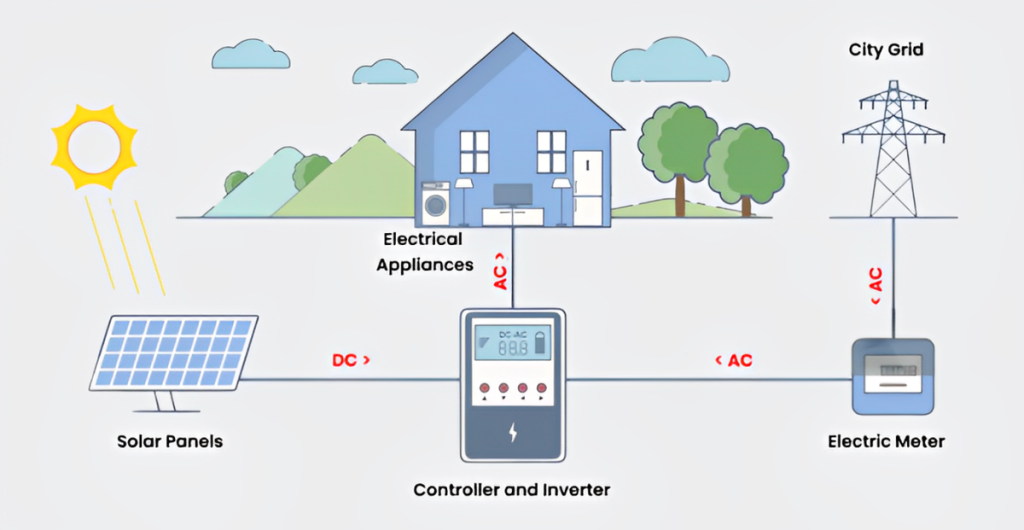
An outdoor solar backup system has several parts. The most important is the solar panels. They capture sunlight and turn it into electricity. Another key part is the inverter. It changes the electricity from the panels into a form that can power your home. Batteriesstore extra power for later use. A charge controllerensures batteries do not overcharge. Each part works together to provide reliable energy.
Energy storage is crucial for solar systems. Batteriesstore electricity for use when sunlight is low. There are different types of batteries. Lithium-ion batteriesare common because they last long. Lead-acid batteriesare cheaper but need more care. Choosing the right battery depends on your needs. Proper storage ensures power is available anytime.
Solar Power Generation
An outdoor solar backup system captures sunlight through solar panels and converts it into electricity. This energy is stored in batteries for use during power outages. It provides a reliable, eco-friendly solution for continuous power supply.
Solar Panels Functionality
Solar panels are like big mirrors. They catch sunlight with special cells. These cells are called photovoltaic cells. They are the heart of the solar panel. They change sunlight into energy. This energy is called electricity. It powers lights and gadgets. Solar panels work best in bright sunshine. They need to be clean to work well. Dust and leaves can block sunlight. So, they should be cleaned often.
Sunlight Conversion Process
Sunlight hits the solar panel. The panel turns sunlight into electricity. This is called the photovoltaic effect. The electricity flows to a battery. The battery stores it for later use. This power is then ready for use. It can light up homes or charge phones. Solar power is clean and green. It helps save the planet. It’s like having a sun-powered battery.
Battery Storage Systems
Outdoor solar systems need batteries to store energy. These batteries save power for night or cloudy days. Choosing the right battery is important. It affects how well the system works.
Types Of Batteries
- Lithium-ion batteriesare popular. They last long and charge quickly.
- Lead-acid batteriesare cheaper. But they need more care and maintenance.
- Nickel-cadmium batteriesare strong. They can handle tough weather.
Battery Management Systems
Battery management systems keep batteries safe. They stop batteries from getting too hot. They also prevent overcharging or draining. Good management systems extend battery life. They help batteries work better and longer.
Inverter Technology
The sun gives us energy in the form of light. Solar panels take this light and make direct current (DC) electricity. But our homes use alternating current (AC). The inverter is like a magic box. It changes DC to AC. This way, our lights and TVs can use solar power. Without the inverter, the energy stays in DC form. It can’t power our home devices.
The inverter plays a big part in spreading electricity. After converting DC to AC, it sends power to the house. This means you can use solar energy during the day. Inverters also help manage the power flow. They make sure the right amount of energy goes to each device. This helps keep everything running smoothly. It’s like a traffic cop for electricity.
System Installation Process
Experts check the area for sunlight. They find the best spot for the solar panels. This ensures the panels get enough sun. The team looks at the ground. They make sure it can hold the panels. Strong wind can be a problem. So, they plan for safety. They also check electrical needs. This helps plan the connection. A good assessment leads to a great setup.
Solar panels are placed on rooftops or open fields. They face the sun for the best angle. Wires connect panels to the battery storage. Batteries store energy for later use. The inverter changes solar power to usable electricity. This electricity powers homes. Safety checks are done on connections. Good setup means reliable power.

Credit: shopsolarkits.com
Maintenance And Troubleshooting
An outdoor solar backup system harnesses sunlight, converting it into electricity stored in batteries. During power outages, this stored energy powers essential devices. Regular maintenance ensures efficient performance, while troubleshooting involves checking connections, panels, and batteries for issues.
Regular Checks
Solar panels need to be clean for good performance. Dust and dirt can block sunlight. Wipe panels gently with a soft cloth. Check connections for any loose wires. Tighten them if needed. Inspect the battery for leaks or damage. Replace it if it’s faulty. Look at the inverter lights. They should be green or blue. Red lights mean trouble. Call an expert if unsure.
Common Issues And Solutions
- Battery not charging:Check if the panel is clean. Ensure cables are tight.
- Low power output:Inspect for shade blocking sunlight. Trim nearby trees.
- System shuts off:Examine inverter lights. Red lights need attention.
- Panel damage:Look for cracks. Replace broken panels quickly.
Benefits Of Solar Backup Systems
Solar backup systems are gentle on the environment. They use energy from the sun, which is clean and renewable. This reduces reliance on fossil fuelsthat pollute the air. Solar power helps lower carbon emissions, making the planet healthier. Wildlife and plants benefit from cleaner air and less pollution. Solar energy also reduces the need for harmful mining activities. Every solar panel installed is a step towards a greener future.
Solar backup systems save money over time. They reduce the need for expensive electricitybills. Once installed, solar panels require little maintenance. This means fewer expenses on repairs or upkeep. Sunlight is free, so you pay less for energy. Governments often offer tax breaksfor solar panel users. These incentives lower the initial cost of installation. With solar, you spend less and save more.

Credit: solarsme.com
Future Of Solar Technology
Outdoor solar backup systems capture sunlight through solar panels. They store energy in batteries for later use. These systems provide power during outages, ensuring continuous electricity.
Innovations In Solar Panels
Solar panels are getting smarter. Thin-film solar panels are now popular. They are lightweight and flexible. They can fit on curved surfaces. Bifacial panels capture sunlight from both sides. This boosts energy production. Transparent solar panels can be windows. They produce electricity without blocking light. These panels offer new uses for solar power.
Trends In Energy Storage
Energy storage is crucial for solar power. Lithium-ion batteries are common. They store energy for later use. Flow batteries are gaining attention. They have longer lifespans. Solid-state batteries are emerging. They are safer and last longer. These batteries help store solar energy effectively. Home energy systems now include smart features. They manage energy better. These trends improve solar energy use.
Frequently Asked Questions
Why Is My Electric Bill So High When I Have Solar Panels?
Your electric bill may be high due to insufficient sunlight, high energy usage, or system inefficiencies. Check for shading issues and ensure panels are clean. Review your energy consumption habits and consider upgrades to your solar system. Consult a professional for a detailed assessment and potential solutions.
What Is The 20% Rule For Solar Panels?
The 20% rule for solar panels refers to oversizing the solar array by 20% compared to the inverter capacity. This maximizes energy production and efficiency, ensuring optimal performance in varying sunlight conditions. This strategy helps achieve peak power output without overloading the system.
Where Does Solar Power Go When Batteries Are Full?
Excess solar power gets diverted back to the grid or can be used for immediate household needs. Some systems may have automatic shutdowns to prevent overproduction. It’s essential to monitor and manage energy use efficiently. Consider options like selling back power or installing more batteries.
What Are The Two Major Drawbacks To Solar Power?
Solar power has two major drawbacks: high initial installation costs and dependence on weather conditions. Solar panels are expensive to install, which can be a barrier for many. Additionally, energy production can be inconsistent due to cloudy days or nighttime, requiring backup systems or energy storage solutions.
Conclusion
Outdoor solar backup systems offer reliable power solutions. They harness sunlight, providing clean energy. With solar panels, they convert sunlight into electricity. Batteries store this energy for later use. This system works efficiently in diverse weather conditions. It reduces reliance on traditional power sources.
Easy to install and low maintenance, they suit many needs. Perfect for homes or remote areas. Cost-effective and eco-friendly. An ideal choice for sustainable living. Explore how it fits your energy needs. Enjoy peace of mind with solar backup systems.
A smart step towards a greener future.