Have you ever wondered what keeps the lights on when the power suddenly goes out? Imagine it’s a stormy night, and just as you’re about to settle in with a book or a movie, everything goes dark.
This is where an Automatic Transfer Switch (ATS) for a generator becomes your best ally. Understanding how a generator ATS works can ensure that your home or business stays powered, even in the face of unexpected outages. You might think of it as the unsung hero that automatically switches your power source to a backup generator, sparing you from the inconvenience of a blackout.
Stick around as we unravel the magic behind this technology, empowering you with knowledge that could save you time, money, and hassle. Dive into the details and discover how you can keep control, even when the power grid lets you down.
Generator Ats Basics
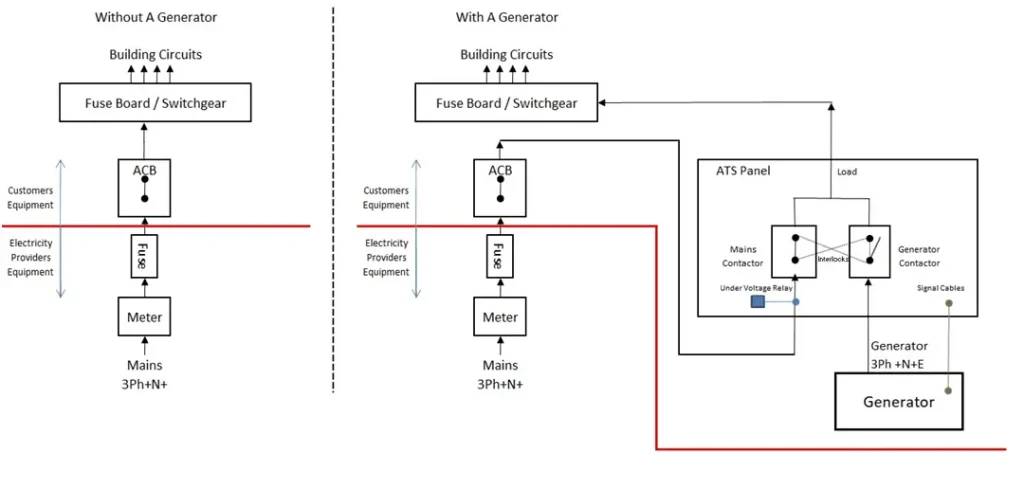
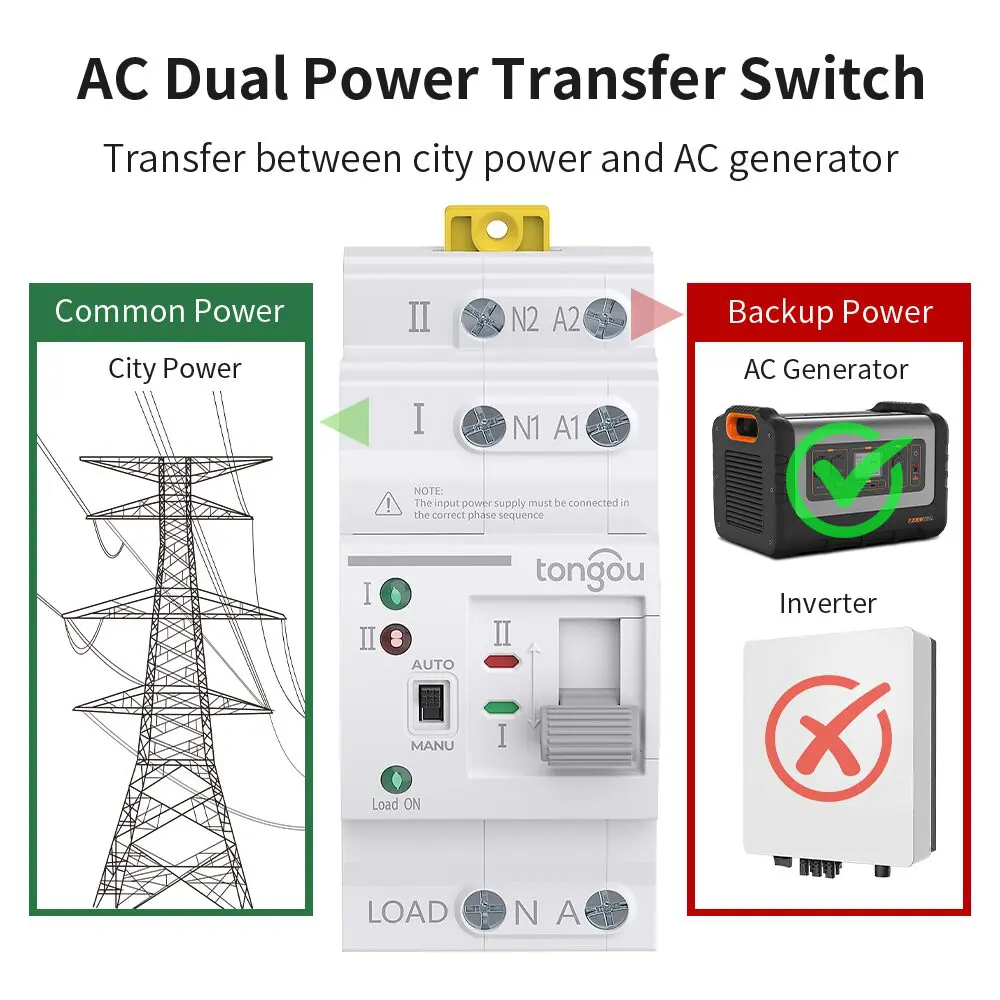
A generator ATS (Automatic Transfer Switch) is a device that switches power supply. It changes from the main power source to a backup generator during outages. This switch happens automaticallyand quickly to keep power running.
Key parts of an ATS include:
- Control panel:Detects power loss and signals the switch.
- Switch mechanism:Moves power source from main to generator.
- Power sensors:Monitor voltage and frequency of both sources.
- Generator connection:Links the generator to the building’s electrical system.
Credit: www.tongou.com
Types Of Ats
Open Transition ATSallows a brief power gap when switching sources. It disconnects the load from the main power before connecting to the generator. This prevents any back-feed and protects equipment. The transfer happens quickly but not instantaneously.
Closed Transition ATSswitches power without any interruption. It momentarily connects both sources, allowing a smooth and seamless transfer. This method needs complex control systems and is used where power must never stop.
Soft Load ATStransfers power by gradually adjusting the load on the generator. It prevents sudden changes that can harm devices. This type is ideal for sensitive or heavy equipment that needs gentle power shifts.
How Ats Detects Power Failure
Voltage sensingis the key way ATS detects power failure. It watches the electric voltageon the main power line. When the voltage drops below a safe level or stops completely, the ATS knows the power has failed. This triggers the switch to the generator power.
Frequency monitoringhelps ATS check if power is stable. Normal electric power has a steady frequency, usually 50 or 60 Hz. If the frequency changes a lot or stops, the ATS sees this as a problem. It then starts the generator to keep power flowing without interruption.
Power Transfer Process
The ATS detects a power outage from the main utility source. It sends a signal to start the generator. Once the generator runs at stable voltage, the ATS switches the electrical load to generator power.
This automatic switch helps keep homes or businesses powered without delay. The generator supplies electricity until the utility power returns. The ATS keeps checking the utility power status continuously.
- When utility power is restored, the ATS waits a few seconds.
- It then switches the load back to utility power safely.
- After the transfer, the ATS signals the generator to shut down.
- The system resets, ready for the next outage.
Installation Considerations
Location and placementof the generator ATS affect its performance and safety. It should be installed in a dry, well-ventilated area. Avoid places exposed to direct sunlight or heavy rain. Keep it away from flammable materials and ensure easy access for maintenance.
Wiring and connectionsmust be done carefully. Use wires that match the ATS and generator specifications. Proper connections prevent electrical faults and improve system reliability. Always follow the manufacturer’s wiring diagram.
Safety measuresare crucial during installation. Turn off all power sources before working on the ATS. Use insulated tools and wear protective gear. Make sure the ATS has proper grounding to avoid electric shocks.
Credit: www.yroenergy.com
Maintenance Tips
Routine inspections help keep the Automatic Transfer Switch (ATS)working well. Check for any loose connectionsor signs of wear. Clean dust and dirt from the ATS to avoid overheating. Look for corrosionon terminals and wires. Tighten any loose screws or bolts to ensure proper contact. Inspect the control panelfor any error codes or warnings.
Testing ATS functionality regularly is key to reliable power transfer. Simulate a power failure to see if the ATS switches from utility to generator power smoothly. Make sure the ATS returns to utility power after the main power is restored. Listen for unusual noisesor delays during switching. Record test results to track performance over time. Replace any parts that do not work properly to avoid power interruptions.
Common Issues And Troubleshooting
Delayed switchingoften happens due to poor wiring or a weak battery. Check connections and battery health to fix it quickly. Sometimes, the ATS control board may have faults causing delays.
Failure to transfermeans the ATS does not switch power to the generator. This can happen if the generator is off or the ATS senses no power from it. Make sure the generator runs and the ATS sensors work well.
False alarmsoccur when the ATS signals a problem but none exists. Dust, moisture, or loose wires can cause this. Clean the ATS panel and tighten connections to stop false alerts.
Benefits Of Using Ats
Seamless power transitionmeans the generator ATS switches power sources without delay. This keeps your devices running without interruption. It detects power failure and starts the generator quickly. The switch is automatic, so no one needs to do it manually.
Reduced downtimehelps businesses and homes stay powered longer. The ATS cuts down the time without electricity. This is important for places that need constant power, like hospitals or offices.
Enhanced safetyprevents power from flowing back to the grid. This protects utility workers and your equipment. The ATS also stops damage to the generator and main power source by managing the switch safely.
Credit: www.onesto-ep.com
Frequently Asked Questions
What Is The Primary Function Of A Generator Ats?
A generator ATS automatically switches power from the main source to the generator. It ensures continuous electricity during outages. This prevents downtime and protects sensitive equipment.
How Does A Generator Ats Detect Power Failure?
The ATS monitors incoming power voltage continuously. When voltage drops or fails, it signals the generator to start. This quick response keeps power supply uninterrupted.
Can A Generator Ats Work With Any Generator Type?
Most generator ATS units are compatible with various generators. However, compatibility depends on voltage and current ratings. Always check specifications before installation for optimal performance.
How Fast Does A Generator Ats Switch Power Sources?
An ATS typically switches power within seconds. This speed ensures minimal disruption to electrical devices. Faster switching is crucial for critical systems.
Conclusion
A generator ATS keeps power steady without any delay. It senses power loss and switches to backup quickly. This helps avoid blackouts and protects your devices. ATS saves time and effort by working automatically. Understanding how it works helps you choose the right system.
It ensures your home or business stays powered safely. Simple, reliable, and fast—an ATS is key for power backup.