
Imagine you’re in the middle of a power outage. Your trusty generator kicks in, but have you ever wondered what keeps its output stable?
That’s where the generator frequency sensor comes into play. This small but mighty component is crucial for maintaining the power quality you rely on. You might be curious about how it works and why it’s so essential to your generator’s performance.
Understanding this can empower you to make better choices for your energy needs. Stick around, and you’ll uncover the secrets of the generator frequency sensor and discover how it helps keep your lights on and your devices running smoothly.
Generator Frequency Basics
Frequencyin generators means how many times the current changes direction each second. It is measured in Hertz (Hz). For example, a 60 Hz frequency means the current changes 60 times per second.
Frequency control is very importantbecause it keeps the power stable and safe. If the frequency is too high or too low, machines can break or stop working. Proper frequency helps keep lights bright and devices running smoothly.
- Frequency shows how fast the generator spins.
- It must match the devices’ needs.
- Good control stops damage to equipment.
- Maintains steady electricity supply.
Frequency Sensor Types
Electromechanical sensorsdetect frequency by using moving parts. They often use coils and magnets. As the generator rotates, the sensor changes position. This movement creates a signal that matches the frequency. These sensors are simple but can wear out over time.
Electronic frequency sensorsuse circuits to measure frequency. They convert mechanical signals into electrical ones. These sensors are faster and more accurate than electromechanical types. They have no moving parts, so they last longer and need less maintenance.
Digital frequency sensorswork with digital electronics. They count pulses from the generator to find frequency. These sensors provide precise readings and can connect to computers easily. Digital sensors are common in modern generators for better control and monitoring.
Core Components Of Frequency Sensors
The sensing elementdetects the generator’s frequency by measuring voltage or current signals. It converts these signals into electrical pulses that match the frequency.
The signal processortakes these pulses and cleans the data. It removes noise and stabilizes the signal for accurate frequency reading.
The output interfacesends the processed frequency information to other devices. It can use analog or digital signals to communicate with controllers or displays.
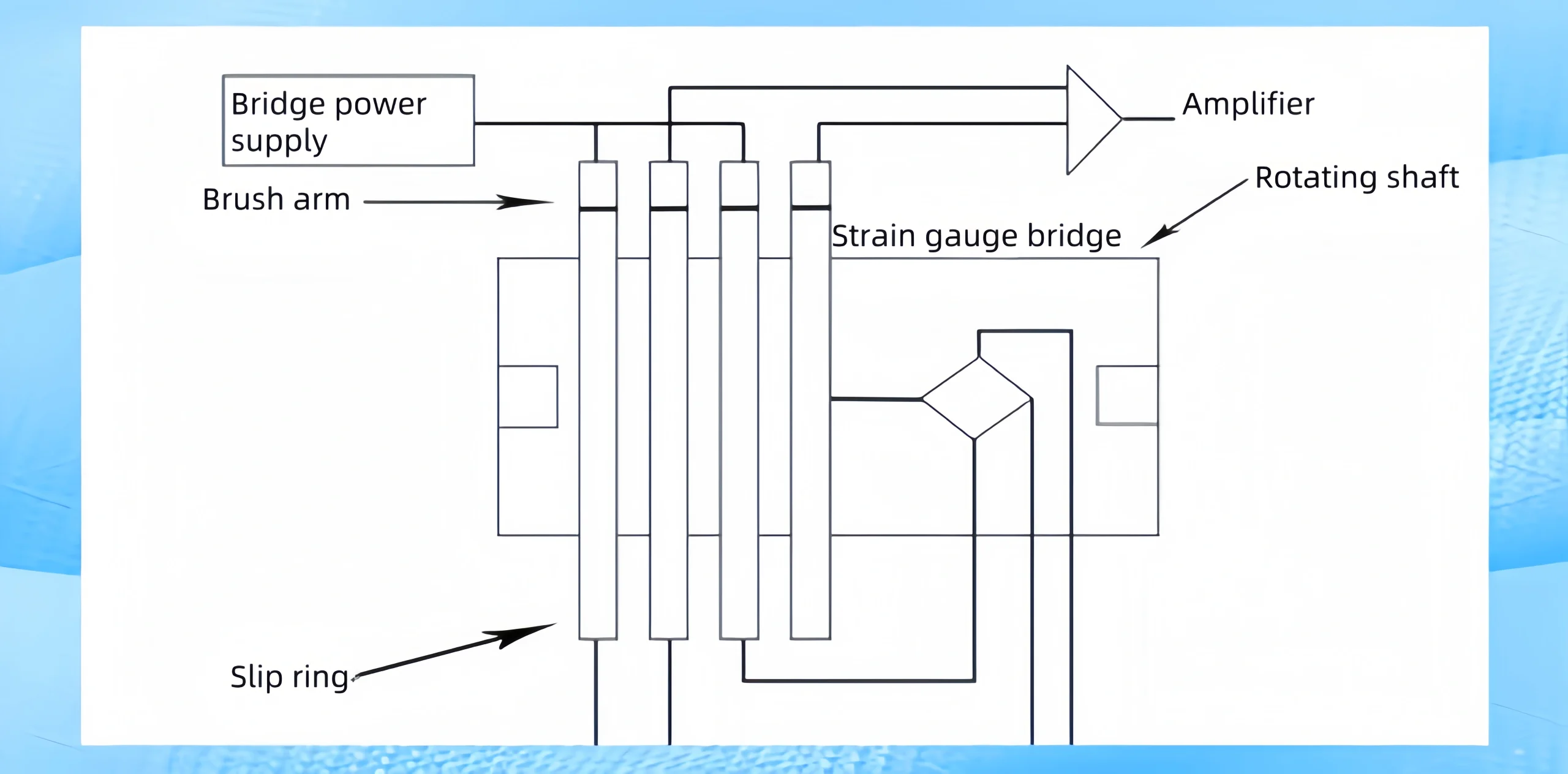
Credit: www.sino-insts.com
Working Principle Of Frequency Sensors
A frequency sensorin a generator detects the signalof the electrical output. It senses the voltage changesover time to find the frequency. The sensor reads the waveformcreated by the generator.
The device counts how many times the signal repeats in one second. This count is the frequency, measured in Hertz (Hz). It helps keep the generator running at the right speed.
The sensor then convertsthis data into an electrical or digital form. This data can be sent to a control system or display. This process allows easy monitoring of the generator’s performance.
Installation And Calibration
Sensor placementis key for accurate frequency readings. Install the sensor close to the generator’s output. Avoid areas with strong vibrations or electromagnetic interference. Make sure the sensor is mounted securely and aligned properly with the generator shaft or coil.
Calibration ensures the sensor gives correct frequency data. Use a calibration toolor a known frequency source. Adjust the sensor output to match the reference frequency. Repeat this process to confirm stable readings. Calibration may need repeating after installation or if the sensor is moved.
- Keep the sensor clean and free from dust.
- Check sensor wiring and connections regularly.
- Inspect for physical damage or loose parts.
- Recalibrate after repairs or long periods of use.
- Store calibration tools safely for quick access.
Common Issues And Troubleshooting
Signal interferencecan cause the frequency sensor to give wrong readings. Electrical noise from nearby machines or cables often disrupts sensor signals. Shielded cables and proper grounding help reduce this issue. Keep sensor wires away from power lines to avoid interference.
Sensor drifthappens when the sensor slowly loses accuracy over time. This is common in sensors exposed to heat or vibration. Regular calibration is needed to keep measurements correct. Replace sensors if drift becomes too large.
Faulty readingsmay result from poor connections or damaged parts. Loose wires or corroded contacts can stop signals from passing correctly. Inspect the sensor and wiring for damage. Cleaning or tightening connections often fixes the problem. If faults continue, replace the faulty components.
Applications In Power Systems
Generator frequency sensorsplay a key role in power systems. They help keep the grid stable by measuring how fast the generator spins. This data is crucial for grid synchronization. It ensures the generator matches the grid’s frequency before connecting. This prevents damage and power loss.
For load management, these sensors help balance power supply and demand. They send signals to adjust generator output when the load changes. This keeps the system efficient and avoids blackouts.
In generator protection, frequency sensors detect abnormal changes. Sudden shifts can mean faults or failures. The system can then shut down or alert operators to protect equipment and people.

Credit: lj-machine.com
Future Trends In Frequency Sensing
Smart sensorscan detect frequency changes more accurately. They adjust automatically to different generator loads. This helps keep power stable and safe. Smart sensors use less energy and last longer than old models.
Wireless monitoringallows checking generator frequency from far away. It sends data to phones or computers in real time. This way, problems can be spotted quickly. Wireless systems reduce the need for on-site visits, saving time and money.
Integration with IoTconnects frequency sensors to the internet. This lets many devices work together smoothly. Data from sensors can be analyzed for better performance. IoT helps predict issues before they happen, improving reliability.

Credit: lj-machine.com
Frequently Asked Questions
What Is The Function Of A Generator Frequency Sensor?
A generator frequency sensor monitors the electrical frequency output of a generator. It ensures the generator runs at the correct frequency, maintaining power stability and protecting connected equipment from damage due to frequency fluctuations.
How Does A Generator Frequency Sensor Detect Frequency?
The sensor measures the rate of alternating current cycles produced by the generator. It converts these cycles into electrical signals, which are analyzed to determine the generator’s operating frequency in real-time.
Why Is Frequency Monitoring Important In Generators?
Frequency monitoring ensures the generator produces stable and consistent power. It prevents damage to electrical devices and maintains synchronization with the power grid, avoiding outages and operational failures.
Can Frequency Sensors Prevent Generator Damage?
Yes, frequency sensors detect irregular frequency changes early. This allows for immediate corrective actions, protecting the generator and connected systems from potential damage caused by frequency instability.
Conclusion
Generator frequency sensors measure the speed of the generator’s rotation. They send signals to control systems to keep power steady. This helps avoid damage and ensures smooth electricity flow. Understanding how these sensors work makes it easier to maintain generators.
Proper sensor function keeps machines safe and reliable. It also helps save money on repairs. Knowing this simple process can improve your generator’s performance. A small sensor plays a big role in power systems.