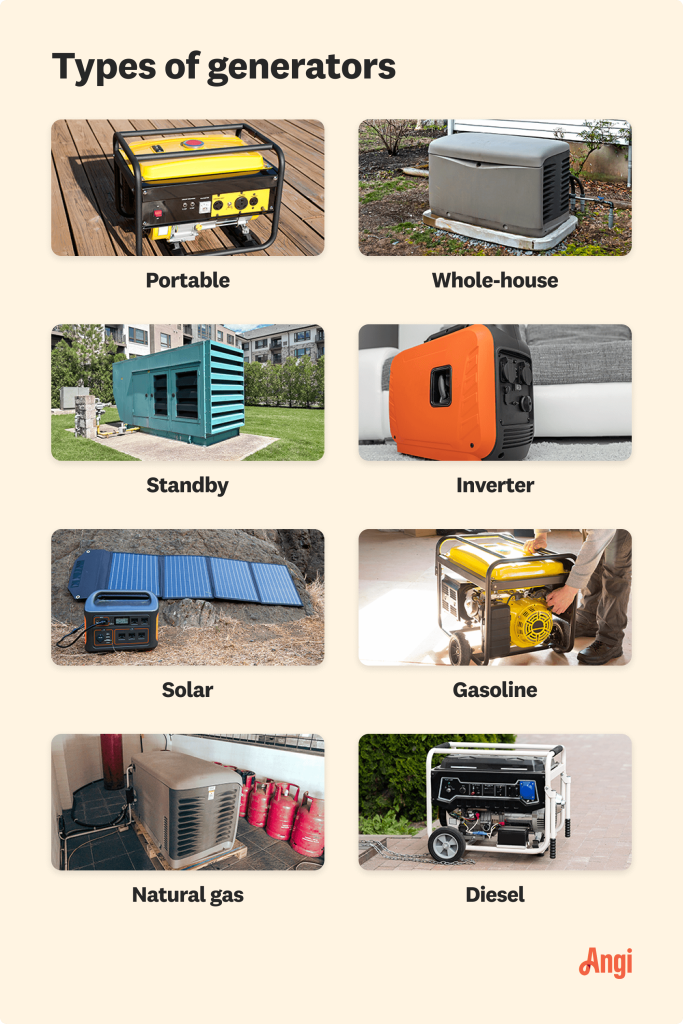
Are you curious about how an inverter works and when it decides to take a break? You’re not alone.
Understanding the intricacies of your inverter can feel like cracking a secret code, but it doesn’t have to be that way. Imagine having the power to make your home’s energy system smarter and more efficient, just by understanding a few key concepts.
Inverters are the unsung heroes of our modern electrical systems, quietly transforming energy behind the scenes. But what exactly triggers them to generate power, and when do they switch to standby mode? By the end of this article, you’ll have a clear picture of how your inverter functions, empowering you to make informed decisions for your home. Let’s unravel this mystery together!
Inverter Basics
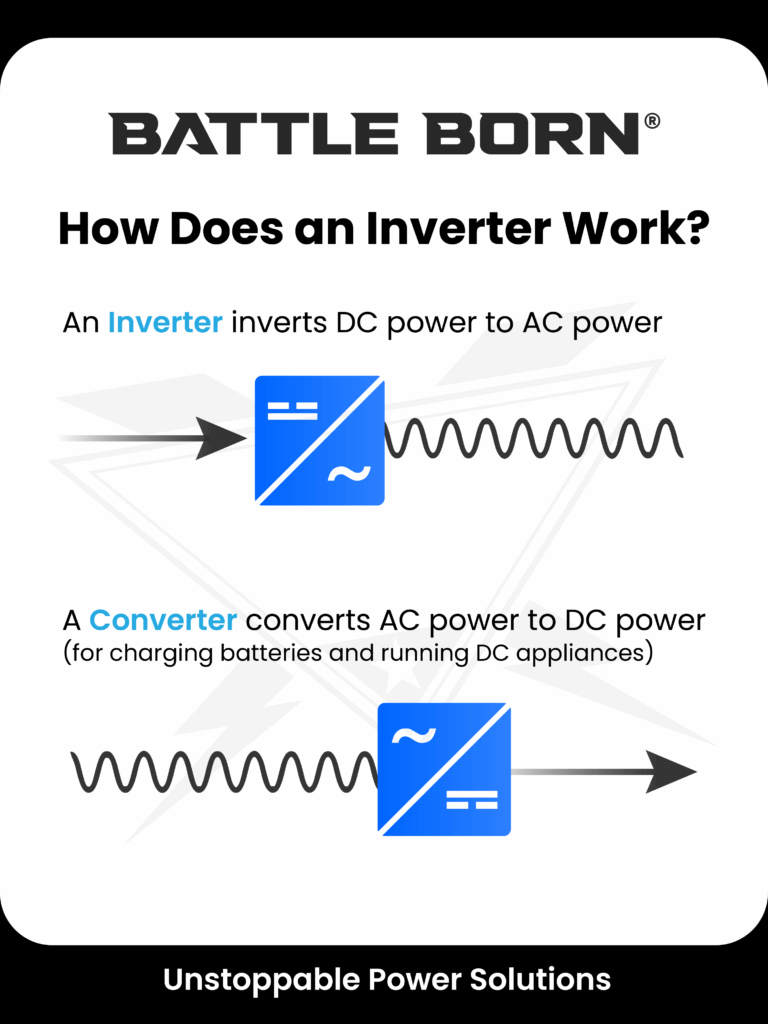
An inverteris a device that changes direct current (DC) into alternating current (AC). This helps power homes and devices from batteries or solar panels. The inverter works by switching the DC input on and off very fast to create AC output.
There are different types of inverters:
- Square Wave:Simple and cheap, but not very smooth power.
- Sine Wave:Provides clean, smooth power like the grid.
- Modified Sine Wave:A middle ground between square and sine wave.
Key parts inside an inverter include:
| Component | Function |
|---|---|
| Oscillator | Creates a signal to switch DC on and off. |
| Transformer | Changes voltage levels to match appliances. |
| Switching Circuit | Controls the flow of electricity to create AC. |
| Filter | Smooths the output wave for better power quality. |

Credit: solarpowernation.com.au
Inverter Power Generation
An inverter changes direct current (DC) from batteries or solar panels into alternating current (AC). This AC powers homes and devices.
The conversion processinvolves electronic circuits called inverters that flip the DC into AC. This lets the power work with regular electrical devices.
The batteriesstore energy and provide power when solar panels are not producing enough energy. Solar panels capture sunlight and turn it into DC power.
| Waveform Type | Output Quality | Uses |
|---|---|---|
| Sine Wave | Clean and smooth | Best for sensitive electronics |
| Modified Sine Wave | Less smooth, some noise | Good for simple devices |
| Square Wave | Rough and harsh | Used in basic tools and lights |
The inverter goes into standbymode when no devices need power. This helps save battery and energy.
Triggering Inverter Operation
Load detectionis key to starting the inverter. It senses when a device uses power. Once a load is detected, the inverter begins to generate electricity. It prevents energy waste by staying off when no load is present.
Power source switchinghappens automatically. The inverter switches between the main power and backup power. This change is smooth to avoid any power loss. It keeps devices running without interruption.
The automatic start mechanismtriggers the inverter without human help. It monitors power levels and load status. When needed, it starts the inverter to provide power. This system ensures power is ready when required.

Credit: www.youtube.com
Inverter Standby Mode
An inverter generates power by converting DC electricity into AC electricity for home use. It goes into standby mode when the main power supply is stable, saving energy until needed. This helps reduce unnecessary power consumption efficiently.
Conditions For Standby Activation
Standby modestarts when the inverter detects low or no load. This means the devices connected use little or no power. The inverter then stops generating energy to save power. If the load increases again, the inverter wakes up quickly. It keeps the system efficient and avoids wasting electricity.
Energy Saving Benefits
- Reduces power useduring idle times.
- Helps lower electricity bills.
- Extends the life of the inverter by reducing wear.
- Supports better energy management at home or office.
How Standby Affects Performance
The inverter stays ready to start when needed. It may take a few seconds to resume full power. This slight delay saves energy without affecting your devices. The overall system stays reliable and safe. Standby mode balances energy savingwith performance.
Troubleshooting Common Issues
An inverter stops producing power due to several common issues. It might not generate power if the battery is low or disconnected. Check the input voltage and wiring for any loose connections. A faulty fuse or circuit breaker can also cause power loss. Sometimes, the inverter’s internal protection system activates to prevent damage.
Unexpected standby mode can happen when the load is too low or no load is connected. The inverter automatically switches off to save energy. Overheating due to blocked ventilation or high ambient temperature also triggers standby. Make sure the inverter is clean and placed in a cool area.
| Maintenance Tips |
|---|
|
Optimizing Inverter Use
Managing the load on the inverteris key for smooth operation. Avoid using too many devices at once. This helps the inverter work efficiently and last longer.
Battery care is very important. Keep the battery charged and check it regularly. Clean the terminals and avoid deep discharges to extend battery life.
| Upgrade Aspect | Benefit |
|---|---|
| Higher Capacity Inverter | Supports more devices without overload |
| Smart Inverter Models | Automatically switch to standby when not needed |
| Better Battery Technology | Longer backup time and faster charging |
Credit: battlebornbatteries.com
Frequently Asked Questions
How Does An Inverter Generate Electricity?
An inverter converts DC power from batteries into AC electricity. It uses electronic circuits to switch current direction rapidly, creating usable AC output for household appliances.
When Does An Inverter Go Into Standby Mode?
An inverter enters standby when the main power supply is stable. It conserves battery life by switching off output until power failure occurs.
What Triggers An Inverter To Start Generating Power?
An inverter starts when it detects a power outage or voltage drop. It then switches to battery power to maintain electricity supply.
How Does Inverter Standby Save Energy?
Standby mode reduces energy consumption by shutting off unnecessary functions. This conserves battery power and extends the inverter’s operational lifespan.
Conclusion
Inverters create power by changing DC into AC electricity. They help run many home and office devices smoothly. An inverter goes into standby mode when no power is needed. This saves energy and protects the device. Knowing how and when an inverter works can help you use it better.
Keep your inverter in good condition for longer life. Simple steps like this make your power supply more reliable. Understanding these basics keeps you prepared during power cuts.