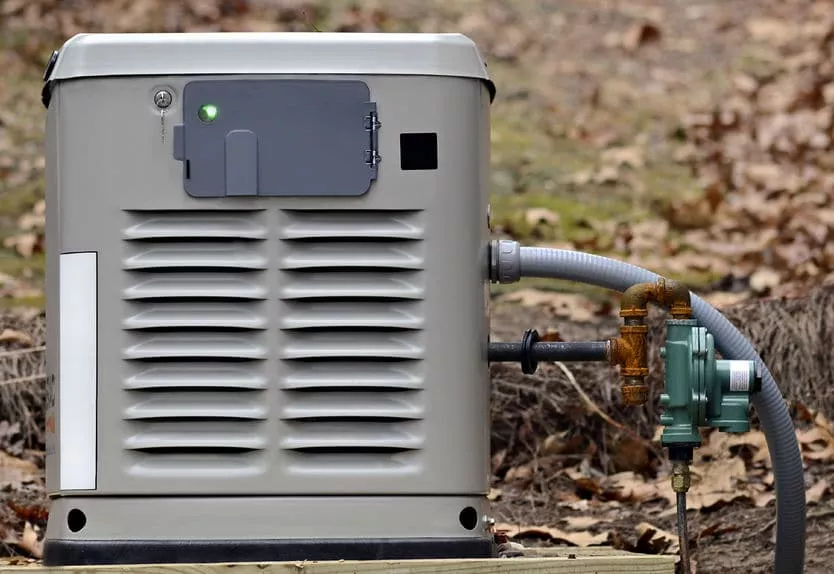
Have you ever wondered what keeps your home powered during a sudden blackout? A standby generator could be the silent hero you need.
Understanding how a standby generator works can help you make smart choices to protect your family and keep your daily life running smoothly. You’ll discover exactly how these machines detect power outages and switch on automatically, so you never have to worry about being left in the dark.
Keep reading to learn how a standby generator can bring you peace of mind when the unexpected happens.

Credit: www.tycorun.com
Standby Generator Basics
A standby generatorautomatically provides power during an outage. It senses power loss and starts within seconds. The generator runs until power returns. It keeps your home or business running smoothly.
- Engine:Runs on fuel to generate power.
- Alternator:Converts engine power into electricity.
- Automatic Transfer Switch (ATS):Switches power source from grid to generator.
- Fuel Supply:Provides fuel like natural gas, propane, or diesel.
- Control Panel:Monitors and controls the generator’s operation.
| Type | Fuel | Best For |
|---|---|---|
| Natural Gas | Natural gas | Homes with gas lines |
| Propane | Propane gas | Areas without gas lines |
| Diesel | Diesel fuel | Commercial buildings, heavy use |
Credit: solarsme.com
Power Activation Process
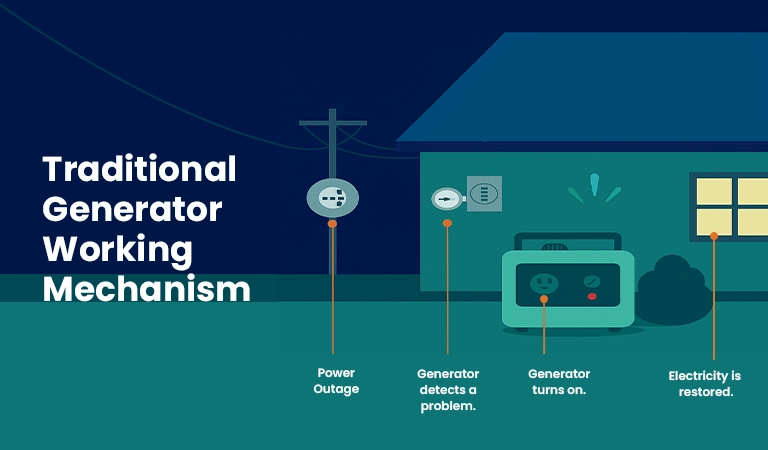
The standby generatordetects a power outage using an automatic sensor. This sensor monitors the main power line for any interruptions.
Once it senses a loss of electricity, the generator’s engine starts. The engine quickly reaches the right speed to produce power.
After the engine runs steadily, the system switches the home’s power source from the utility to the generator. This change happens smoothly to keep your devices running.
When the main power returns, the generator stops and switches back to normal power.
Fuel Sources And Efficiency
Standby generators use different fuel typesto work. The most common are:
- Natural Gas:Clean and often cheaper, connected to home lines.
- Propane:Stored in tanks, good for long power outages.
- Diesel:Powerful and reliable but needs careful storage.
- Gasoline:Easy to find but less safe for standby use.
Fuel consumption depends on the generator sizeand load. Smaller generators use less fuel. Larger ones need more fuel but can power more devices.
| Fuel Type | Typical Consumption Rate | Notes |
|---|---|---|
| Natural Gas | 200-300 cubic feet/hour | Continuous supply, cleaner burning |
| Propane | 1-2 gallons/hour | Stored fuel, easy to transport |
| Diesel | 0.5-1.5 gallons/hour | High energy, needs safe storage |
To optimize fuel use, keep the generator well maintained. Use energy-saving appliances during outages. Regular testing ensures efficiency and reduces fuel waste.

Credit: dustinsmechanical.com
Maintenance And Testing
Routine maintenance keeps a standby generator ready. Check oil and coolant levels often. Replace oil and filters as the manual says. Clean air filters to prevent dirt buildup. Inspect battery and connections for corrosion or loose wires. Keep the area around the generator clear of debris. Run the generator regularly to keep parts moving and fuel fresh.
Testing the generator ensures it works during power loss. Test it monthly by running it under load for 20-30 minutes. Check for unusual noises, vibrations, or smoke. Verify the transfer switch works correctly. Record test results and any issues found.
Troubleshooting common issues helps avoid long outages. Look for fuel problems like leaks or clogged filters. Check spark plugs and wiring if it won’t start. Listen for strange sounds that may mean mechanical trouble. Address small problems early to save money and time.
Safety Features
Automatic shutoff mechanismsstop the generator if it detects a problem. This prevents damage and keeps people safe. The generator turns off if fuel runs low or oil pressure drops.
Carbon monoxide detectionis key for safety. Generators produce this gas, which is harmful. Sensors detect high levels and shut down the unit to avoid poisoning.
Overload protectionstops the generator from working too hard. It prevents damage by cutting power if the load is too big. This helps keep the generator and appliances safe.
Installation Considerations
Proper placement and clearances are key for safe standby generator installation. Consider nearby fuel sources and weather protection to ensure reliable operation.
Site Selection
Choose a location with good air flow. Keep the generator away from windows and doors. It should be on a flat, solid surface. Avoid places prone to flooding. The spot must be easy to reach for maintenance. Noise levels matter, so pick a quiet area.
Permits And Regulations
Check local rules about generator installation. Permits might be needed before starting work. Follow safety and noise laws carefully. Proper permits keep your installation legal and safe. Inspectors may visit to verify compliance.
Professional Vs Diy Installation
- Professional installationensures safety and code compliance.
- Experts handle wiring and fuel connections properly.
- DIY installationcan save money but risks errors.
- Incorrect setup may cause damage or hazards.
- Consider skills and tools before choosing DIY.
Benefits Of Standby Generators
Standby generatorsprovide a constant power supplyduring outages. They start automatically within seconds of power loss. This ensures your home stays powered without interruption. No need to worry about darkness or cold during storms.
They also protect home appliancesby preventing power surges. This keeps devices safe and extends their lifespan. Sensitive electronics like computers and refrigerators stay secure and functional.
Having a standby generator gives peace of mind. You can relax knowing your family is safe and comfortable. Essential systems like heating, cooling, and lighting keep working. No more stress during power failures.
Cost Factors
The initial investmentincludes the cost of the generator unit and installation fees. Prices vary by size and power capacity. Bigger generators cost more but cover larger homes or businesses.
Operating costscover fuel, maintenance, and occasional repairs. Fuel types include natural gas, propane, or diesel. Regular maintenance helps avoid costly breakdowns.
Standby generators offer long-term savingsby preventing power loss. They protect appliances and keep homes safe during outages. Savings come from fewer damages and less downtime.
Frequently Asked Questions
How Does A Standby Generator Automatically Start?
A standby generator starts automatically when it detects a power outage. It uses an automatic transfer switch to sense power loss. The generator then powers your home within seconds, ensuring uninterrupted electricity.
What Fuels Do Standby Generators Use?
Standby generators commonly use natural gas, propane, or diesel as fuel. Natural gas and propane are popular for their clean burning and availability. Diesel generators are known for durability and high power output.
How Long Can A Standby Generator Run Continuously?
Standby generators can run continuously for several hours to days. Their runtime depends on fuel capacity and load demand. Many models can operate for 24-48 hours before refueling is needed.
Can Standby Generators Power An Entire Home?
Yes, standby generators can power an entire home. They are sized based on your home’s electrical load requirements. Proper installation ensures they handle essential appliances and systems during outages.
Conclusion
Standby generators keep homes running during power outages. These machines switch on automatically. They connect to existing power systems. Fuel types include diesel, natural gas, or propane. Generators sense power loss and activate quickly. This ensures appliances and lights stay on.
Regular maintenance keeps them efficient and reliable. Investing in a standby generator brings peace of mind. No more worrying about sudden blackouts. It’s a practical solution for consistent power supply. Understanding their operation helps in making informed decisions. Stay prepared and ensure comfort with a standby generator.
Keep the lights on, always.