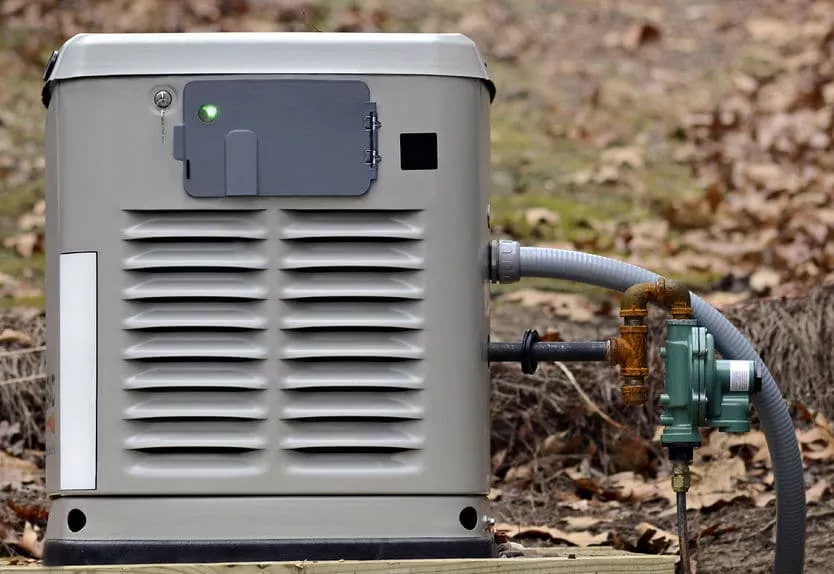
When the power goes out, a standby generator can be your lifeline. But have you ever wondered how far you can place that generator from your house without losing efficiency or safety?
Getting this distance right is more important than you might think. Too close, and you risk noise and fumes near your home. Too far, and you could face costly wiring or delayed power. You’ll discover the key factors that determine the perfect spot for your standby generator.
By the end, you’ll know exactly where to place it to keep your home safe, comfortable, and powered up when you need it most. Keep reading—you don’t want to miss these crucial tips!

Credit: truegear.com.au
Standby Generator Basics
A standby generatoris a machine that provides power during outages. It turns on automaticallywhen electricity stops. This keeps homes and businesses running smoothly.
People use standby generators for many reasons:
- Powering homes during storms or blackouts
- Keeping medical devices working
- Running businesses without interruption
- Maintaining security systems and lights
- Supporting farms and remote areas
Distance Recommendations
Manufacturer guidelinesoften suggest placing the standby generator at least 5 to 10 feetaway from the house. This distance helps prevent carbon monoxide from entering the home. Always check the specific manualfor your generator model. It has important safety rules you must follow.
Local codesmay have rules that differ from manufacturer advice. These codes set the minimum safe distance for installation. Common rules require the generator to be at least 10 feetfrom windows, doors, and vents. This helps keep fresh air safe and prevents gas buildup.
| Type | Recommended Distance |
|---|---|
| Manufacturer Guidelines | 5 – 10 feet from house |
| Local Code Requirements | At least 10 feet from openings |
| Typical Safe Distance | 10 – 20 feet from house |
Safety Hazards To Avoid
Carbon monoxideis a dangerous gas produced by generators. It can cause sickness or death. Keep the generator at least 20 feetaway from doors, windows, and vents to stop gas from entering the home. Always place it outdoors in a well-ventilated area.
Fire hazardshappen if the generator is too close to flammable materials. Avoid placing it near dry leaves, gasoline, or wooden structures. Check fuel lines often to prevent leaks. Keep a fire extinguisher nearby for emergencies.
Noise concernscan disturb neighbors and family. Standby generators can be loud, so position them away from bedrooms or quiet areas. Use barriers or fences to help reduce noise levels.
Placement Factors
Ventilationis key for standby generators. They must be placed in open areas.
Good airflow helps remove fumesand keeps the generator cool.
Weather protectionis important. Generators need a cover or shelter to avoid rain and snow damage.
Too much sun can also harm the unit, so some shade is good.
Accessibilitymatters for maintenance. The generator should be easy to reach for repairs and checks.
Clear space around the unit helps the technician work safely and quickly.
Installation Tips
Professional installationensures safety and code compliance. Experts know local rules and can handle complex wiring. DIY installationmay save money but risks mistakes and safety issues. Electrical work needs skill and proper tools.
Most areas require permits and inspectionsbefore and after installation. Permits make sure the generator meets safety standards. Inspectors check the setup to protect your home and family.
Connecting the generator to the home electrical system must be done carefully. A transfer switchprevents backfeed, protecting utility workers and equipment. Only a qualified electrician should make this connection.

Credit: www.angi.com
Maintenance And Testing
Regular checks keep the generator working well. Look for fuel leaks, oil levels, and battery charge. Clean air filters often. Check the control panelfor errors or warnings. Use a calendar to track inspections and stay on schedule.
Store fuel in a cool, dryplace away from the house. Use approved containers to keep fuel safe. Avoid storing fuel near heat sourcesor open flames. Check fuel levels regularly to prevent running out during an outage.
| Load Testing Step | Details |
|---|---|
| Start Generator | Run the generator for 20-30 minutes |
| Apply Load | Connect devices or use a load bank |
| Monitor Output | Check voltage and frequency stability |
| Check for Issues | Listen for noises or check for leaks |
| Stop and Cool Down | Turn off the generator and let it cool |

Credit: www.achrnews.com
Frequently Asked Questions
How Far Should A Standby Generator Be From The House?
A standby generator should be at least 5 to 10 feet away from your home. This distance ensures safety and reduces noise and exhaust risks.
Can A Generator Be Placed Closer Than 5 Feet?
Placing a generator closer than 5 feet is not recommended. It poses fire hazards and can allow dangerous exhaust fumes to enter the home.
What Regulations Govern Generator Placement Distance?
Local building codes and the National Electrical Code (NEC) set rules for generator placement. Always check these before installation to ensure compliance and safety.
Does Distance Affect Generator Performance?
Distance doesn’t affect generator performance. However, longer cable runs may require thicker wiring to prevent power loss.
Conclusion
Choosing the right spot for your standby generator is essential. Consider safety, noise, and efficiency. Keep it a safe distance from your home. Check local regulations for specific guidelines. Proper installation ensures optimal performance. Avoid placing it too close to living areas.
This reduces noise and fume exposure. Regular maintenance is key for reliability. Consult professionals for advice tailored to your needs. A well-placed generator offers peace of mind during outages. Remember, location plays a crucial role in overall safety. With careful planning, you ensure a safe and efficient setup.
Your power backup can then work effectively when needed.