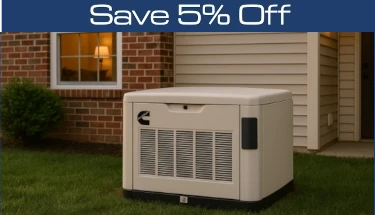
Are you considering installing a standby generator for your home? One crucial aspect you might be wondering about is how far from a window it should be placed.
This decision isn’t just a matter of convenience; it’s about ensuring safety and efficiency. Imagine a scenario where your generator is too close to your windows, allowing dangerous fumes to enter your living spaces. On the other hand, placing it too far might impact its performance or accessibility.
We’ll guide you through the essentials of finding the perfect spot for your generator. By understanding the ideal distance from windows, you’ll not only enhance your safety but also ensure that your generator performs at its best. Keep reading to make an informed decision that protects both your home and family.

Credit: www.chattagen.com
Safety Distances For Standby Generators
Standby generatorsmust be placed at a safe distance from windows to prevent exhaust gases from entering homes. The recommended minimum distanceis usually 5 feetor more, depending on the generator size and local rules.
Local building codesoften set specific rules about how far generators must be from windows, doors, and vents. These rules help keep families safe from harmful fumes like carbon monoxide.
Always check the manufacturer guidelinesfor exact distance requirements. Some models need more space due to higher exhaust levels. Following these guidelines reduces risks and ensures proper operation.
| Aspect | Recommended Distance |
|---|---|
| Minimum from windows | At least 5 feet |
| Local building codes | Varies by location; check local rules |
| Manufacturer guidelines | Follow specific model instructions |

Credit: www.modernizepower.com
Risks Of Improper Placement
Carbon monoxideis a deadly gas that comes from generators. It can build up quickly near windows and enter homes. Keep generators far enough to stop this gas from coming inside. Proper distance helps keep your family safe from poisoning.
Fire risksrise if generators sit too close to walls or flammable materials. Sparks or heat can start fires easily. Place generators on clear, flat ground away from anything that can burn.
Noise and vibration from generators can annoy neighbors and damage nearby structures. Choose a spot that reduces sound and shaking. This keeps peace and protects your home’s walls and windows.
Factors Influencing Placement
Wind direction affects how exhaust fumes move from the generator. Place the generator so fumes blow away from windows and doors. Good ventilation helps keep harmful gases from entering your home.
Generator size and power output guide how far it should be from a window. Bigger generators need more space for safe operation. Check the manufacturer’s rules for exact distances.
Property layout and space limits also matter. A small yard may limit placement options. Choose a spot that is easy to reach but safe from traffic and children.
| Factor | Consideration | Recommendation |
|---|---|---|
| Wind Direction | Direction of wind relative to windows | Place generator so fumes blow away from windows |
| Ventilation | Air flow around generator | Ensure open space for exhaust to disperse |
| Generator Size | Power output and physical size | Follow manufacturer’s distance guidelines |
| Property Layout | Available space and obstacles | Choose safe and accessible location |

Credit: crowe-electric.com
Installation Best Practices
Choose a flat and stable area for the generator. Clear away any plants or debris to prevent fire risks.
The generator should be mounted on a solid base. This keeps it steady and prevents sinking in wet soil. Elevate the unit slightly to avoid water damage during rain or floods.
- Allow enough space around the generator for easy access.
- Keep the area clear for maintenance tasks.
- Check regularly for dirt or damage.
Additional Safety Measures
Carbon monoxide detectorsshould be installed inside the home. These devices warn about dangerous gas levels. Place them near bedrooms and living areas for better safety.
Emergency shutoff systems can stop the generator fast. They help prevent accidents and damage. Make sure the system is easy to access and test it regularly.
Proper exhaust routing moves gases away from windows and doors. Exhaust pipes should point downwind and be far from air intakes. This keeps toxic fumes out of living spaces.
- Install carbon monoxide detectors near sleeping areas.
- Emergency shutoff systems must be easy to reach.
- Route exhaust away from windows and air vents.
Frequently Asked Questions
How Far Should A Standby Generator Be From A Window?
A standby generator should be at least 5 feet away from any window. This distance helps prevent exhaust fumes from entering the home. Proper placement ensures safety and complies with most local codes. Always check your generator’s manual and local regulations for exact requirements.
Why Keep A Generator Away From Windows?
Keeping a generator away from windows prevents carbon monoxide from entering living spaces. Exhaust gases are harmful and can cause serious health risks. Proper distance ensures fresh air circulation and reduces noise inside the home. It is critical for safe generator operation.
What Is The Minimum Distance From Windows For Generators?
The minimum safe distance is typically 5 feet from any window or door. This spacing helps avoid exhaust buildup near air intake points. Local codes may require greater distances, so verify with authorities. Following these guidelines keeps your household safe.
Can Generator Fumes Enter Through Closed Windows?
Yes, generator fumes can enter through closed windows if placed too close. Carbon monoxide can seep through small gaps and vents. Keeping generators at a safe distance minimizes this risk. Proper placement ensures indoor air quality remains safe during use.
Conclusion
A standby generator needs space from windows to keep you safe. Placing it too close risks harmful gases entering your home. Experts suggest a distance of at least 5 feet or more. Check local rules for exact placement guidelines. Proper distance helps fresh air flow and reduces noise inside.
Always place your generator on a flat, dry surface. Taking these steps protects your family and your home. Safe setup means power when you need it most. Simple care keeps your generator working well and safe.