
When it comes to keeping your home powered during an outage, a standby generator can be a lifesaver. But have you ever wondered how far it should be placed from your house?
Getting the distance right is more important than you might think. Too close, and you could risk safety issues; too far, and your generator might not work as efficiently as it should. You’ll discover the ideal placement for your standby generator to keep your home safe, quiet, and running smoothly.
Keep reading, because the answer could save you time, money, and headaches down the road.

Credit: truegear.com.au
Recommended Distance For Standby Generators
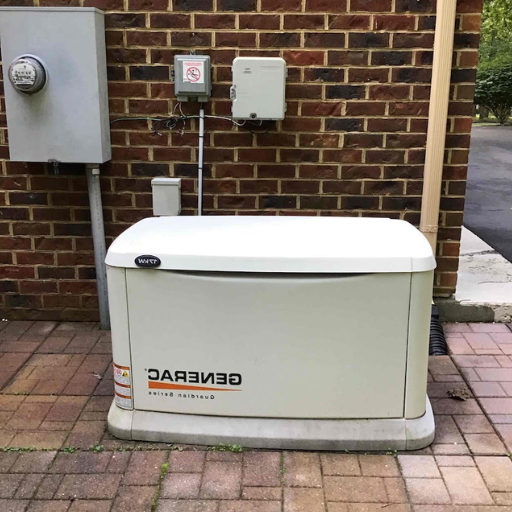
Standby generatorsshould be placed at a safe distance from your house. The minimum distanceis usually around 5 feetbut can vary based on local rules. This space helps prevent carbon monoxidefrom entering your home and reduces fire risks.
Several factors influencethe placement of a generator. These include:
- Wind direction to avoid fumes blowing toward windows
- Nearby structures like sheds or fences
- Access for maintenance and fuel delivery
- Noise levels to keep disturbance low
Local codes and regulationsoften set specific rules. These rules may differ by city or state. Always check with local authoritiesbefore installing. Following these rules ensures safety and legal compliance.
Credit: shgeneratorset.com
Risks Of Incorrect Generator Placement
Carbon monoxideis a dangerous gas from generators. It can cause illness or death. Place generators far from doors and windows to avoid gas entering homes.
Fire safetyis critical. Generators produce heat and sparks. Keep them away from flammable materials like dry leaves or gas tanks to prevent fires.
Noise and vibration from generators can disturb family and neighbors. Choose a location that reduces sound and vibration reaching living areas.
| Risk | Cause | Safety Tip |
|---|---|---|
| Carbon Monoxide | Gas from generator exhaust | Place generator 20 feet away from windows and doors |
| Fire Hazard | Heat and sparks from generator | Keep clear of flammable materials and dry debris |
| Noise & Vibration | Generator engine operation | Locate generator away from bedrooms and neighbors |
Site Selection Tips
Choose a flat and stable surfacefor the standby generator. This helps it run smoothly and safely. Avoid spots that slope or collect water. The generator needs a solid base to prevent damage.
Keep the generator clear of obstructions. Avoid placing it near walls, fences, or bushes. Proper space ensures good ventilation. Good airflow stops overheating and keeps exhaust gases away from your home.
- Leave enough room to open the generator for repairs.
- Make sure tools and parts are easy to reach.
- Check that the location is safe and easy to access in all weather.
Installation Best Practices
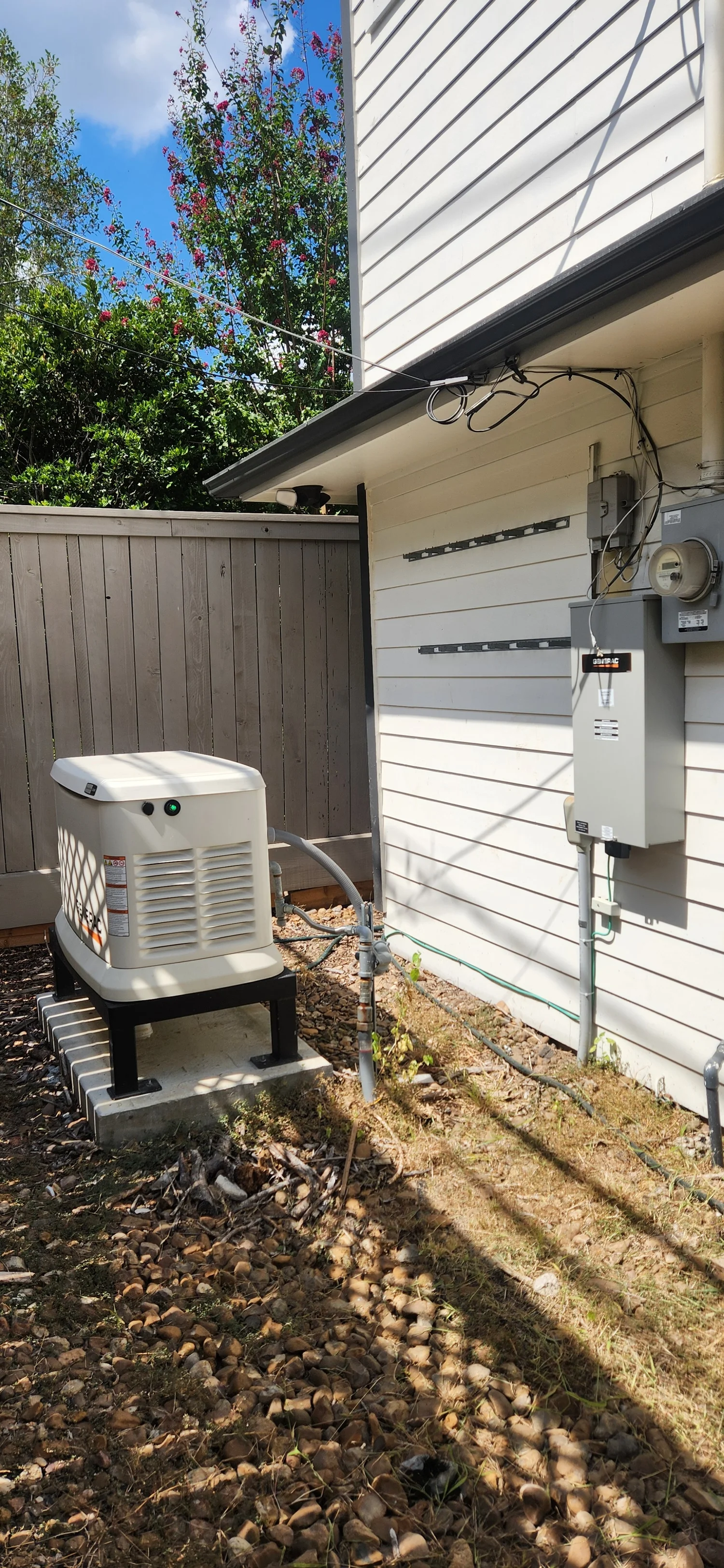
Proper groundingis essential for safety and performance. Connect the generator to a grounding rod driven deep into the earth. This prevents electrical shocks and damage during power surges. Use heavy-duty copper wire for a reliable connection.
Securing the generatorstops it from moving or tipping. Anchor the base to a solid, flat surface like concrete. Use bolts or straps designed for outdoor equipment. This keeps the generator stable during strong winds or vibrations.
Weather protection measuresextend the generator’s life. Place it under a canopy or shelter that allows airflow but blocks rain and snow. Use covers made for generators to protect from dust and debris. Avoid enclosing the generator tightly to prevent overheating.
Maintenance And Safety Checks
Keep a regular inspection schedulefor your standby generator. Check for any signs of wear or damageevery month. Test the generator under load to ensure it works properly. This helps spot problems early and keeps it ready.
Always test carbon monoxide detectorsnear your home. These devices warn about harmful gas leaks from the generator. Replace batteries often and test alarms monthly. This step is critical for family safety.
- Clean the generatorto remove dirt and debris.
- Use a soft brush or cloth for cleaning.
- Store fuelsafely in approved containers.
- Keep fuel away from heat or sparks.
- Check fuel levels and replace old fuel regularly.
Credit: www.arielicustomhomes.com
Frequently Asked Questions
How Far Should A Standby Generator Be From My House?
A standby generator should be placed at least 5 to 10 feet away from your house. This distance ensures safety by reducing noise, preventing carbon monoxide buildup, and complying with local codes. Proper placement protects both your family and property.
Why Is Generator Placement Distance Important?
Generator placement distance is crucial for safety and efficiency. It helps avoid carbon monoxide poisoning, reduces noise impact, and ensures proper ventilation. Correct spacing also complies with regulations and protects your home from potential fire hazards.
Can A Generator Be Placed Too Far From The House?
Yes, placing a generator too far from the house can cause power loss and increase installation costs. Keep it within a reasonable distance to minimize voltage drop and wiring expenses while maintaining safety and accessibility.
Are There Local Codes For Generator Placement Distance?
Yes, most local building codes specify minimum distances for generator placement. These rules ensure safety and proper operation. Always check with your local authorities before installation to meet legal and safety requirements.
Conclusion
Choosing the right distance for your generator is crucial. It ensures safety. Prevents hazards. Check local regulations. They provide specific guidelines. Typically, a generator should be 15-20 feet away. This distance reduces noise. Limits exhaust exposure. Improves overall safety. Regular maintenance is key.
Keeps your generator running smoothly. Always consult with a professional. They can offer tailored advice. Your safety and comfort depend on it. Remember, a well-placed generator is a reliable one. Prioritize safety and efficiency for peace of mind.