
Are you considering installing a standby generator for your home? If so, you’re making a smart move to ensure your household runs smoothly during unexpected power outages.
But here’s a crucial question that often pops up: How far should your standby generator be from your house? The answer might surprise you. Proper placement is not just about meeting building codes; it’s about safety, efficiency, and peace of mind.
Positioning your generator correctly can prevent harmful fumes from entering your living space and ensure it operates effectively when you need it most. Stick around as we unravel the ideal distance and share expert tips to help you make the best decision for your home and family.
Recommended Distance For Standby Generators
Manufacturer guidelinesoften specify the safe distance for standby generators. These rules help avoid noise issues and allow proper ventilation. Most recommend at least 5 feetaway from any door or window to prevent exhaust fumes from entering the home.
Local building codesmay have their own rules. These can vary by city or state. Some places require the generator to be 10 feet or morefrom the house. It is important to check with local authorities before installation.
| Distance Range | Purpose |
|---|---|
| 5 to 10 feet | Minimum for ventilation and safety |
| 10 to 20 feet | Better noise reduction and safety margin |
| 20 feet or more | Ideal for large generators and strict codes |
Risks Of Improper Placement
Carbon monoxide poisoningis a serious risk if a generator is too close to the house. The gas is colorless and odorless. It can enter the home through windows or vents, causing headaches, dizziness, or worse. Always place the generator far enough to keep exhaust away from living spaces.
Fire hazardsincrease when the generator is near flammable materials or walls. Generators get hot during use. Sparks or fuel leaks can start fires. Keep a safe distance from the house and any plants or debris.
Noise concernsaffect comfort and peace. Generators can be loud, disturbing family and neighbors. Placing the generator farther away helps reduce noise inside the home.
Safe Installation Practices
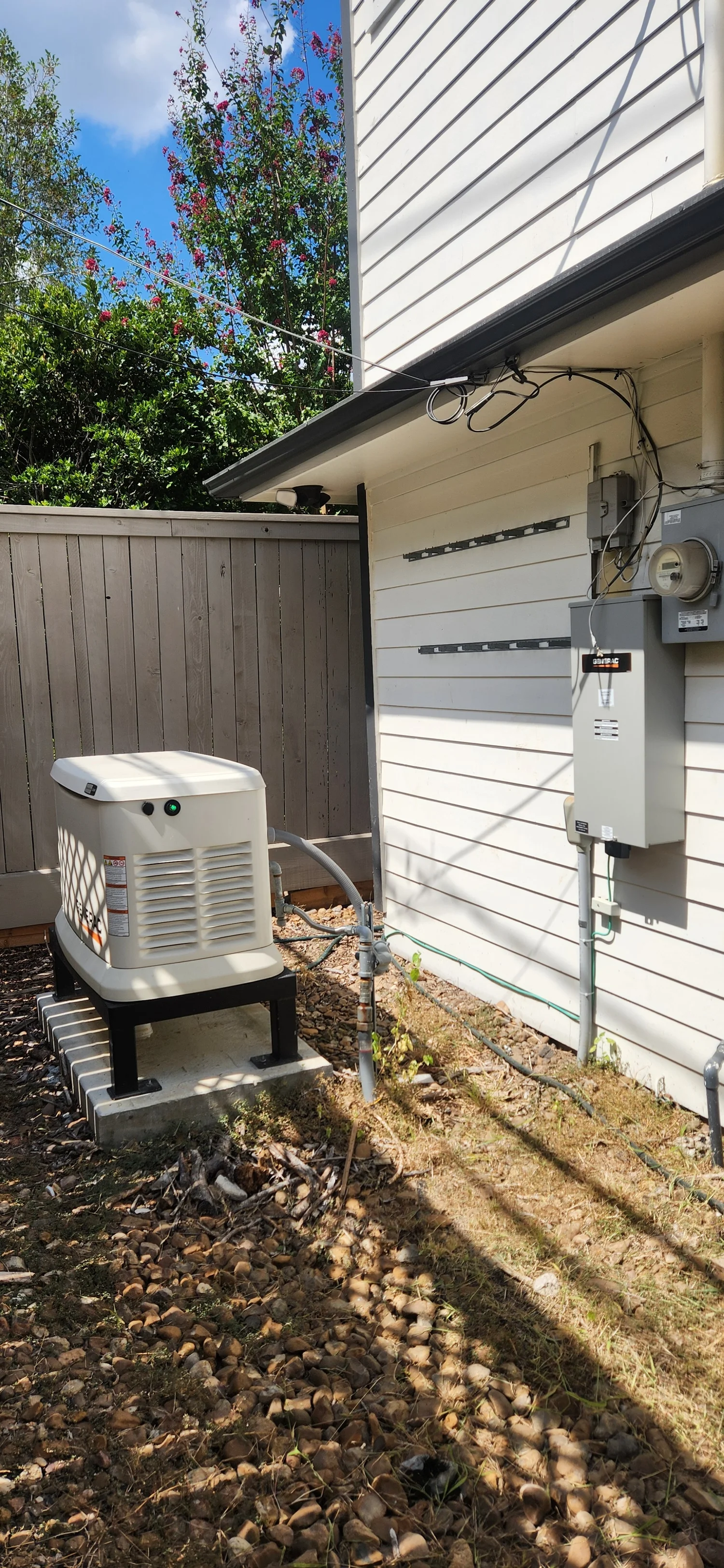
Standby generators should be placed at least 5 to 10 feet awayfrom the house. This distance helps reduce noiseand fumesentering your home. Avoid placing the generator near windows, doors,or ventsto keep exhaust gases safe.
Choose a location that is flat, stable,and clear of debris. The spot should be easy to access for maintenance but away from heavy foot traffic.
- Mount the generator on a solid baselike concrete or gravel.
- Ensure the unit is properly groundedto prevent electrical hazards.
- Follow the manufacturer’s instructions for mounting heightand clearance.
Proper ventilation is crucial. The generator needs open airaround it for cooling and exhaust. Avoid placing it in a closed or tight space. Good airflow helps prevent overheating and buildup of dangerous gases.
Credit: www.arielicustomhomes.com
Legal And Regulatory Requirements
Standby generators must meet local permitrules before installation. Permits ensure the generator is safe and meets building codes. After installation, an inspectionby city officials is often required to confirm compliance.
Zoning laws may limit where a generator can be placed. These rules often control distance from property linesand noise levels. Check with local zoning offices to avoid fines or forced relocation.
Environmental rules protect air and water quality. Generators must not cause excessive pollutionor harm local wildlife. Fuel storage and exhaust placement are also regulated to reduce environmental impact.
Maintenance And Safety Checks
Regular inspectionof your standby generator keeps it safe and reliable. Check for any leaks, loose parts, or dirt. Clean the area around the generator to avoid fire hazards.
Test the carbon monoxide detectorsinside your home often. They protect your family from dangerous fumes. Replace batteries every six months or as needed.
Have a clear plan for emergency shutdown. Know how to turn off the generator quickly if a problem happens. Teach everyone in your home the steps.
- Look for strange noises or smells during operation.
- Check fuel and oil levels regularly.
- Keep vents and exhausts clear of obstructions.
- Ensure proper distance from the house to reduce risks.

Credit: www.achrnews.com
Alternatives To Standby Generators
Portable generatorsare small and easy to move. They work well for short power outages. They need to be kept outsideto avoid fumes. They usually run on gas or propane. These generators are less powerful than standby ones.
Solar power optionsuse sunlight to create electricity. Solar panels can charge batteries during the day. This energy can power small devices at night. Solar power is quiet and clean. It works best in sunny places but may need a backup source.
Battery backup systemsstore energy from the grid or solar panels. They provide instant power during outages. These systems are silentand need little maintenance. Batteries vary in size and capacity. They are good for running essential appliances.

Credit: www.angi.com
Frequently Asked Questions
How Far Should A Standby Generator Be From The House?
A standby generator should be installed at least 5 to 10 feet away from your house. This distance minimizes carbon monoxide risks and ensures proper ventilation. Always follow local codes and manufacturer guidelines for safe placement to protect your home and family.
Why Is Generator Distance Important For Safety?
Proper distance prevents dangerous carbon monoxide buildup near living areas. It also reduces fire hazards and noise impact. Keeping the generator away ensures safe operation and compliance with safety regulations, protecting both your household and property.
Can A Generator Be Placed Closer Than 5 Feet?
No, placing a generator closer than 5 feet is unsafe and often illegal. It increases carbon monoxide risks and fire hazards. Always maintain recommended distances to ensure safety and efficient generator performance.
What Factors Affect Generator Placement Distance?
Factors include local building codes, manufacturer instructions, wind direction, and ventilation needs. Space around the generator must allow maintenance access and reduce noise impact. Proper planning ensures safe, effective installation and operation.
Conclusion
Placing your standby generator at the right distance keeps your home safe. It helps avoid noise and fumes near living spaces. Follow local rules for exact placement guidelines. A good spot protects your family and the generator itself. Check the area for clear airflow and easy access.
Proper distance means your generator works well when you need it. Stay safe and keep your power steady. Simple steps make a big difference in backup power.