
Imagine the peace of mind that comes with knowing your home will never be left in the dark. A home standby generator is your trusty sidekick, ready to spring into action during unexpected power outages.
But have you ever wondered how these generators are powered? Understanding this can give you the confidence to make informed decisions about your home’s backup power source. You’ll discover the simplicity and reliability of these systems, and why they might be the perfect solution for your household.
Let’s unravel the mystery behind the power that keeps your lights on, and see why a home standby generator could be just what you need.
Types Of Home Standby Generators
Natural Gas Generatorsrun on natural gas supplied through pipelines. They provide a steady fuel source and usually require less maintenance. Natural gas is cleaner than diesel or propane, making it a popular choice for home use.
Propane Generatorsuse propane gas stored in tanks. They can be stored for a long time without going bad. Propane burns cleaner than diesel but may require refilling of tanks after use.
Diesel Generatorsrun on diesel fuel. Diesel engines are powerful and reliable for long run times. They need regular fuel refills and more maintenance than natural gas or propane generators.
Credit: www.premium-electric.ca
How Generators Connect To Home Power
A home standby generatorconnects to the house power through special switches. These switches help move power from the main grid to the generator safely.
An automatic transfer switchworks without any help. It senses when power goes out and quickly changes the power source to the generator. This switch keeps important home systems running without delay.
A manual transfer switchneeds a person to switch power sources. The homeowner turns it on or off to use the generator. This type is simple but needs attention during an outage.
Fuel Supply And Storage
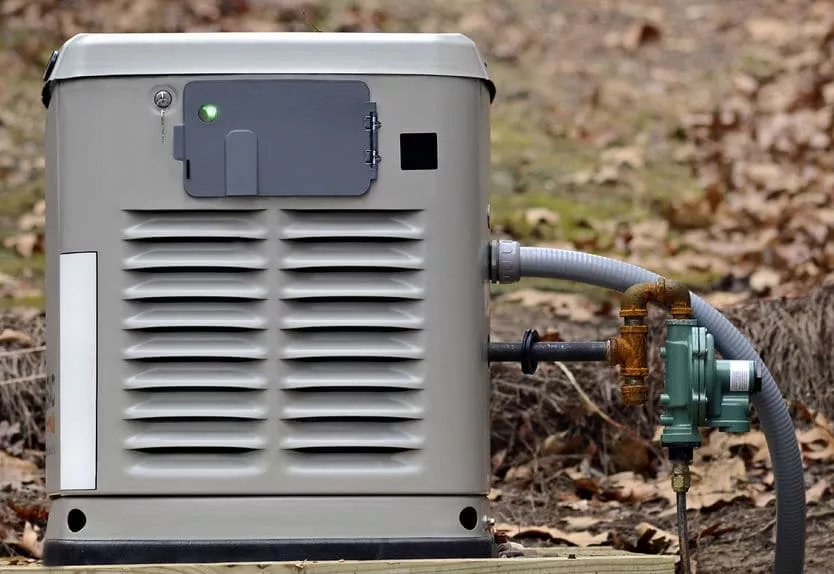
Natural gas supply linesprovide a steady flow of fuel. These lines connect the generator to the main gas line outside the home. This setup allows for uninterrupted powerduring outages. The gas flows directly, so there is no need to refill tanks.
Propane tank installationrequires a safe, outdoor location. Tanks come in various sizes to hold enough fuel for long power outages. Propane must be stored properly to avoid leaks and hazards. Regular checks keep the system safe and functional.
Diesel fuel storageneeds a secure, ventilated area. Diesel tanks store large amounts of fuel for longer use. The fuel should be clean and free from water or dirt. Proper storage helps the generator run smoothly and last longer.

Credit: www.generac.com
Energy Efficiency Of Standby Generators
Fuel consumptionvaries by generator size and load. Smaller generators use less fuel but may not power all appliances. Larger models consume more but handle bigger loads. Fuel type also impacts efficiency; natural gas burns cleaner than propane or diesel. Proper maintenance keeps fuel use low. Regular oil changes and air filter cleaning help.
Load managementmeans controlling how much power the generator uses. Turning off devices not needed saves fuel. Prioritize essential appliances like refrigerators and lights. Some generators adjust fuel use based on load. This saves energy during light use. Smart load management extends run time and lowers costs.
Maintenance Of Generator Power Systems
Checking the fuel systemis important to keep the generator running. Look for leaksor clogsin the fuel lines. Make sure the fuel is clean and fresh. Replace old fuel to avoid damage.
The batteryand other electrical partsneed regular care. Clean the battery terminals and check the charge level. Inspect wires for any wear or damage. Replace parts that look weak or broken.
Testing the generator often helps find problems early. Run the generator under load to check performance. Listen for strange sounds or vibrations. Keep a log of each test and any repairs done.
Safety Considerations For Generator Fueling
Proper ventilationis key for safe generator fueling. Generators produce harmful fumes. These fumes must be cleared away quickly to avoid health risks. Always place generators outdoors or in well-ventilated areas. Avoid running generators in enclosed spaces like garages or basements.
Fuel leak preventionhelps avoid fires and accidents. Use approved containersfor storing fuel. Check fuel lines and tanks often for cracks or leaks. Clean up spills immediately. Never store fuel near the generator or inside your home.
Carbon monoxide riskscome from generator exhaust. Carbon monoxide is a colorless, odorless gasthat can cause poisoning. Install carbon monoxide detectorsin your home. Keep generators away from windows, doors, and vents to stop gas from entering living spaces.
Emerging Technologies In Generator Power
Hybrid fuel systemscombine two or more fuel types to power generators. This helps improve efficiencyand reduces fuel costs. For example, a generator may use both gasoline and propaneor natural gas and diesel. These systems switch fuels automatically or manually, depending on availability. They also lower emissions, making them better for the environment.
Renewable energy integrationmeans using sources like solar or wind poweralongside generators. This can reduce the amount of fuel needed and cut down on pollution. Some generators have built-in systems to store renewable energy in batteries. These batteries can power the home during outages, while the generator fills in when energy runs low.

Credit: www.cummins.com
Frequently Asked Questions
How Does A Home Standby Generator Get Fuel?
A home standby generator typically uses natural gas or propane as fuel. These fuels provide a continuous supply, enabling the generator to run automatically during power outages. Natural gas lines or propane tanks are connected to ensure reliable and efficient power backup for the home.
Can A Home Standby Generator Run On Gasoline?
No, home standby generators usually do not run on gasoline. They are designed to use natural gas or propane for safety and efficiency. Gasoline-powered generators are typically portable and not meant for automatic home standby use.
How Long Can A Home Standby Generator Run Continuously?
A home standby generator can run continuously as long as it has fuel supply. With natural gas or propane, it can operate indefinitely during outages. Proper maintenance ensures optimal performance and longevity of the generator during extended power failures.
Is Natural Gas Or Propane Better For Standby Generators?
Both natural gas and propane are efficient fuels for standby generators. Natural gas offers unlimited supply through pipelines, while propane provides fuel storage flexibility. The choice depends on availability, cost, and homeowner preference.
Conclusion
A home standby generator runs on fuel like natural gas or propane. It starts automatically when power goes out. This keeps your home safe and comfortable. You don’t need to worry about losing electricity. These generators are reliable and easy to use.
Knowing how they work helps you choose the right one. A steady power supply matters during storms or emergencies. Invest in one to protect your home and family. It’s a smart step for peace of mind.