Imagine a storm hits, the power goes out, and your home is plunged into darkness. But not your home.
Your lights stay on, your refrigerator hums quietly, and your life continues without a hitch. How is this possible? The secret lies in Generac Home Standby Generators. These powerful machines stand ready to kick in when the grid goes down, ensuring you never miss a beat.
But have you ever wondered how these generators are powered and what makes them so reliable? Understanding this might be the key to peace of mind during power outages. Stick around, and you’ll uncover how Generac powers your home with ease and efficiency, offering you the security and comfort you deserve.
Generac Home Standby Generators Basics
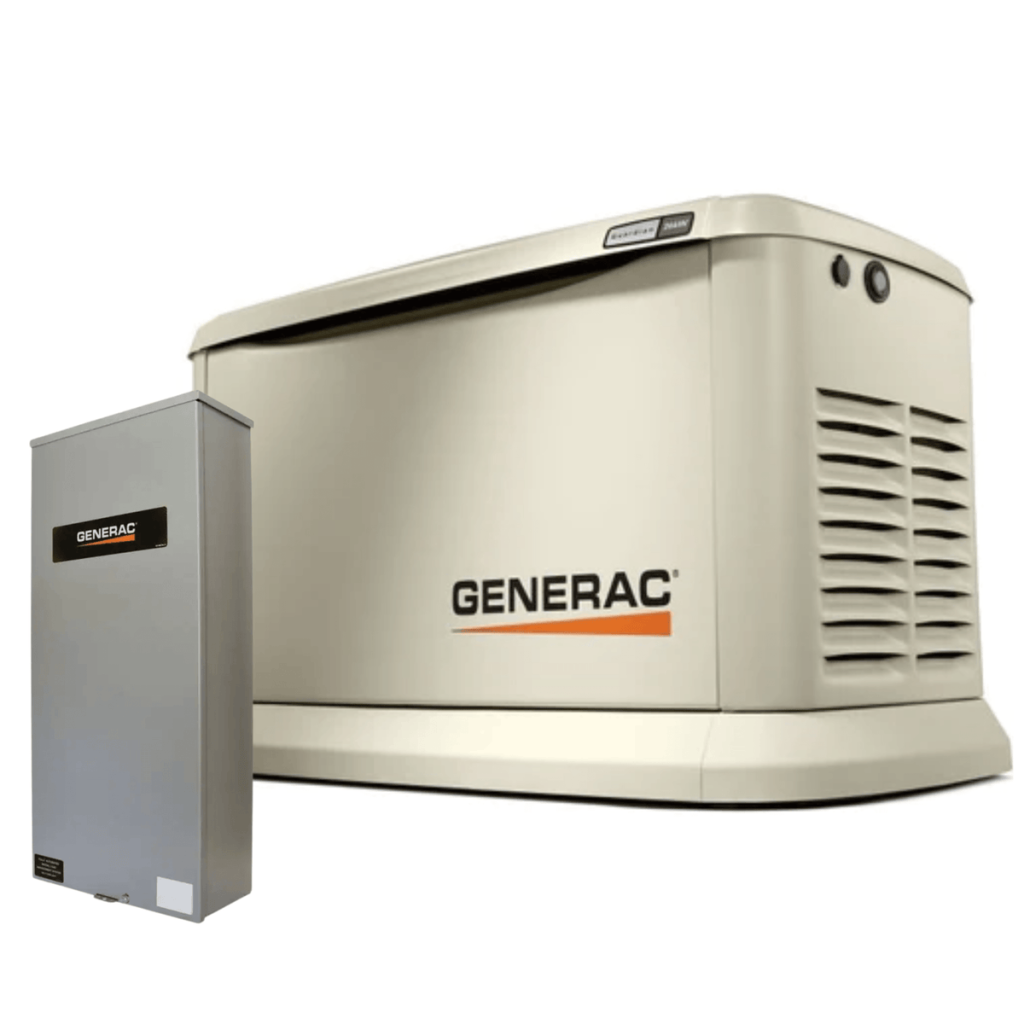
Generac home standby generatorshave several key components that keep them running smoothly. The enginepowers the generator and runs on natural gas or propane. The alternatorconverts mechanical energy into electrical energy. A transfer switchautomatically moves power from the utility to the generator during outages. The control panelallows users to monitor and control the system.
| Power Output Range (kW) | Suitable For |
|---|---|
| 7 – 11 kW | Small homes, essential appliances |
| 14 – 22 kW | Medium homes, multiple appliances |
| 24 – 48 kW | Large homes, whole-house backup |
Credit: www.generac.com
Fuel Options For Generac Generators
Natural gasis a popular fuel for Generac standby generators. It supplies a steady and reliable flow of energy. This fuel connects directly to your home’s gas line, so there is no need to refill tanks.
Liquid propaneis stored in tanks outside your home. It works well in places where natural gas is not available. Propane tanks need to be refilled or replaced when empty.
| Fuel Type | Key Features | Best For |
|---|---|---|
| Natural Gas | Continuous supply, no refills | Homes with gas lines |
| Liquid Propane | Stored in tanks, needs refilling | Areas without natural gas |
| Diesel Variants | High power, needs fuel storage | Heavy duty or commercial use |
Diesel variantsdeliver strong power and last long. They require a diesel tank for fuel storage. Diesel generators often serve larger homes or commercial buildings.
How Fuel Powers The Generator
Fuel delivery systemmoves fuel from the tank to the engine. It uses a pump to push fuel through filters. Filters clean the fuel to keep the engine safe. Fuel lines carry fuel in a steady flow. This system keeps the generator ready to run at any time.
The engine combustion processturns fuel into power. Fuel mixes with air inside the engine. A spark lights the fuel-air mix, causing a small explosion. This explosion moves engine parts, creating energy. This energy powers the generator to make electricity.
Automatic Transfer Switch Role
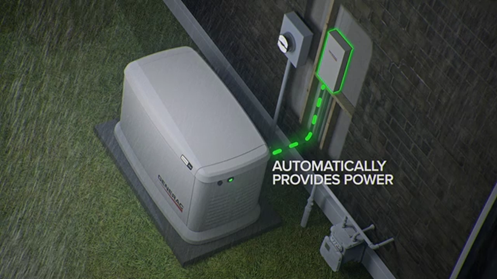
The automatic transfer switchdetects the main power source’s status. It checks if the utility power is normal or lost. When the power goes out, the switch signals the generator to start.
The switching mechanism moves the home’s electrical load from the utility to the generator. This happens quickly and safely, ensuring no interruption in power supply. Once utility power returns, the switch shifts back to the main source and turns off the generator.
Fuel Efficiency And Runtime
Generac home standby generatorsuse fuel efficiently to provide power during outages. Fuel consumption depends on the generator’s size and load. Smaller models use less fuel but run for shorter times. Larger models consume more fuel but can power more appliances.
Fuel type affects consumption rates. Most Generac generators use natural gas or propane. Natural gas is often cheaper and cleaner. Propane stores well and is easy to use in emergencies.
| Fuel Type | Consumption Rate (approx.) | Runtime Estimate |
|---|---|---|
| Natural Gas | 1000-1500 BTU/hr per kW | Continuous as long as gas supply is on |
| Propane | 3000-4000 BTU/hr per kW | 8-24 hours depending on tank size |
Runtime varies by fuel supply and load. Generators can run for days with steady fuel. Propane tanks limit runtime unless refilled. Natural gas offers longer, uninterrupted power.
Maintenance Of Fuel Systems
Fuel linesshould be checked often for cracks or leaks. Damaged lines can cause fuel loss and make the generator unsafe. Clean fuel lines help the generator run smoothly and last longer.
Check the fuel tankfor rust, dents, or leaks. A damaged tank can let dirt or water enter the fuel system. This can cause the generator to stop working or break down.
| Tank Inspection Tips |
|---|
| Look for signs of rust or corrosion |
| Check for dents or physical damage |
| Make sure the tank cap is secure and clean |
| Remove water or debris from the tank |
| Schedule regular inspections at least twice a year |
Installation Considerations
Generators need a fuel sourcenearby. Common fuels include natural gas, propane,and sometimes diesel. The fuel line must be easy to reach and connect. This keeps the generator working without interruptions.
Safety is very important. Local rules say how to install generators. These rules protect your home and family. A licensed professional should follow all safety regulations. Proper placement avoids risks like fire or carbon monoxide.
| Fuel Source | Accessibility | Safety Notes |
|---|---|---|
| Natural Gas | Connected to home’s gas line | Must have shutoff valve nearby |
| Propane | Stored in tanks near generator | Tanks require ventilation and secure placement |
| Diesel | Stored in fuel tanks | Needs regular fuel checks and safe storage |

Credit: www.generac.com
Environmental Impact Of Fuel Types
Generac home standby generatorsmainly use natural gas, propane, or diesel as fuel. Each fuel type has a different impact on the environment. Natural gas produces fewer emissions than diesel but still releases carbon dioxide. Propane burns cleaner than diesel but emits more than natural gas. Diesel fuel creates more harmful gases like nitrogen oxides and particulates, which affect air quality.
| Fuel Type | Carbon Dioxide (CO2) Emissions | Nitrogen Oxides (NOx) | Particulates |
|---|---|---|---|
| Natural Gas | Low | Low | Low |
| Propane | Moderate | Moderate | Low |
| Diesel | High | High | High |
Using sustainable practiceshelps reduce the environmental footprint. Regular maintenance improves fuel efficiency and lowers emissions. Choosing cleaner fuel types also supports better air quality. Some users combine generators with solar panels to reduce fuel use. Waste disposal and proper fuel storage prevent pollution risks.
Credit: www.generac.com
Frequently Asked Questions
How Are Generac Home Standby Generators Powered?
Generac home standby generators are powered by natural gas or liquid propane. Both fuel types provide reliable, automatic power during outages. Natural gas is preferred for continuous supply, while propane is useful where natural gas isn’t available. The choice depends on your home’s fuel access and needs.
Can Generac Generators Use Propane As Fuel?
Yes, Generac generators can use propane as fuel. Propane offers clean, efficient combustion and is stored in tanks onsite. It’s ideal for homes without natural gas lines. Propane ensures your generator runs smoothly during power outages with minimal maintenance.
Does Generac Use Natural Gas For Power?
Yes, many Generac standby generators run on natural gas. Natural gas is a convenient, cost-effective fuel that flows continuously through pipelines. This eliminates the need to refill tanks. It’s a popular choice for homeowners seeking long-term, automatic power backup.
What Fuels Are Compatible With Generac Generators?
Generac generators typically use natural gas or liquid propane. These fuels ensure reliable, clean-burning power generation. Some models may support dual-fuel options for flexibility. Always verify the specific model’s fuel compatibility before purchase.
Conclusion
Generac home standby generators run mainly on natural gas or propane. These fuels keep your power steady during outages. The system starts automatically when power goes out. It works quietly and without much effort from you. Choosing the right fuel depends on your home’s setup.
Regular maintenance helps the generator last longer. This way, your home stays safe and comfortable. Understanding how these generators are powered makes choosing easier. Reliable power, peace of mind. Simple and smart energy backup.