Are you tired of power outages disrupting your daily life or business operations? Wondering just how large of a standby generator you really need?
You’re not alone. Choosing the right size generator can be a daunting task, especially when you want to ensure that your essential appliances and electronics remain powered during those unexpected blackouts. Imagine the relief of knowing your home or business can function seamlessly, no matter the weather or grid issues.
This peace of mind starts with understanding your power needs. In this guide, you’ll discover the key factors that determine the size of generator you require, ensuring you make an informed decision that keeps the lights on and the stress levels down. Dive in to find out how to pick the perfect generator size for your unique needs, and enjoy uninterrupted power whenever you need it most.

Credit: www.generac.com
Factors Influencing Generator Size
Power needs depend on essentialand non-essential loads. Essential loads keep your home safe and comfortable, like lights, fridge, and medical devices. Non-essential loads include items like air conditioners or pool pumps that you might not need during an outage.
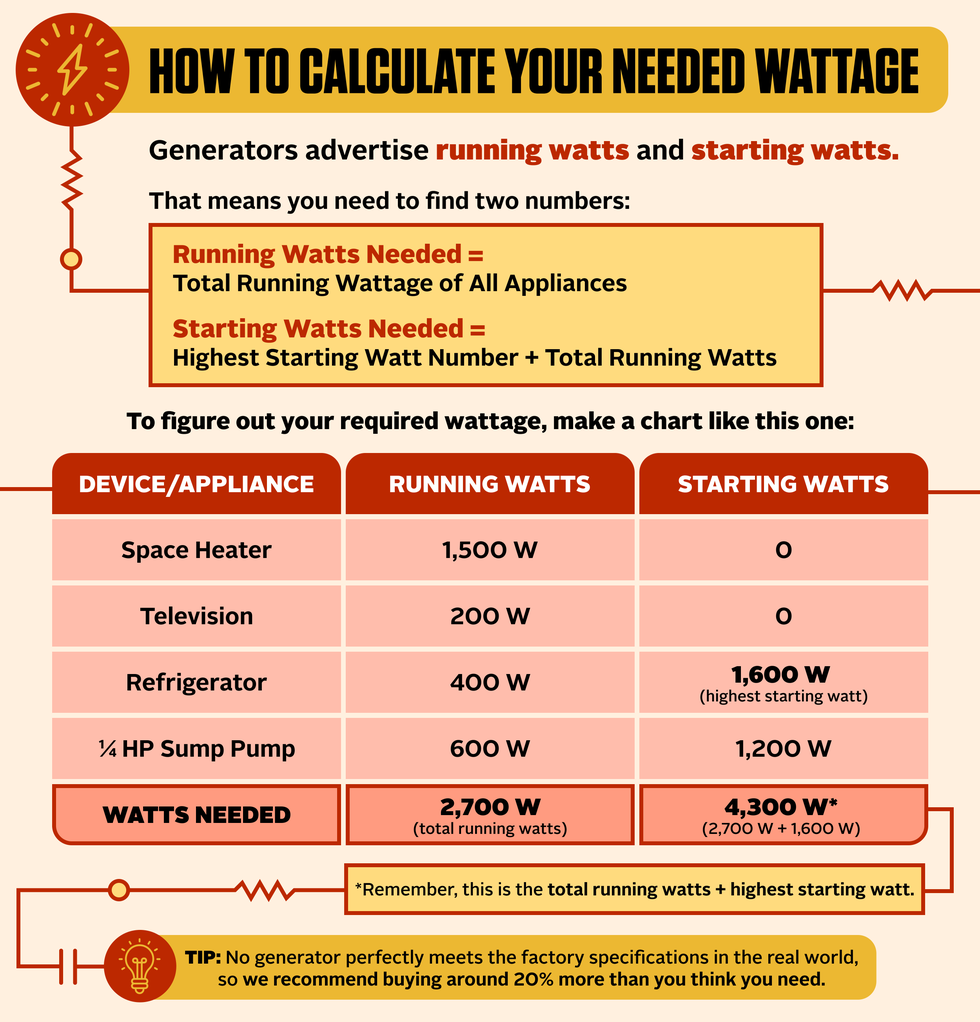
Generators must handle two types of watts: starting wattsand running watts. Starting watts are higher and needed to start motors and appliances. Running watts are the continuous power needed to keep them on.
Plan for future power needs. You might add new appliances or equipment later. Choose a generator size that can handle extra loads to avoid buying a new one soon.
Credit: www.premium-electric.ca
Calculating Your Power Needs
Start by listing all appliancesyou want to power. Include lights, fridge, heater, and TV. Don’t forget small devices like chargers and fans.
Next, find the wattage for each device. This info is on the label or manual. If missing, use average values from a reliable source.
| Appliance | Average Wattage (Watts) |
|---|---|
| Refrigerator | 700 |
| Light Bulb (LED) | 10 |
| TV | 150 |
| Space Heater | 1500 |
Use a load calculatoronline. Enter each wattage to get total power needs. This helps find the right generator size.
Types Of Standby Generators
Portable generatorsare smaller and easy to move. They power a few essential items during an outage. Whole-house generatorsare larger and connect to your home’s electrical system. They power the entire house automatically.
Fuel type affects generator size. Common fuels include gasoline, propane, and natural gas. Gasoline generators are often portable but need refueling. Propane and natural gas generators run longer and are common for whole-house systems.
An automatic transfer switch (ATS)helps move power from the utility to the generator. It starts the generator when power goes out. ATS is important for whole-house generators to keep power seamless and safe.
Common Generator Sizes And Uses
Small capacity generatorsusually range from 1,000 to 5,000 watts. They are good for powering a few essential items like lights, a refrigerator, or a small heater. Perfect for small homes or cabins with limited power needs.
Medium capacity generatorsprovide 5,000 to 10,000 watts. These can run several household appliances at once, including air conditioners, multiple lights, and kitchen appliances. Suitable for medium-sized homes that need more power during outages.
Large capacity generatorsoffer 10,000 watts or more. They can power entire homes or small businesses. These generators handle big loads like central air systems, multiple appliances, and large tools. Best for those who want full backup power without compromise.
Installation Considerations
Choosing the right space and locationis key for standby generator installation. The area must be well-ventilatedand dry. Avoid placing the generator near windows or doors to reduce noise inside the building. There should be enough room for maintenanceand safe operation.
Noise levelsmatter for comfort and local rules. Some generators run quietly, while others can be loud. Check the decibel ratingand choose a model that fits your needs. Placing the generator farther away or using sound barriers can help reduce noise.
Obtaining permits and following regulationsis important. Local laws may require permits for installation. Rules about noise, placement, and fuel storage vary by area. Contact your local authorities before starting installation to avoid fines or delays.
Tips For Choosing The Right Generator
Consulting a professional helps to find the correct generator sizefor your needs. Experts can assess your home’s power requirementsand provide advice on safety and installation.
Efficiency means using a generator that runs well without wasting fuel. Choose models that have good fuel economyand low emissions. This saves money and helps the environment.
- Set a clear budgetbefore shopping.
- Consider initial price and long-term costslike fuel and maintenance.
- Cheaper generators may cost more in repairs.
- Balance cost with quality and efficiency.

Credit: www.hecomfortservices.com
Frequently Asked Questions
How Do I Calculate My Standby Generator Size?
Calculate your total wattage needs by adding essential appliances’ power requirements. Consider starting watts for devices with motors. This ensures the generator can handle peak loads efficiently and prevents overload during power outages.
What Factors Affect Standby Generator Size?
Key factors include your home’s total power usage, essential appliances, and future needs. Consider surge wattage for starting motors and devices. Weather conditions and fuel type also influence generator capacity and performance.
Can I Use A Smaller Generator Temporarily?
A smaller generator can power limited essential devices temporarily. However, it may not handle all appliances simultaneously. Using an undersized generator risks damage and power interruptions, so it’s better for short-term, minimal power needs.
Should I Consider Future Power Needs For Generator Size?
Yes, plan for future appliance additions or home expansions. Choosing a slightly larger generator ensures long-term efficiency and avoids costly upgrades. It provides reliable backup power as your household demands grow.
Conclusion
Choosing the right size for your standby generator is key. It protects your home during power outages. Start by listing essential appliances and their power needs. Add a little extra for safety. A properly sized generator saves money and stress.
Talk to a professional if unsure. This helps avoid buying too big or too small. Stay prepared and keep your home running smoothly. A good standby generator brings peace of mind.