Are you tired of unexpected power outages disrupting your daily life or business operations? Imagine a world where your lights stay on, your refrigerator keeps running, and your home office never misses a beat, no matter what the weather or local power grid is doing.
The secret to achieving this seamless continuity lies in choosing the right standby generator for your needs. But how do you determine the perfect size? In this guide, we’ll break down the essential factors to help you understand exactly “How Large Standby Generator Do I Need.
” With the right information, you can make an informed decision that ensures your home or business remains a beacon of light and activity, even during the darkest of times. Dive in to uncover how to keep your life powered, no matter what comes your way.
Factors Affecting Generator Size
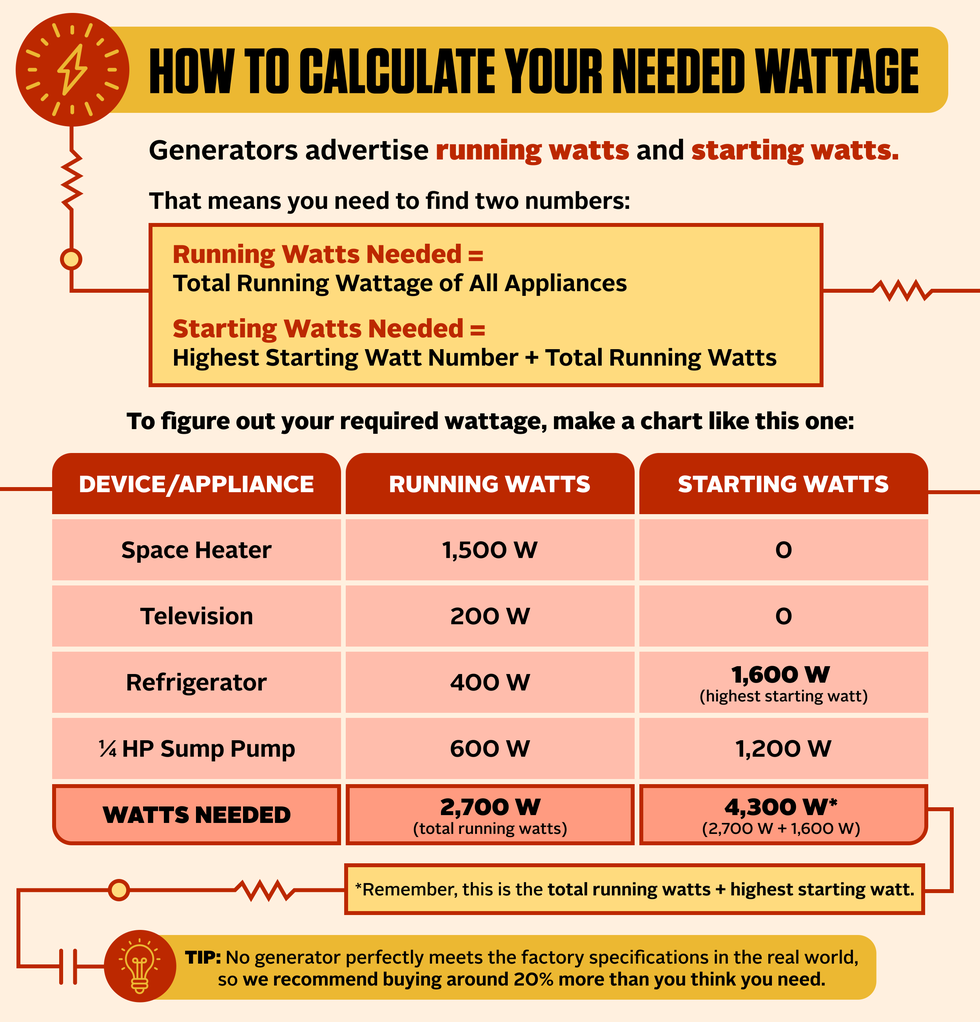
Power requirementsdetermine the size of a standby generator. Calculate the total wattage of all devices you want to power. This includes lights, appliances, and machines.
Starting loadis the extra power needed to start motors or compressors. It is usually 2 to 3 times the running load. The generator must handle this spike without shutting off.
Running loadis the steady power used once devices are running. It is important to know both starting and running loads to pick the right generator size.
Separate essential loadslike refrigerators, heaters, and medical devices from non-essential loadssuch as TVs and pool pumps. Prioritize essential loads to avoid oversizing the generator.
- Calculate total wattage of all devices
- Include starting and running loads
- List essential vs non-essential devices
- Choose generator size based on essential load plus starting surge
Calculating Your Power Needs
Begin by making a list of all appliances and equipmentyou want to power. Include items like refrigerators, lights, fans, and heaters. This helps know what loads the generator must handle.
Estimate the wattageof each item. Check labels or manuals for power use in watts. If only amps are listed, multiply amps by voltage (usually 120V) to get watts.
| Appliance | Typical Wattage |
|---|---|
| Refrigerator | 600 – 800 watts |
| Light bulb (LED) | 10 – 20 watts |
| Ceiling fan | 50 – 75 watts |
| Microwave | 800 – 1200 watts |
Think about future expansion. Plan for extra power needs if you add appliances later. Add 10-20% more wattage to your total estimate. This keeps your generator from running at full load all the time.
Types Of Loads And Their Impact
Resistive loadsuse power in a simple way. Examples include lights and heaters. They draw current and power evenly. No extra power is needed at start-up. This makes them easy for generators to handle.
Inductive loadsinclude devices like transformers and fluorescent lights. They need extra power at the beginning to start. This extra power is called inrush current. It can be 2 to 7 times the normal running power. Generators must be sized to handle this surge.
Motor loadsare common in pumps, compressors, and fans. They also have a high start-up current. This can be 3 to 7 times their normal power. The generator must supply enough power for these starts without dropping voltage.
Generator Sizing Methods
Manual calculation involves adding the power needs of all devices. Add watts for each item you want to run during an outage. Include starting watts for devices with motors. Multiply the total by 1.25 for safety. This method gives a rough idea of the generator size needed.
Using online calculators can simplify the process. Enter your appliances and their power use. The tool adds and adjusts numbers for you. It gives a good estimate fast. But, always check the results with other methods.
Consulting professionals ensures the most accurate size. Experts consider your home’s wiring and special needs. They recommend a generator that fits your situation. This approach reduces errors and improves safety.
Common Generator Sizes And Uses
Small residential generatorsusually provide between 5,000 to 10,000 watts. They power essential home appliances like refrigerators, lights, and small heating systems. These generators are compact and easy to install. They suit homes with basic power needs during outages.
Medium commercial generatorsoffer 20,000 to 100,000 watts. They support small businesses, offices, and stores. These generators run multiple machines and systems simultaneously, ensuring smooth operation during power cuts.
Large industrial generatorssupply over 100,000 watts. They power factories, hospitals, and big warehouses. These are heavy-duty machines designed for continuous use and high energy demand.

Credit: www.generac.com
Fuel Types And Efficiency
Diesel generatorsare known for their high power outputand durability. They work well in heavy-dutyapplications and last a long time. Diesel fuel is easy to store but can be expensive.
Natural gas generatorsuse fuel from pipelines. They are cleanerand produce fewer emissions. These generators need a steady gas supply and often cost less to run.
Propane generatorsuse liquid propane fuel. They are portableand easy to store. Propane burns cleanly and is good for short-termor backup power needs.
Installation Considerations
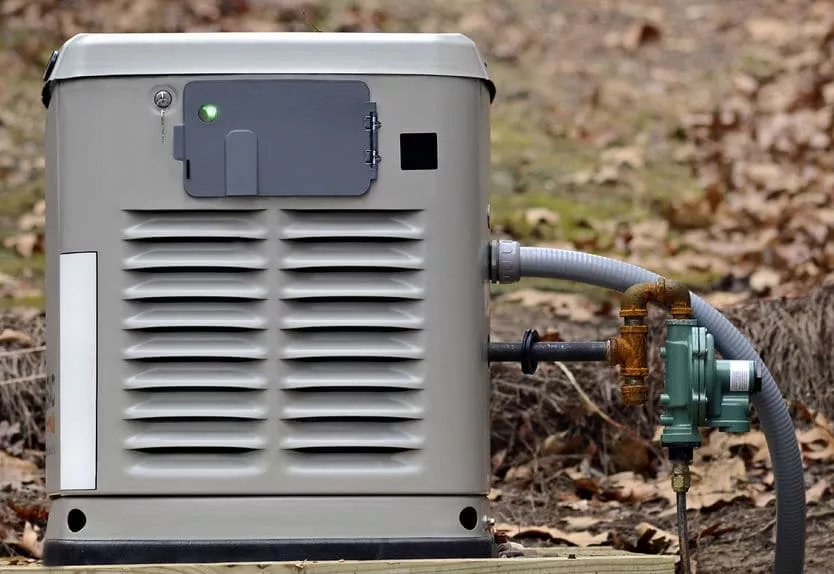
Location and Spacematter a lot for installing a standby generator. The generator needs to be placed where it has good air flow. It should be away from windows and doors to avoid fumes entering the house. Space should be enough for easy access during repairs or checks.
Noise Levelscan affect your comfort and neighbors. Choose a generator with low noise output. Some models have soundproof covers to reduce noise. Placement also helps; placing it behind a fence or wall can block some sound.
Maintenance Needsare important for long-term use. The generator needs regular oil changes and battery checks. Easy access to parts and a clear space around it help with quick maintenance. Plan a schedule to keep it working well.
Credit: www.premium-electric.ca
Cost Factors In Generator Selection
Initial purchase priceis a big factor in choosing a generator. Bigger generators cost more upfront. Prices depend on power output and brand. A cheaper model might save money now but cost more later.
Operating costsinclude fuel and maintenance. Larger generators use more fuel. Diesel is common and can be costly. Regular checks keep the generator running well and prevent big repairs.
Long-term savingshappen when a generator is efficient. Energy-efficient models use less fuel. This cuts operating costs over time. Investing more now might save money later.

Credit: www.hecomfortservices.com
Frequently Asked Questions
How Do I Calculate Generator Size For My Home?
Calculate your home’s total wattage needs by adding all essential appliances’ power ratings. Include startup watts for motors. Choose a generator that exceeds this total to ensure reliable power.
What Factors Affect Standby Generator Size?
Consider your home’s electrical load, appliance startup watts, and future power needs. Also, account for generator efficiency and fuel type when selecting the appropriate size.
Can A Generator Handle Whole-house Power?
Yes, a large standby generator can power an entire house. Ensure the generator’s capacity matches your home’s peak power requirements for seamless operation.
Is It Better To Oversize Or Undersize A Generator?
It’s better to slightly oversize to handle startup surges and future needs. Undersizing risks power shortages and equipment damage.
Conclusion
Choosing the right size for your standby generator matters a lot. Too small, and it won’t power your home properly. Too large, and you waste money and energy. Think about what devices and appliances you need during an outage. Add their power needs together to find the best fit.
A well-sized generator keeps your home safe and comfortable. Take your time, plan carefully, and ask experts if needed. This way, you stay prepared when the power goes out.