
Imagine a storm hits, and suddenly, your home is plunged into darkness. The refrigerator stops humming, the heater goes silent, and your phone’s battery is dangerously low.
It’s a situation no one wants to face. This is where a large standby home generator becomes your best ally. Are you tired of being at the mercy of unpredictable power outages? Do you want to ensure your home remains a sanctuary, no matter the weather?
Discover how a large standby home generator can offer you peace of mind, protecting your home and keeping your life uninterrupted. Stick around to find out how this powerhouse of energy can transform your home’s resilience and why it might just be the best investment you ever make.
Benefits Of Large Standby Generators
Large standby generatorsprovide a reliable power supplyduring outages. They start automaticallywithout any effort from you. This means no waiting or manual setup is needed. The generator turns on within seconds after a power failure.
These generators have enough capacity for the whole home. They power lights, appliances, and heating systems all at once. This keeps your home comfortable and safe.
Enhanced safety featuresinclude automatic shutoff if a problem is detected. This prevents damage or accidents. Many models also monitor fuel levels and engine health for worry-free use.
Key Components Of Standby Generators
The engine and alternatorwork together to create power. The engine runs on fuel and turns the alternator. The alternator changes this motion into electricity.
The transfer switchmoves the electricity source from the main power grid to the generator. It keeps power flow safe and steady.
The control panellets you start, stop, and check the generator. It shows important info like power output and fuel level.
The fuel supply systemstores and delivers fuel to the engine. It can use natural gas, propane, or diesel. This system keeps the generator running during outages.
Installation And Maintenance Essentials
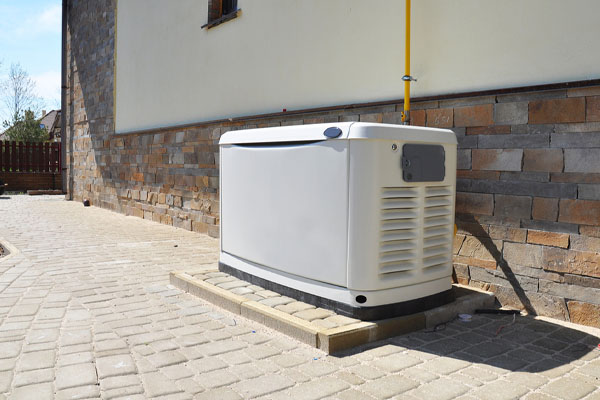
Proper sizingensures the generator can power your whole home. A unit too small may fail during outages. Place the generator on a flat, stable surface outdoors. Keep it away from windows and doors to avoid fumes entering the home. Good ventilation is key for safe operation.
Routine inspections catch small issues before they become big problems. Check oil and coolant levels regularly. Look for leaks, loose parts, and corrosion. Run the generator monthly to keep it ready. Keep the area around the unit clear of debris and plants.
Fuel managementis vital for reliable power. Store fuel safely in approved containers. Use fresh fuel to avoid clogs and engine problems. If storing fuel long-term, add stabilizers to keep it fresh. Regularly check fuel lines and tanks for leaks or damage.
Professional servicing keeps your generator in top shape. Schedule yearly inspections and tune-ups by trained technicians. They will test electrical connections, replace worn parts, and update software. Proper maintenance extends the generator’s life and boosts performance.
Credit: columbusenergies.com
Common Applications And Use Cases
Large standby home generators keep power running during outages, ensuring comfort and safety. They support essential appliances, lights, and heating systems without interruption. Ideal for areas with frequent storms or unreliable electricity.
Residential Power Backup
Large standby home generators provide reliable powerwhen the main electricity goes out. They keep essential appliances running, like refrigerators, heaters, and lights. This helps families stay safe and comfortable during outages. These generators start automatically and work quietly.
Support During Natural Disasters
During storms, floods, or earthquakes, power can be lost for days. Large standby generators offer continuous electricityto homes and emergency systems. They help keep communication devices active and preserve food and medicine. This support is vital for safety and recovery.
Power For Remote Locations
Remote homes or cabins often lack access to the power grid. Standby generators provide a steady power supplyin these areas. They allow people to use lights, heating, and appliances without interruption. This makes remote living easier and more comfortable.
Business Continuity
Small businesses rely on large standby generators to avoid downtime. They keep computers, cash registers, and security systemsrunning during outages. This helps protect data and maintain sales. Business owners can serve customers without interruption.
Cost Considerations And Investment Value
Initial setup costsfor a large standby home generator include the price of the unit and professional installation. Costs vary based on power capacity and fuel type. You may also need electrical upgrades, which add to expenses. These upfront expenses can seem high but are essential for reliable backup power.
Long-term savingscome from avoiding damage caused by power outages. Generators keep your home running, protecting appliances and electronics. They also reduce the need for costly alternative power sources like rental units or fuel purchases during outages.
| Warranty and Support | Details |
|---|---|
| Standard Warranty | Often 5 years on parts and labor |
| Extended Warranty | Available for added peace of mind |
| Customer Support | Professional help for installation and repairs |
Return on investmentdepends on how often power outages occur. Frequent outages make generators more valuable. They also increase home value and appeal to buyers who want safety and convenience.

Credit: www.generac.com

Credit: www.cummins.com
Frequently Asked Questions
What Size Standby Generator Do I Need For My Home?
To determine the right size, calculate your home’s total wattage needs. Consider essential appliances and systems during outages. Typically, 20-22 kW generators suit average homes, but larger homes may require 30 kW or more for full power backup.
How To Calculate Power Needs For A Standby Generator?
List all appliances and their wattage. Add starting and running watts to find total load. Prioritize critical items to avoid oversizing. This calculation ensures your generator supports essential functions without wasting energy or money.
Can A Large Standby Generator Power An Entire House?
Yes, a properly sized large standby generator can power an entire home. It supports all electrical loads during outages, including HVAC, kitchen, and lighting. Ensure the generator capacity matches your home’s total wattage requirements for optimal performance.
How Long Can A Standby Generator Run Continuously?
Standby generators can run for 24-48 hours continuously with proper fuel supply. Diesel and natural gas models offer longer runtimes. Always follow manufacturer guidelines for maintenance and refueling to ensure safe, reliable operation during extended outages.
Conclusion
Choosing the right large standby home generator keeps your power steady. It protects your family during outages and saves you stress. Consider your home’s size and energy needs before buying. Regular maintenance helps the generator run smoothly for years. A reliable generator means comfort and safety when electricity fails.
Take time to research and plan for best results. Ready for power peace of mind? A large standby generator makes all the difference.