
Imagine a stormy night when the power goes out, and you’re left in the dark. Your food starts to spoil, your devices lose charge, and your home becomes an uncomfortable place.
But what if you had a home standby generator? These powerful machines can keep your life running smoothly when the grid fails. Yet, a crucial question lingers: how long can a home standby generator run? Understanding the runtime of your generator can save you from unexpected surprises and ensure your peace of mind during power outages.
We’ll unravel the factors that affect your generator’s performance and provide you with insights to make informed decisions. Stick around to learn how to keep your home powered and safe no matter how long the storm lasts.
Home Standby Generator Basics
Home standby generators provide power automatically during outages. They run on different fuels like natural gas, propane,or diesel.These generators connect directly to your home’s electrical system. They start within seconds of a power failure.
Different types serve different needs:
- Portable generators:Small, easy to move, for short-term use.
- Standby generators:Larger, fixed, for whole-house power backup.
- Inverter generators:Quiet, fuel-efficient, good for sensitive electronics.
Common benefits include:
- Continuous power during storms or blackouts
- Protecting appliances from damage
- Improving home safety and comfort
- Maintaining heating or cooling systems
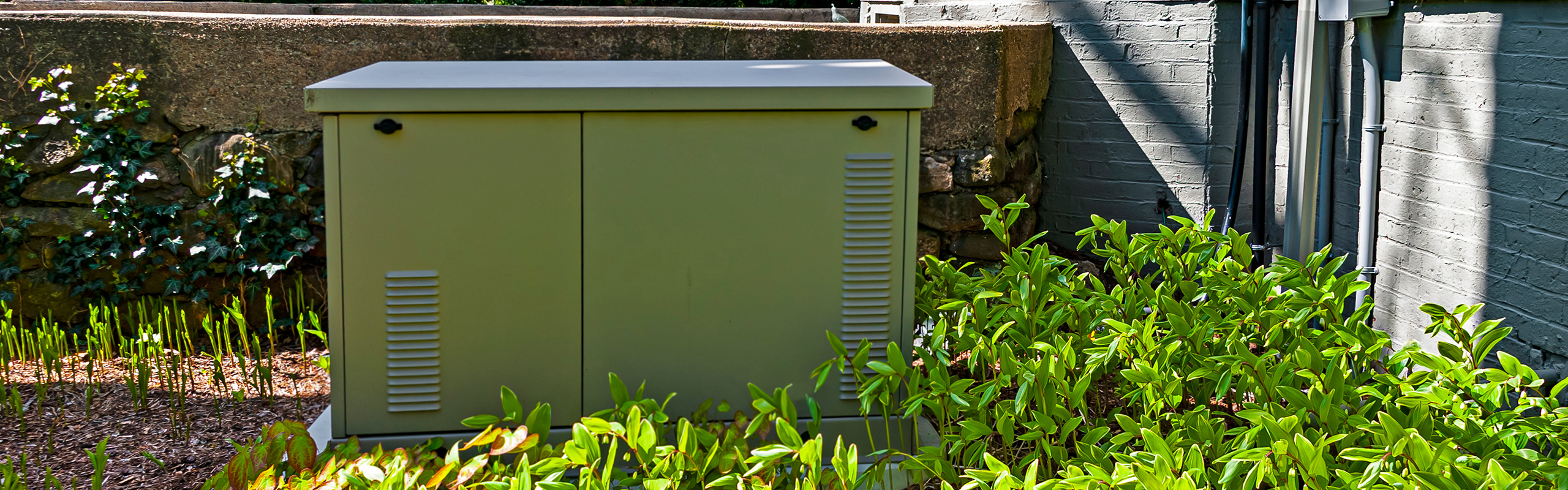
Credit: www.abt.com
Factors Affecting Runtime
Fuel typeplays a big role in how long a standby generator runs. Natural gas generators can run for days without refueling. Propane models may need refilling after about 24 hours. Diesel generators run long but require fuel storage. The size of the fuel tank also matters. Bigger tanks mean longer running time.
Load demandaffects runtime too. A generator running many devices uses more fuel and stops sooner. Lower power use means longer runtime. Turning off unused appliances helps save fuel.
Weather and environmentimpact generator performance. Cold weather can reduce fuel efficiency and battery life. Hot weather may cause overheating, shortening run time. Proper ventilation and shelter improve generator life and runtime.
Fuel Sources Explained
Natural gas generatorsconnect directly to your home’s gas line. They can run for days or weekswithout refueling. This fuel is usually cheaper and cleaner than others. The supply is steady, so power outages won’t stop the fuel flow.
Propane generatorsuse tanks that store fuel. They can run for 8 to 24 hours, depending on tank size. Propane is clean burning and stores well for long periods. You need to refill or swap tanks when empty.
Diesel generatorsare known for high power and durability. They can run for long hoursbut need regular refueling. Diesel fuel is easy to store but can degrade over time. These generators are common for heavy use.
Typical Runtime Expectations
Short-term power outagesusually last a few hours. Most home standby generators run continuously during these periods without trouble. They switch on automatically when power fails and turn off when it returns. This makes them perfect for quick, reliable backup.
Extended power failurescan last days or even weeks. Home standby generators can run for long hours, but fuel supply limits their operation time. Natural gas or propane can provide longer runtimes compared to gasoline. Regular maintenance ensures they keep running safely and efficiently.
| Type of Outage | Typical Runtime | Fuel Type Impact |
|---|---|---|
| Short-Term | Several hours | Fuel usually not a concern |
| Extended | Days to weeks | Natural gas/propane preferred |
Maximizing Generator Runtime
Efficient load managementhelps stretch generator runtime. Turn off devices not needed. Use only essential appliances at a time. Lowering power use saves fuel and extends operation hours.
Regular maintenance keeps the generator in good shape. Check oil and filters often. Replace worn parts quickly. Clean the unit to avoid dust build-up. Well-maintained generators last longer and run more smoothly.
Fuel storage matters for longer use. Store fuel in approved containersand keep them in a cool, dry place. Avoid old fuel, as it loses power. Rotate fuel supply regularly to keep it fresh.
Safety Considerations
Proper ventilationis crucial for safe generator use. Exhaust fumes contain deadly carbon monoxide. Always place the generator outdoors, far from windows and doors. Never run it inside garages or basements. Good airflow helps prevent gas build-up and keeps your home safe.
Carbon monoxide risksare serious. This gas is invisible and odorless but can cause poisoning or death. Install carbon monoxide alarms near living spaces. Check alarms often to ensure they work. Always treat generator fumes as dangerous.
- Store fuelin approved containers only.
- Keep fuel away from heat sources and flames.
- Turn off the generator and let it cool before refueling.
- Use fresh fuel to avoid clogs and damage.
- Avoid spills and clean up immediately if any happen.
Cost Implications Of Runtime
Fuel consumption costsdepend on the generator’s size and fuel type. Larger generators use more fuel per hour. Running a generator for many hours can increase fuel bills. Diesel and propane usually cost more than natural gas but last longer. Efficient fuel use saves money. Fuel prices can change, affecting total costs.
Maintenance expensesinclude regular oil changes, filter replacements, and inspections. Generators running longer need more frequent service. Parts wear out faster with extended use. Keeping up with maintenance prevents costly repairs. A well-maintained generator runs better and lasts longer. Budgeting for these expenses is important for long-term savings.

Credit: www.angi.com
Signs Of Overuse And When To Stop
Running a home standby generator too long can cause overheating and fuel issues. Watch for unusual noises, smoke, or power fluctuations. Stop the generator immediately if any signs of overuse appear to prevent damage.
Overheating Indicators
Overheatingis a key sign your generator needs a break. If the unit feels very hot or smells like burning, it may be overheating. Loud noises and frequent shutdowns can also mean the generator is too hot. This can cause damageto the engine. Stop the generator immediately to avoid costly repairs.
Performance Drops
A drop in power outputshows the generator is struggling. Devices may run slower or flicker. The generator may also run unevenly or stall often. These signs mean the machine is working too hard. It is best to turn offthe generator and let it cool down. This helps keep it safe and working longer.
Alternatives For Extended Power Backup
Battery backup systemsstore energy to use when the power goes out. They work quietly and need little maintenance. These systems can run small appliances and lights for hours. Batteries can be recharged by the generator or solar panels. The backup time depends on battery size and load.
Solar power integrationuses the sun to keep the power on. Solar panels charge batteries during the day. This setup can extend power backup for days without fuel. It is eco-friendly and lowers energy costs. Solar systems need enough panels and batteries for reliable backup.

Credit: www.angi.com
Frequently Asked Questions
How Long Can A Home Standby Generator Run Continuously?
A home standby generator can run continuously for 24 to 48 hours. Runtime depends on fuel type and tank capacity. Proper maintenance ensures longer, reliable operation during power outages.
What Limits A Standby Generator’s Running Time?
Fuel availability and engine cooling systems primarily limit running time. Overheating or fuel depletion stops operation. Regular checks and sufficient fuel storage extend generator runtime safely.
Can A Standby Generator Run Indefinitely During Outages?
No, a standby generator cannot run indefinitely. Fuel supply and mechanical wear restrict continuous use. Scheduled breaks and maintenance prevent damage and ensure safe, efficient performance over time.
How Does Fuel Type Affect Generator Runtime?
Fuel type greatly impacts runtime; propane lasts longer than gasoline. Natural gas provides unlimited runtime if supply is steady. Choose fuel based on availability and backup needs for optimal operation.
Conclusion
A home standby generator can run for many hours without stopping. The exact time depends on fuel type and tank size. Regular maintenance helps the generator run longer and better. It keeps your home powered during outages. Knowing how long your generator lasts helps you plan ahead.
Stay prepared and keep your family safe. A reliable generator means less worry when the power goes out. Simple care extends its life and performance. Remember, safety first when using any generator.