Imagine a sudden power outage at your home. Darkness surrounds you, and the hum of daily life comes to a standstill.
In such moments, your standby generator becomes your lifeline, promising to restore light and comfort. But how long can it keep running? You might be wondering if your generator has the endurance to keep your home powered during extended outages.
Understanding this can be crucial for planning and peace of mind. By grasping the capabilities and limitations of your standby generator, you can ensure that your family stays safe and your home remains functional. Dive into the details, because knowing how long your generator can run continuously could be the difference between a seamless transition and an unexpected challenge.
Factors Affecting Generator Run Time
Fuel type and capacity influence how long a standby generator can run continuously. Regular maintenance ensures longer run times. Environmental conditions like temperature also affect efficiency and duration.
Fuel Type And Capacity
Generators use different fuels like diesel, gasoline, or natural gas. Each fuel type affects how long a generator can run. Diesel generally offers longer run times. The size of the fuel tank also matters. A bigger tank means the generator can run longer. Regular checks on fuel levels help avoid unexpected stops.
Engine Design And Efficiency
Generators have different engine designs. Some are more efficient than others. An efficient engine uses less fuel for the same work. This means it can run longer on the same amount of fuel. Maintenance is key for engine efficiency. Clean and well-tuned engines perform better.
Environmental Conditions
Weather affects generator performance. Cold weather can make starting harder. Hot weather can cause overheating. Generators need proper ventilation. This helps them run smoothly in any condition. Dust and dirt can clog parts. Keeping the generator clean helps it run longer.
Credit: www.engineersupply.com
Manufacturer Recommendations
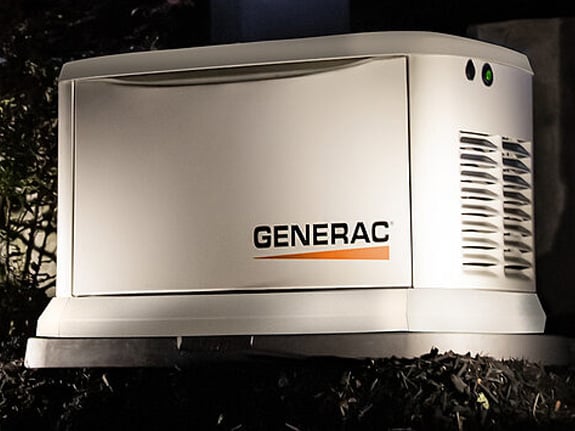
Most manufacturers advise running a standby generatorfor a limited time. Generators can run between 24 to 72 hoursstraight. This depends on the fuel capacityand engine design. Always check the manualfor specific details. Guidelines help prevent overheatingand engine damage. Ensure the generator has enough ventilation. Keep it in a safe spot. Never run indoors. Follow these guidelines for safety.
Regular maintenancekeeps the generator in top shape. Check the oil leveloften. Refill when needed. Inspect the air filtersfor dirt. Clean or replace them. Look at the coolant levels. Make sure they are correct. Tighten any loose partsyou see. This prevents accidents. Keep a maintenance log. Record all checks and fixes. Proper care extends the generator’s life.
Potential Risks Of Extended Use
Generators work hard to keep power on. Continuous use can cause wear and tear. Parts like the engine and alternator may get tired. Belts can become loose. Filters may clog. Oil needs regular checks. Ignoring these can lead to breakdowns. Always check parts for any damage.
Running for long can cause overheating. Heat can damage internal parts. It’s important to cool the generator. Use a fan or keep it in a ventilated area. Always monitor the temperature gauge. A hot generator might stop working. Safety is crucial. Turn it off if it gets too hot.
Maintenance Tips For Longevity
Standby generators can run continuously for 24 to 200 hours, depending on fuel supply and maintenance. Regular checks on oil levels, coolant, and filters extend their life. Always consult the manufacturer’s guidelines for specific running limits.
Regular Inspections
Regular inspections keep your standby generator working well. Check for any loose wiresor parts. Listen for unusual noises. Clean the generator to remove dust and dirt. Make sure the vents are clear. This helps the generator breathe. Inspect the battery and fuel system. Keep them in good condition. Regular checks can prevent major problems.
Oil And Filter Changes
Oil and filter changes are important for a generator. Fresh oil keeps the engine parts moving smoothly. Change the oil regularly to avoid buildup. Dirty oil can harm the engine. Replace the oil filter when changing the oil. A clean filter ensures good oil flow. Follow the manufacturer’s guidelines for oil change frequency. This helps extend the generator’s life.
Alternative Solutions For Continuous Power
Battery backup systems offer a simple power solution. They store energy for use during outages. Batteries can supply power for hours. They are silent and need little maintenance. Most systems automatically switch on during power loss. Users don’t need to activate them manually. Solar panels can recharge the batteries. This provides a renewable energy source. Batteries are safe and eco-friendly. They don’t produce harmful emissions. They are useful for homes and small businesses.
Hybrid power combines different energy sources. Solar panels and wind turbines are often used. Generators can also be part of hybrid systems. They offer reliable and continuous power. Hybrid options reduce reliance on one source. This makes them more dependable. They can save money on energy bills. Systems can be customized for different needs. Hybrid power is flexible and adaptable. It is suitable for remote areas and off-grid living.
Credit: www.abt.com
Expert Opinions On Continuous Use
How Long Can a Standby Generator Run Continuously Standby generators can run for extended periods, but expert opinions suggest monitoring fuel and oil levels regularly. It’s crucial to ensure proper maintenance to prevent overheating and wear.
Industry Standards
Standby generators are built to run for long hours. Industry standards suggest they can run up to 500 hours continuously. This depends on the model and fuel type. Diesel generators often have longer running capabilities. Regular maintenance is important for safe operation. Experts advise checking oil levels frequently. Ensure proper ventilation to prevent overheating.
User Experiences
Many users report positive experiences with standby generators. Most say their generators run smoothly for several days. Some prefer using generators during power outages only. Others use them for long camping trips. Users emphasize the importance of monitoring fuel levels. Proper care helps extend the generator’s life. It’s crucial to listen for unusual sounds. This may indicate a problem needing attention.
Credit: generatorsupercenter.com
Frequently Asked Questions
How Long Can You Continuously Run A Standby Generator?
A standby generator can run continuously for 200-500 hours, depending on fuel type and maintenance. Check the manufacturer’s guidelines for specific limits. Regularly inspect and refuel to ensure safe and efficient operation.
How Long Can You Run A Generac Standby Generator?
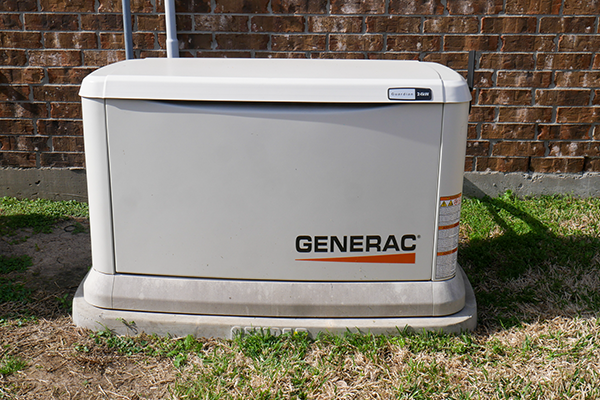
A Generac standby generator can run continuously for about 200 hours with regular maintenance and adequate fuel supply. Always check the manufacturer’s guidelines for specific recommendations to ensure safety and efficiency.
Can Generac Generators Run 24-7?
Generac generators can run 24-7, but regular maintenance is essential. Ensure proper fuel supply and monitor oil levels. Overworking without breaks can reduce lifespan. Always follow the manufacturer’s guidelines for optimal performance and longevity.
Is It Okay To Let A Generator Run All Night?
Running a generator overnight is okay if it’s safe and well-maintained. Ensure proper ventilation to avoid carbon monoxide buildup. Regularly check fuel levels and follow manufacturer guidelines for continuous operation. Always prioritize safety and efficiency when using generators for extended periods.
Conclusion
Standby generators are essential for continuous power. Their runtime varies by type and fuel. Regular maintenance ensures longer operation. Diesel generators often run longer than gas ones. Fuel availability impacts runtime duration. Always check your generator’s specifications. Understand its capacity and limits.
Plan for fuel storage wisely. Regular inspections prevent unexpected shutdowns. Safety measures are crucial during extended use. Know your generator’s emergency protocols. Power outages can happen anytime. Be prepared with a reliable standby generator. It keeps your home running smoothly.
Consider your needs when choosing one. Always prioritize safety and efficiency.