
Have you ever wondered how long your standby generator can keep your home powered during an outage? Knowing the answer is crucial because it helps you plan for emergencies without worrying about when your power might cut off again.
You’ll discover exactly how long a standby generator can run continuously, what factors affect its runtime, and how to get the most out of your investment. Keep reading to make sure your home stays safe and powered no matter what happens.

Credit: www.angi.com
Standby Generator Basics
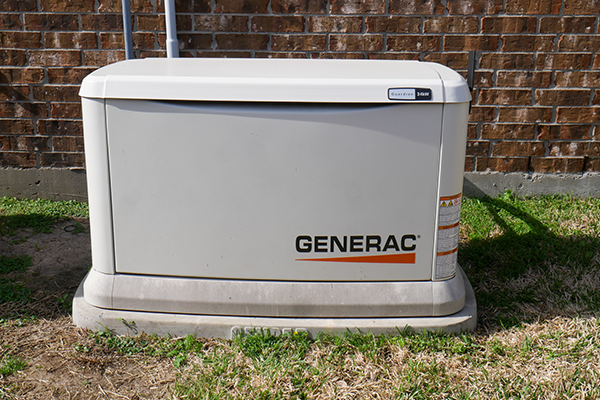
A standby generatorprovides power when the main source fails. These generators start automatically during power outages. They keep homes and businesses running smoothly.
Types Of Standby Generators
- Portable generators:Easy to move but need manual setup.
- Automatic standby generators:Start on their own and connect to home power.
- Natural gas vs. diesel generators:Use different fuels with different run times.
Key Components
- Engine:Powers the generator.
- Alternator:Converts mechanical energy into electricity.
- Transfer switch:Switches power from grid to generator.
- Fuel system:Supplies fuel for long operation.
- Control panel:Monitors and controls generator functions.
Common Uses
- Powering homes during outages.
- Supporting businesses to avoid downtime.
- Providing electricity on construction sites.
- Keeping medical facilities running safely.
Factors Affecting Runtime
Fuel typeplays a big role in how long a standby generator runs. Generators using natural gasor propanecan run longer without refilling. Those powered by gasoline or diesel need more frequent refills because of smaller fuel tanks.
Fuel capacitydirectly affects runtime. Bigger tanks mean the generator can run for many hours or even days. Smaller tanks need refilling sooner, which limits continuous use.
Load demandmeans how much power the generator must supply. Higher loads use more fuel and shorten runtime. Running fewer devices helps the generator last longer without stopping.
Generator sizealso matters. A larger generator can handle more load and usually has a bigger fuel tank. This allows for longer continuous operation. Smaller generators work less time before needing fuel.
Average Continuous Runtime
The average continuous runtimeof a standby generator depends on its size and fuel type. Small models can run for about 8 to 12 hourson a full tank. Larger units may operate for 24 to 48 hourswithout refueling.
| Generator Model | Typical Runtime | Fuel Type |
|---|---|---|
| Small Portable | 8-12 hours | Gasoline |
| Mid-size Standby | 12-24 hours | Propane or Natural Gas |
| Large Standby | 24-48 hours | Natural Gas or Diesel |
Fuel efficiencyplays a key role in how long a generator can run. Generators that use fuel wisely will last longer. Some models adjust fuel use based on load, saving fuel during lighter operation. This helps extend runtime and reduces fuel costs.
Fuel Considerations
Gasoline generatorsare common and easy to use. They run for about 8 to 12 hours before refueling. Gasoline can go bad if stored too long, so fresh fuel is best. They are good for short power outages.
Diesel generatorsrun longer, often 24 to 48 hours nonstop. Diesel fuel lasts longer than gasoline. These generators are strong and good for heavy use. They need regular maintenance to keep running well.
Propane and natural gas optionsoffer continuous fuel supply if connected to a steady source. Propane tanks may need refilling depending on size. Natural gas generators can run for days without stopping if gas flow is steady. They are cleaner and quieter than gasoline or diesel.
Maintenance For Extended Use
Regular oil and filter changeskeep your generator running smoothly. Old oil can cause engine wear and reduce performance. Change oil after every 100 hours of use or as the manual suggests. Use the correct oil type for your model to avoid damage. Filters trap dirt and debris, so replace them often to protect the engine.
Check the cooling system to prevent overheating. Coolant levels should be full and clean. Inspect hoses and radiator for leaks or cracks. Keep the radiator fins free of dirt and debris. Overheating can cause serious engine problems and shorten generator life.
- Battery:Ensure it is fully charged and terminals are clean.
- Electrical system:Look for loose connections or frayed wires.
- Test starting system regularly to avoid surprises during power outages.
Safety Tips For Long Operation
Overheating preventionis key for safe generator use. Keep the generator in a cool, shaded place. Check oil and coolant levels often. Stop the generator if it feels hot or smells burnt. Let it cool down before restarting.
Carbon monoxide risksare very serious. Never run a generator indoors or in closed spaces. Carbon monoxide gas is invisible and deadly. Always place the generator outside, away from windows and doors. Use carbon monoxide detectors near living areas.
Proper ventilationhelps keep the air safe and the generator running well. Make sure fresh air flows freely around the generator. Avoid placing it near walls or objects that block airflow. Good ventilation stops heat build-up and gas build-up.
Signs To Shut Down Generator
Unusual noisesfrom the generator can signal trouble. Strange sounds like knocking or grinding need immediate attention. These noises may mean parts are worn out or loose.
Performance dropsare a clear sign to stop the generator. If it runs slower or struggles to power devices, something is wrong. This can cause damage if ignored.
Warning indicatorson the control panel must never be ignored. Lights or alarms show issues like overheating or low oil. Shutting down quickly prevents bigger problems.
Credit: generatorsupercenter.com
Maximizing Generator Lifespan
Routine inspections keep your generator in good condition. Check the oil level, air filter, and fuel system regularly. Look for any leaks or unusual noises. Replace worn parts quickly to avoid bigger problems.
Load management helps your generator run longer. Avoid running too many appliances at once. Spread out the power use to prevent overload. This reduces strain and keeps your generator healthy.
Proper storage is key when the generator is not in use. Store it in a dry, clean place. Drain old fuel and change the oil before long storage. Cover it to protect from dust and dirt.
Credit: www.engineersupply.com
Frequently Asked Questions
How Long Can A Standby Generator Run Continuously?
A standby generator can typically run 24 to 48 hours continuously. Some models support longer runtimes with proper fuel supply and cooling. Regular maintenance and fuel quality impact run duration significantly. Always check the manufacturer’s guidelines for specific runtime limits.
Does Continuous Running Damage Standby Generators?
Continuous running can cause wear if cooling or fuel is inadequate. Most standby generators are built for extended use but need regular maintenance. Overheating or fuel depletion risks increase without proper monitoring. Always follow operational limits and service schedules to avoid damage.
What Fuels Affect Standby Generator Runtime?
Fuel type directly impacts runtime; propane and natural gas offer longer continuous use. Diesel generators provide high power but need frequent refueling. Gasoline models have shorter runtimes and require careful storage. Choose fuel based on availability, runtime needs, and maintenance.
Can Standby Generators Run Nonstop During Power Outages?
Yes, standby generators can run nonstop during outages if properly fueled and maintained. Automatic transfer switches enable seamless power supply. Continuous operation depends on fuel availability and cooling systems. Regular checks ensure reliable performance throughout the outage.
Conclusion
A standby generator’s run time varies. Factors like fuel type and load matter. Most can run non-stop for 24 to 72 hours. Always follow the manufacturer’s guidelines. Regular maintenance boosts performance and lifespan. Keep extra fuel handy for emergencies. Overloading can harm the generator.
Remember to plan breaks for cooling. A reliable generator ensures peace of mind. Always prioritize safety in operation. Proper care leads to fewer disruptions. A well-maintained generator supports your energy needs effectively. This understanding helps ensure seamless power during outages.
Stay prepared, stay powered.