
Imagine a stormy night when the power suddenly goes out. Your home is plunged into darkness, and you’re left wondering how long your standby generator can keep the lights on.
This is a scenario many of us dread, yet it’s crucial to know how long you can rely on your generator during an outage. You might think, “Will it last for hours, or can it keep running for days? ” Understanding the run time of your standby generator can make a significant difference in your peace of mind during unexpected power cuts.
In this guide, you’ll discover the factors that affect how long a standby generator can run. We’ll explore the types of fuel that power these generators and how they influence their operation. By the end of this article, you’ll have a clear picture of what to expect from your generator, ensuring you’re fully prepared for any power outage. So, let’s dive into the details and ensure your home stays powered when it matters the most.
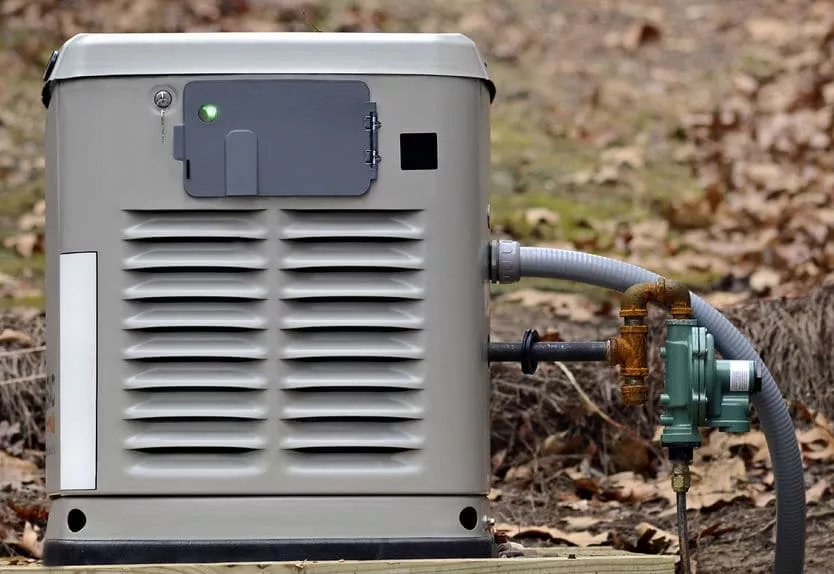
Credit: www.premium-electric.ca
Factors Affecting Generator Runtime
Fuel typegreatly affects how long a standby generator runs. Gasoline generators usually run for 8-12 hours on a full tank. Propane and natural gas generators can run much longer without refilling. The fuel tank sizealso matters. Bigger tanks provide more running hours before needing a refill.
Load demand impacts runtime too. Running many appliances or heavy machines drains fuel faster. Keeping the load low helps the generator run longer. A partial loaduses less fuel than a full load.
Generator size and efficiency are key. Larger generators use more fuel but can handle bigger loads. Efficient models consume less fuel for the same power output. Choosing the right size and efficiency balances runtime and fuel use.
Typical Runtime For Different Generators
Portable generatorstypically run for 8 to 12 hours on a full tank. They use gasoline and need refueling often. These are best for short power outages or outdoor use.
Standby generatorscan run for days or even weeks. They use natural gas or propane. These generators start automatically during power loss. They are designed for long-term power supply at homes or businesses.
Inverter generatorsrun about 4 to 10 hours per tank. They are quiet and fuel-efficient. These generators are good for camping or small appliances.
Fuel Options And Their Durations
Gasoline generatorsrun for about 8 to 12 hours on a full tank. They are easy to refuel but need frequent fuel top-ups during long outages.
Propane generatorscan run longer, often 24 to 48 hours, depending on tank size. Propane is clean and stores well for emergencies.
Natural gas generatorsoffer almost unlimited run time if connected to a gas line. They are low maintenance and ideal for long power outages.
Diesel generatorsrun between 8 and 24 hours per tank. Diesel fuel is energy-dense, making these generators very efficient.

Credit: www.angi.com
Extending Generator Runtime
Managing fuelwell helps your generator run longer. Store enough fuel safely and check fuel levels often. Use fresh fuel to avoid clogs and engine problems. Keep extra fuel on hand for long outages.
Reduce the loadon your generator by switching off unneeded devices. Use energy-saving bulbs and appliances. This helps the generator work less and last longer.
Do regular maintenanceto keep the generator in good shape. Change oil and filters on time. Check spark plugs and clean air filters. This stops breakdowns and keeps the generator running smoothly.
Safety Considerations During Extended Use
Proper ventilationis crucial to avoid dangerous carbon monoxide buildup. Always place the generator outside, away from windows and doors. Carbon monoxide is a colorless, odorless gas that can cause serious health problems or death.
Store fuel safelyin approved containers. Keep it away from heat sources or open flames. Always handle fuel carefully to avoid spills and fires. Use fresh fuel and replace old fuel regularly to keep the generator running smoothly.
To prevent overheating, do not run the generator for too long without breaks. Make sure the air vents are clear of dust and debris. Regularly check the oil level and change it as recommended by the manufacturer. Overheating can damage the generator and cause safety risks.
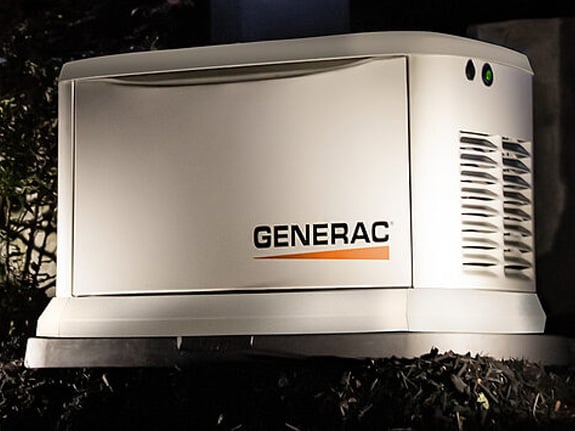
Credit: www.engineersupply.com
Monitoring And Managing Generator Performance
Tracking the runtimehelps prevent generator damage. Many generators have digital metersto show how long they run. This helps users know when to take breaks or stop the generator.
Some models include automatic shutdown features. These stop the generator if it runs too long or if oil or fuel runs low. This protects the machine from damage and keeps it safe.
- Alertsnotify users about low fuel or oil levels.
- Maintenance reminders help keep the generator in good condition.
- Regular checks ensure the generator runs smoothly and lasts longer.
Frequently Asked Questions
How Long Can A Standby Generator Run Continuously?
A standby generator can typically run 24 to 48 hours continuously. Runtime depends on fuel type, load, and maintenance. Regular breaks and refueling ensure optimal performance and prevent overheating. Proper care extends generator life during long outages.
What Factors Affect Standby Generator Runtime?
Fuel type, load size, and maintenance affect runtime. Propane and natural gas offer longer operation than gasoline. High electrical loads reduce runtime. Regular servicing keeps the generator efficient and reliable during extended use.
Can A Standby Generator Run Nonstop During Power Outages?
Yes, standby generators can run nonstop with sufficient fuel. Automatic transfer switches enable seamless power supply. Fuel supply must be monitored and replenished. Continuous operation supports critical appliances during extended outages.
How To Maximize Standby Generator Running Time?
Use efficient fuel types and maintain moderate load. Schedule regular maintenance and check fuel levels. Avoid overloading the generator to prevent fuel depletion. Proper care increases runtime and generator lifespan.
Conclusion
A standby generator can run for many hours if maintained well. Fuel type and tank size affect how long it lasts. Regular checks keep it running smoothly during outages. Avoid overloading the generator to prevent damage. Knowing these basics helps you prepare for power cuts.
Stay safe and keep your home powered when needed.