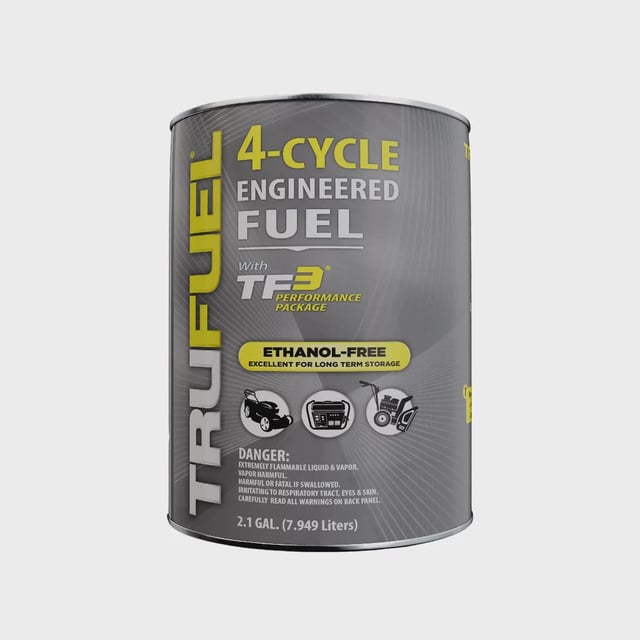
Have you ever wondered how long fuel can sit in your generator can before it starts to lose its effectiveness? You’re not alone.
Many people store fuel for emergencies, but not everyone knows the best practices for doing so. Understanding how long fuel can be stored is crucial for keeping your generator running smoothly when you need it most. Imagine facing a power outage only to discover that your stored fuel has gone bad.
That’s a headache you can avoid with the right knowledge. You’ll learn about the factors affecting fuel storage and practical tips to maximize its shelf life. Keep reading to ensure your generator is ready to go whenever you need it.
Credit: www.ecoflow.com
Fuel Types For Generators
Gasolineis common for small generators. It lasts about 3 to 6 monthsin storage. Keep it in a cool, dry place away from sunlight. Use a fuel stabilizer to extend its life. Avoid storing gasoline for too long to prevent engine problems.
Diesellasts longer than gasoline, up to 12 months. It is less likely to evaporate. Store diesel in sealed containers to avoid contamination. Diesel generators are popular for heavy-duty use.
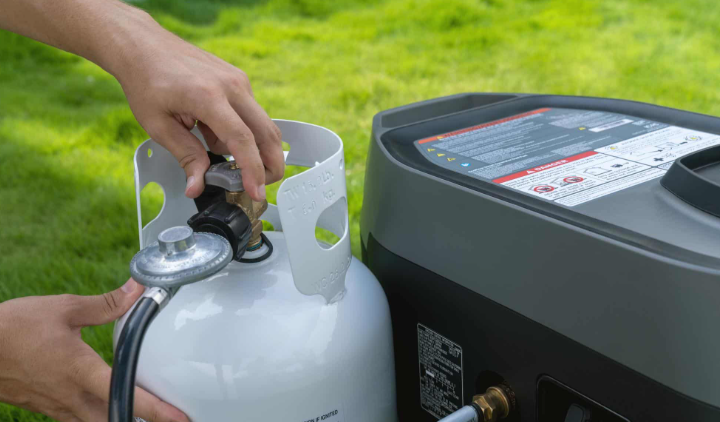
Propane and Natural Gascan be stored indefinitely in tanks. They do not spoil or evaporate easily. These fuels are cleaner and burn more efficiently. Propane tanks should be checked regularly for leaks and damage.

Credit: www.youtube.com
Shelf Life Of Different Fuels
Gasolinecan last about 3 to 6 monthsin a sealed container. It loses quality quickly if exposed to air or heat. Using a fuel stabilizer can extend its life up to a year.
Dieselgenerally stays good for 6 to 12 months. It can get contaminated with water or microbes, so keeping the container clean and sealed is important.
Propanehas a very long shelf life. It can be stored for many yearsbecause it is a gas and does not degrade like liquid fuels. Proper storage in a tank is key.
Factors Affecting Fuel Longevity
Temperatureplays a big role in fuel storage life. Hot places make fuel go bad faster. Cold places help keep fuel fresh for longer. Store fuel in a cool, dark spot to protect it.
Using fuel additivescan help stop fuel from breaking down. These additives keep fuel stable and stop it from forming gum or varnish inside the generator. Adding stabilizers is a smart choice for longer storage.
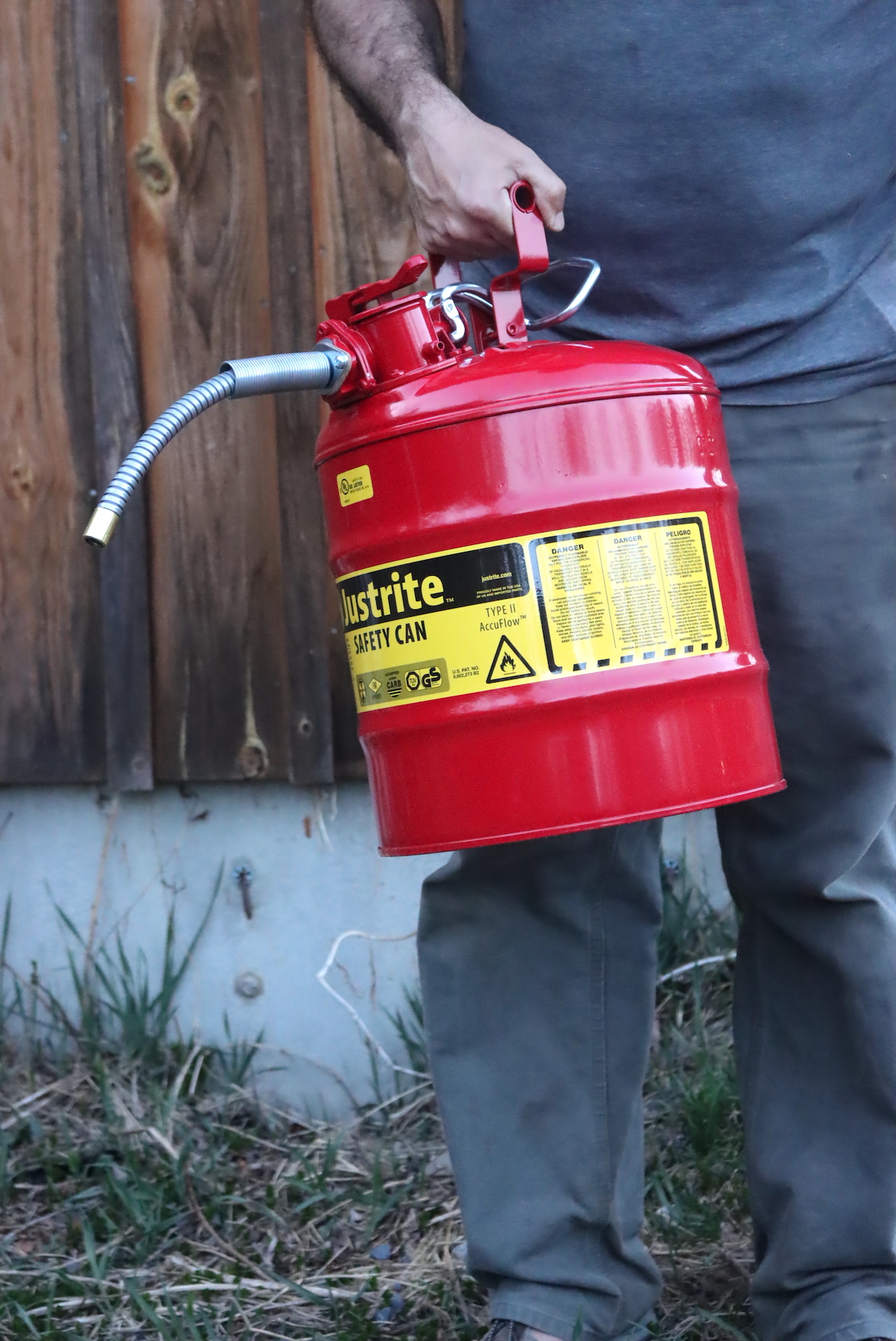
Container qualityalso matters. Use clean, sealed, and approved fuel cans. Plastic containers can let air and moisture in, which spoils fuel. Metal cans are better for keeping fuel fresh over time.
Best Practices For Fuel Storage
Choose a container made of metal or high-quality plastic. It must be designed for fuel storage. Avoid using old or damaged cans. Use containers with tight-fitting capsto stop leaks and spills. Always label each containerwith the fuel type and the date stored.
Seal containers properly to keep fuel fresh longer. Check seals regularly for cracks or wear. Replace any damaged seals immediately. Labeling helps you track fuel ageand avoid using stale fuel. Include the purchase dateon the label for easy reference.
Store fuel cans in a cool, dry place. Keep them away from sunlight and heat sources. Choose a well-ventilated areato reduce fire risk. Never store fuel inside your home or near open flames. Use a locked cabinetor shed if possible to keep children and pets safe.
Signs Of Fuel Degradation
Fuel degradationcauses clear signs that help identify poor quality fuel. One sign is changes in color and smell. Good fuel usually looks clear or slightly yellow. If fuel turns dark or cloudy, it may have degraded. The smell also changes. Fresh fuel has a sharp, clean scent. Bad fuel often smells sour or musty, which means it lost its quality.
Performance issuesin generators often happen with old or bad fuel. The generator may run rough, stall, or fail to start. Fuel that has degraded can clog fuel filters and injectors. This causes the engine to lose power and work inefficiently. Using fresh, clean fuel helps keep the generator running smoothly and extends its life.
Fuel Stabilizers And Treatments
Fuel stabilizershelp keep gasoline fresh for longer. They stop fuel from breaking down and forming gum or varnish. There are different typesof stabilizers for various fuel types like gasoline, diesel, and ethanol blends.
- Oil-based stabilizers:Mix well with fuel and protect against oxidation.
- Alcohol-based stabilizers:Help reduce water build-up in fuel tanks.
- Multi-purpose stabilizers:Work for different fuel types and engines.
Use stabilizers before storing fuel to keep it fresh. Add the correct amount as shown on the product label. Mix fuel and stabilizer well by shaking or stirring.
Store treated fuel in a cool, dry placeaway from sunlight. Use the stabilized fuel within the recommended time, usually up to 12 months. Always check for changes in smell or color before use.
Disposing Of Old Fuel Safely
Check with local authorities for rules on fuel disposal. Many places have special centers for old fuel. Improper disposal can harm the environment and water sources.
Some common ways to dispose of old fuel include:
- Taking it to a hazardous waste disposal site.
- Using fuel recycling programs if available.
- Contacting local auto shops or waste services for advice.
- Never pouring fuel down drains or on soil.
Proper handling keeps people and nature safe. Always store fuel in approved containers until disposal.
Credit: practicalselfreliance.com
Frequently Asked Questions
How Long Can Gasoline Be Stored In A Generator Can?
Gasoline can be stored safely in a generator can for up to six months. Use stabilizers to extend fuel life. Store in a cool, dry place away from sunlight to maintain fuel quality.
Does Fuel Type Affect Storage Duration In Generator Cans?
Yes, fuel type impacts storage duration. Diesel lasts up to a year, while gasoline lasts about six months. Proper storage and stabilizers can help extend the fuel’s usability for both types.
How To Safely Store Fuel In Generator Cans?
Store fuel in approved, airtight generator cans. Keep cans in a cool, ventilated area, away from direct sunlight and heat sources. Label cans with the storage date to track fuel freshness.
Can Old Fuel Damage My Generator?
Yes, old or degraded fuel can clog fuel lines and damage engine components. Using fresh fuel ensures optimal generator performance and prevents costly repairs.
Conclusion
Fuel stored in a generator can lasts for months if kept right. Use clean, sealed containers to keep fuel fresh. Store fuel in cool, dark places away from heat. Regularly check fuel for bad smell or cloudiness. Old fuel can cause your generator to run poorly.
Rotate your fuel supply to keep it fresh. Proper storage helps your generator work when needed. Take small steps to keep fuel safe and ready. This saves time and prevents unexpected problems later. Keep your generator’s fuel fresh for smooth power.