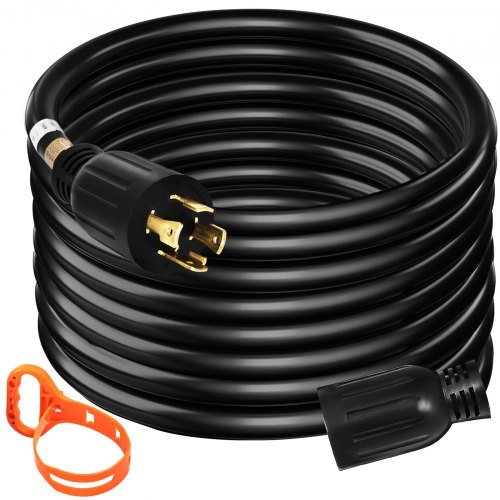
Are you curious about how long your generator power cable will last? Whether you’re using it for emergencies, camping trips, or to power tools on a worksite, understanding the lifespan of your generator power cable is crucial.
You don’t want to be caught off guard with a cable that fails when you need it most. Imagine the inconvenience and potential risk of losing power simply because a cable wore out unexpectedly. By knowing how long these cables typically last, you can plan replacements and ensure uninterrupted power whenever you need it.
Dive in, and discover the factors that affect the longevity of your generator power cable, so you can keep your power running smoothly and worry-free.

Credit: www.amazon.com
Factors Affecting Cable Lifespan
The quality of materialsused affects how long a generator power cable lasts. Cables made with high-grade copperor aluminum conductors and durable insulationusually last longer. Low-quality materials wear out faster and can cause power issues.
Environmental conditionsplay a big role too. Cables exposed to extreme heat, cold, moisture,or chemicals break down more quickly. Direct sunlight and water can damage the insulation and lead to short circuits.
- Usage frequency:Cables used often will wear out faster than those used rarely.
- Continuous use can cause heat buildupand insulation damage.
Proper installation practiceshelp extend cable life. Avoid sharp bends, tight pulls, or placing cables near heat sources. Using correct connectors and securing cables safely prevents damage.
Common Cable Types For Generators
Copper cablesare popular for their excellent conductivity and durability. They handle heat well and last longer. Aluminum cablescost less but have lower conductivity. They are lighter but may not last as long as copper.
Insulation materialsprotect cables from damage and weather. Common types include PVC, which is flexible and cheap, and rubber, which resists heat and oil. The right insulation keeps cables safe and working well.
| Rating | Purpose | Example |
|---|---|---|
| AWG (American Wire Gauge) | Measures cable thickness | Lower number = thicker cable |
| Voltage Rating | Maximum voltage cable can handle | 600V, 1000V |
| Temperature Rating | Maximum heat cable can withstand | 60°C, 90°C |
| Standards | Safety and quality guidelines | UL, NEC |
Signs Of Cable Wear And Damage
Physical damageto generator power cables includes cuts, cracks, and abrasions. These can expose wires and cause short circuits or shocks. Check cables regularly for any visible signs of wear.
Electrical performance issuesmight show as flickering lights or loss of power. These problems often mean the cable’s internal wires are damaged or corroded. Testing with a multimeter helps find these faults early.
Thermal degradationhappens when cables get too hot. Overheating can melt insulation or weaken the cable. This damage is dangerous and reduces the cable’s lifespan.
Maintenance Tips To Extend Cable Life
Regular inspections help spot wear and tearearly. Look for cracks, cuts, or exposed wires. Check connectors for rust or looseness. Fix small problems before they become big.
Proper storage keeps cables safe. Store them coiled, not bent or twisted. Keep cables in a dry, cool place away from sunlight. Avoid placing heavy objects on cables to prevent damage.
- Avoiding overloadsprotects cables from overheating. Use cables rated for your generator’s power.
- Do not plug too many devices into one cable.
Environmental protection means shielding cables from rain, dirt, and chemicals. Use covers or cable protectors outside. Keep cables off wet ground to stop water damage. Protect cables from sharp objects and animals that may chew them.
When To Replace Generator Power Cables
Safetyis the top reason to replace generator power cables. Damaged or worn cables can cause electric shocksor fires. Look for cracks, cuts, or exposed wires. If the cable feels hot or smells burnt, replace it immediately.
Performancecan drop as cables age. Old cables may cause power lossor frequent outages. If your generator runs poorly or stops often, check the cable. A new cable can help maintain steady power.
| Manufacturer Recommendations | Details |
|---|---|
| Check Cable Life Span | Most manufacturers suggest replacing cables every 3-5 years. |
| Follow Maintenance Tips | Store cables properly and avoid sharp bends. |
| Use Approved Cables | Only use cables rated for your generator’s power. |
Credit: www.vevor.com
Impact Of Cable Lifespan On Generator Performance
Generator power cablesplay a key role in keeping power flowing smoothly. Over time, cables wear out due to weather, use, and aging. This can cause efficiency problems. Old or damaged cables may slow down power delivery or cause voltage drops. Such issues can make the generator work harder and waste fuel.
Power interruptionshappen when cables fail unexpectedly. This can stop machines or lights from working. It may also damage connected equipment. Regular checks help spot cable wear before it causes outages. Replacing cables on time avoids sudden power loss and keeps things running.
| Cost Factor | Impact |
|---|---|
| Frequent Repairs | Increase maintenance expenses |
| Power Failures | Lead to lost work and income |
| Early Replacement | Higher initial investment but saves later costs |
Credit: m.vevor.com
Frequently Asked Questions
How Long Does A Generator Power Cable Typically Last?
Generator power cables usually last between 5 to 10 years. Their lifespan depends on usage, environment, and maintenance. Proper storage and avoiding physical damage extend cable life. Regular inspections help detect wear and tear early, preventing failures during power outages.
What Factors Affect Generator Power Cable Lifespan?
Environmental exposure, frequent bending, and heavy loads reduce cable lifespan. UV rays, moisture, and extreme temperatures cause insulation damage. Proper handling, storage, and using cables within rated capacity improve durability. Regular checks and replacing damaged cables ensure safe and long-lasting performance.
How To Maintain Generator Power Cables For Longevity?
Keep cables dry, clean, and away from sharp objects. Avoid excessive bending or stretching during use. Store cables coiled loosely in a cool, dry place. Inspect regularly for cracks, cuts, or wear. Promptly replace damaged cables to maintain safe and reliable power supply.
Can Generator Power Cables Be Repaired If Damaged?
Minor cable damage can sometimes be repaired with proper tools and materials. However, severe damage or exposed wires require full cable replacement. Using damaged cables risks electrical hazards and power failure. Always prioritize safety and consult a professional if unsure about repairs.
Conclusion
Generator power cables can last many years with proper care. Regular checks help spot wear and tear early. Avoid sharp bends and keep cables dry to prevent damage. Using the right cable size also extends its life. Remember, safety matters most when handling electricity.
A well-maintained cable keeps your generator running smoothly. Simple steps can save you from costly repairs later. Trust the process, and your cable will serve you well.