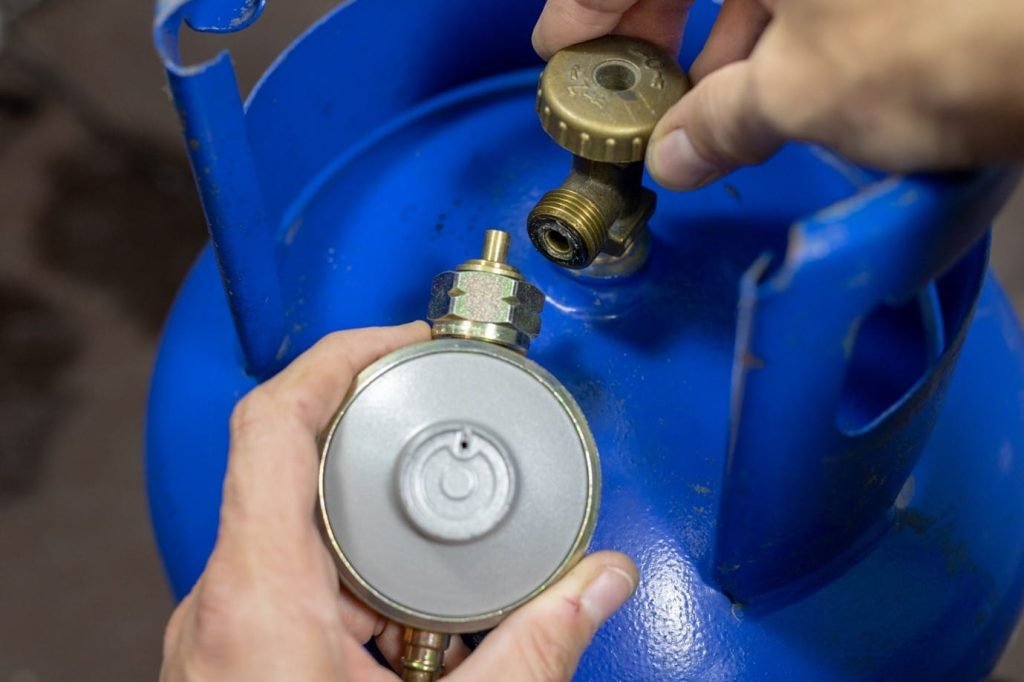
Are you wondering how long propane can actually last in your tank? You’ve come to the right place.
Whether you use propane for grilling, heating, or powering appliances, knowing the lifespan of your propane supply is crucial. Imagine running out of propane just when you need it most—frustrating, right? This guide will unravel the mystery of propane longevity, helping you plan better and avoid those inconvenient surprises.
Stay with us as we delve into the factors that affect propane’s shelf life and offer practical tips to ensure you make the most out of every drop. By the end, you’ll have the knowledge to manage your propane supply like a pro. Let’s get started!
Credit: liquidpropane.com
Propane Basics
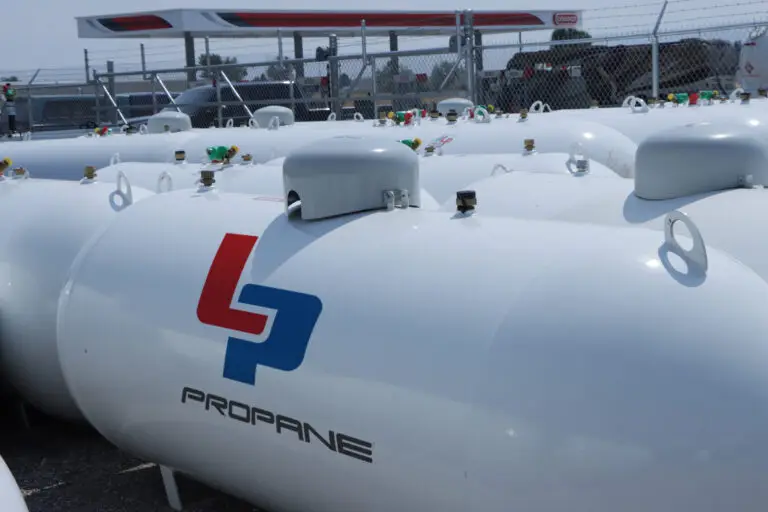
Propaneis a type of gas used for energy. It is stored in tanks as a liquid but turns into gas when released. This makes it easy to move and use.
People use propane for many tasks. It is common for heating homes and water. Many cook with propane on grills. It also powers some vehicles and tools.
- Heating: Keeps homes warm in cold weather.
- Cooking: Used in stoves and outdoor grills.
- Hot Water: Heats water for showers and washing.
- Vehicles: Powers some cars and forklifts.
- Tools: Fuels equipment like generators and heaters.
Credit: crystalflash.com
Factors Affecting Propane Storage
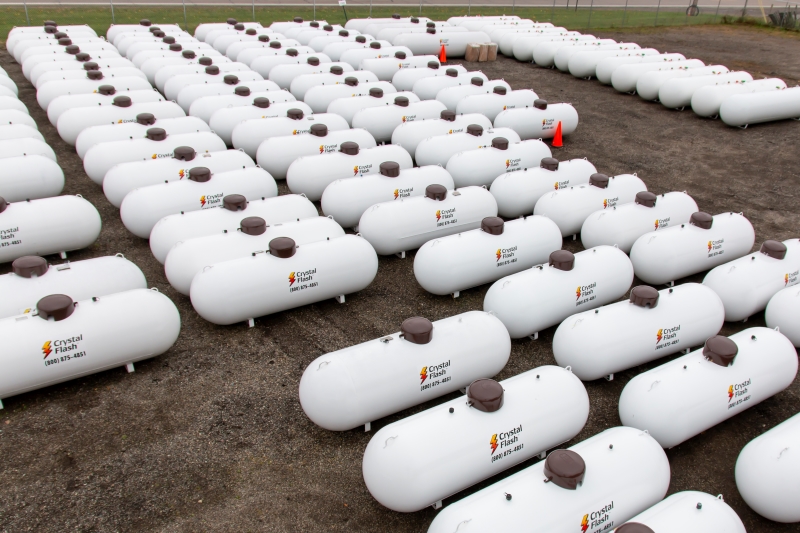
Tank sizeaffects how long propane lasts. Bigger tanks hold more fuel, so propane lasts longer. Different tank typesalso matter. Steel tanks keep propane safe but may rust. Aluminum tanks resist rust but can be costly.
Temperaturechanges impact propane storage. Cold weather causes propane to shrink, lowering pressure in the tank. Warm weather makes propane expand, raising pressure. Extreme cold can slow fuel flow, reducing efficiency.
Proper tank maintenancekeeps propane fresh and safe. Check tanks for rust, leaks, and damage regularly. Keep tanks clean and painted to stop rust. Always follow local rules for tank inspection and upkeep.
Propane Shelf Life
Propane can last a very long time in a tank. If stored properly, it can stay good for 10 to 15 yearsor more. The tank must be sealed tightly and kept in a cool place. Propane does not go bad like food, but the tank and valves can wear out.
Signs that propane may have problems include:
- Difficulty lightingthe appliance
- Strange smellsnear the tank or appliance
- Rust or corrosionon the tank surface
- Leaksor hissing sounds
- Yellow or weak flameinstead of blue
Check tanks often for damage and replace old tanks. Regular maintenance keeps propane safe and usable.

Credit: www.angi.com
Proper Storage Tips
Propane tanks store fuel best at temperatures between 40°F and 90°F. Extreme cold or heat can cause pressure changes inside the tank. Keep tanks away from direct sunlight and freezing conditions. This helps maintain fuel qualityand tank safety.
- Place tanks on a flat, stable surface to prevent tipping.
- Keep tanks away from ignition sources and high-traffic areas.
- Store tanks outdoors or in well-ventilated spaces to avoid gas buildup.
Make sure the tank valve is always tightly closed when not in use. Check for leaksregularly and replace damaged seals. A well-maintained valve stops fuel from escaping and keeps the tank safe.
Refilling And Handling
Propane tanks should be refilled before they are completely empty. Running out of propane can cause appliance damage. Check the tank gauge often to know the level. Most tanks need refilling when they reach about 20% capacity.
Safe transfer of propane is very important. Always move tanks outdoors and away from open flames. Use proper connectors and check for leaks before starting the transfer. Never overfill the tank as propane expands with heat.
- Keep the tank upright during filling.
- Wear gloves to protect your hands.
- Turn off all appliances before refilling.
- Store propane tanks in a cool, ventilated area.
Troubleshooting Propane Issues
Detecting propane leaksis key for safety. Signs include a strong, rotten egg smellor hissing sounds near the tank. Use soapy water on connections; bubblesshow leaks. Never use a flame to check leaks. Always ensure the tank valve is closed tightlywhen not in use.
Avoiding contamination keeps propane pure and safe. Make sure the tank is sealed properlyto stop dirt or water from entering. Store tanks in a dry, cool placeaway from direct sunlight. Regularly check and clean the tank valve and hoses to prevent blockages or damage.
Frequently Asked Questions
How Long Does Propane Last In A Full Tank?
A full propane tank can last from several days to months. Usage rate, tank size, and appliance efficiency affect duration. Proper storage and minimal leaks extend propane life.
Does Propane Expire Or Go Bad Over Time?
Propane does not expire or degrade if stored correctly. It remains stable in sealed tanks for years. Check tanks regularly for leaks and rust to ensure safety.
How Can I Estimate Propane Usage In My Tank?
Track appliance wattage and usage hours to estimate propane consumption. Use online calculators or consult professionals for accurate estimates. Regular monitoring helps plan timely refills and avoid shortages.
What Factors Affect Propane Tank Longevity?
Temperature, tank size, appliance efficiency, and usage frequency impact propane duration. Cold weather reduces pressure, affecting flow rate. Proper maintenance and insulation improve propane lifespan.
Conclusion
Propane can last a long time when stored properly. Keep tanks in a cool, dry place to avoid leaks. Regularly check for damage or rust on your tank. Using propane safely extends its life and keeps you secure. Remember, a full tank lasts longer than a half-empty one.
Store propane away from heat and flames to stay safe. Knowing how long propane lasts helps plan your usage better. Simple care keeps your propane ready whenever you need it.