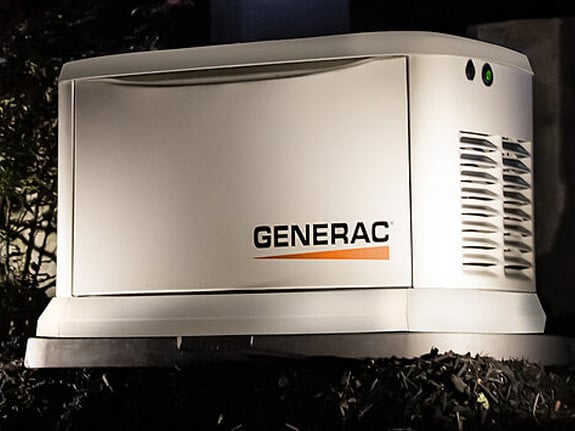
Imagine it’s a stormy night, and suddenly, the power goes out. You sigh in relief as your standby generator kicks in, keeping your home lit and comfortable.
But then, a thought crosses your mind: “How long can my standby generator run without a break? ” This question isn’t just about convenience; it’s about ensuring your family’s safety and comfort during extended outages. Understanding the runtime capabilities of your generator is crucial, and it can save you from unexpected hassles.
You’ll discover everything you need to know about maximizing your generator’s performance. Keep reading to ensure you’re fully prepared for any power outage scenario.

Credit: www.angi.com
Types Of Standby Generators
Portable generatorsare smaller and easy to move. They run for 8 to 12 hours on a full tank. These are good for short power outages or camping. Stationary generatorsare larger and fixed in one place. They can run for days or weeks if fuel is supplied.
Fuel type affects how long a generator runs. Here is a simple table showing common fuels and their impact:
| Fuel Type | Run Time | Notes |
|---|---|---|
| Gasoline | 6-12 hours | Easy to find but short storage life |
| Propane | 8-24 hours | Burns cleaner and stores longer |
| Diesel | 10-24 hours | Good fuel efficiency and long storage |
| Natural Gas | Continuous | Connected to pipeline, long run time |
Factors Affecting Generator Runtime
Fuel capacitylimits how long a standby generator can run. Larger tanks hold more fuel and allow longer operation. The fuel consumption ratedepends on the generator’s size and load. A generator running at full load uses more fuel per hour than at half load.
Load demandalso affects runtime. Higher power use drains fuel faster. Turning on many devices or appliances increases fuel consumption. Keeping the load low can extend run time significantly.
Environmental conditionslike temperature and altitude impact performance. Cold weather may reduce fuel efficiency. High altitudes can lower engine power, causing it to work harder. Both factors can shorten the generator’s running time.
Typical Runtime For Different Generators
Natural Gas Generatorscan run for a very long time. They use the gas supply from your home. This means they keep working as long as gas flows. Usually, they can run for days or even weekswithout stopping. Great for long power outages.
Propane Generatorsrun on propane tanks. Their runtime depends on tank size. A small tank may last a few hours. Bigger tanks can keep the generator running for up to 24 hoursor more. Easy to refill or swap tanks.
Diesel Generatorsuse diesel fuel stored in tanks. They can run longer than propane but less than natural gas. Diesel generators often run for 8 to 24 hoursbefore refueling. Diesel is good for heavy use and quick refills.
Extending Generator Runtime
Storing fuel safelyis key to keeping a generator running longer. Use approved containersand keep them in a cool, dry place. Rotate fuel supplies often to avoid stale fuel, which can damage the engine.
Managing the load on your generator helps extend its runtime. Turn off non-essential devicesto reduce fuel use. Focus on powering only the most important appliances or tools.
Regular maintenance keeps the generator working well. Check oil and air filters often. Clean spark plugs and inspect the fuel system to avoid breakdowns. Well-maintained generators run more efficiently and last longer.
Safety And Compliance Considerations
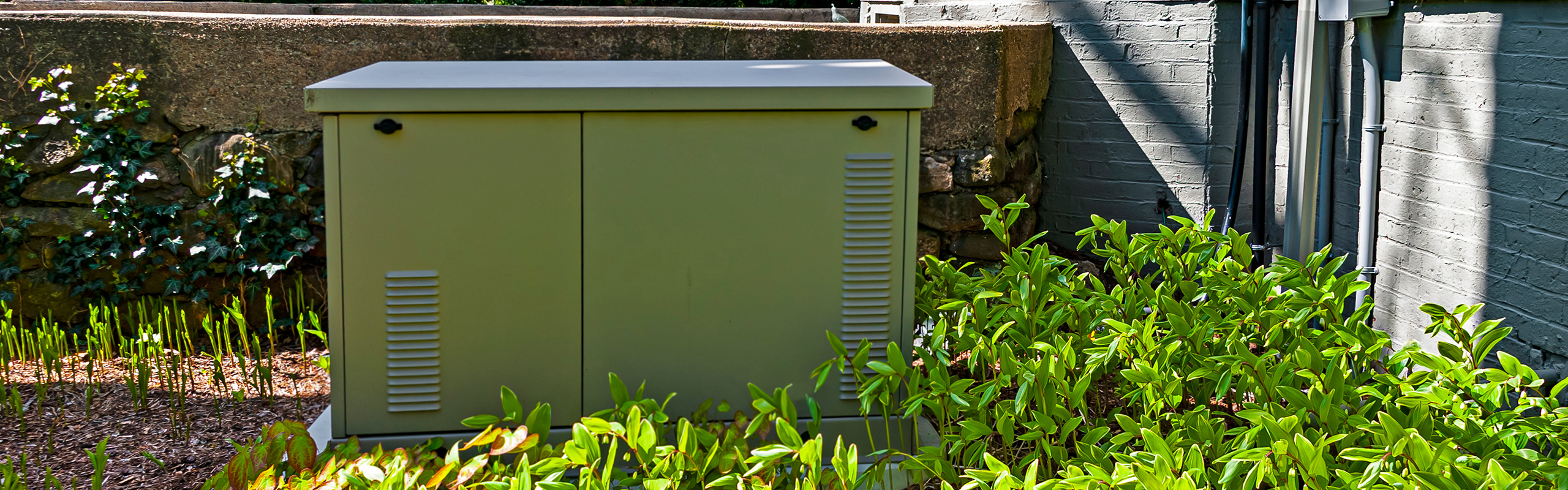
Standby generators have operating limitsset by their manufacturers. These limits help keep the generator safeand efficient. Running a generator too long without rest can cause damageor overheating. Always read the manualand follow the guidelines for run timeand maintenance.
Carbon monoxideis a dangerous gas produced by generators. It is colorlessand odorless, so it is hard to detect. Never use a generator indoors or in enclosed spaces. Always place it outside, far from windows and doors to prevent poisoning risks.
- Check your local lawsbefore installing a generator.
- Some areas require permitsor inspections.
- Noise rules may limit how long you can run the generator.
- Following these rules keeps you safeand avoids fines.
Credit: www.abt.com
Signs Your Generator Needs A Break
Overheating symptomsinclude the generator feeling very hot to touch. Smoke or a burning smell may come from the engine. The generator might shut down suddenly to protect itself. This is a clear sign it needs rest.
Unusual noises and vibrationscan mean parts are wearing out or loose. Loud knocking, rattling, or grinding sounds are not normal. If the generator shakes more than usual, it might be time to stop and check.
Fuel efficiency dropswhen the generator uses more fuel but runs less time. This happens if the engine is tired or dirty. Watch for frequent refueling and shorter working periods. These signs show the generator needs a break soon.
Choosing The Right Generator For Your Needs
Choosing a generator depends on how long you need it to run continuously. Standby generators can operate for hours or even days with proper fuel supply. Understanding runtime helps select the right model for your power needs.
Assessing Power Requirements
Check how much power your home or business needs. List all devices that must run during an outage. Add their wattage to find the total load. Choose a generator that can handle this load easily. Remember to consider starting watts for some appliances. This helps avoid overloading the generator.
Budget Vs. Performance
Generators come in many price ranges. Higher price often means better quality and longer run time. Decide what fits your budget but don’t sacrifice essential features. Look for reliable brands with good reviews. A cheaper generator may cost more later due to repairs.
Future Expansion Plans
Think about adding more appliances or rooms later. Pick a generator with extra capacity for growth. This saves money and hassle in the future. Make sure the model supports easy upgrades or larger fuel tanks.

Credit: www.generac.com
Frequently Asked Questions
How Long Can A Standby Generator Run Continuously?
A standby generator can typically run 24 to 48 hours continuously with sufficient fuel. Proper maintenance ensures reliable operation during extended power outages. Running time depends on fuel type, generator capacity, and load demand.
What Factors Affect Standby Generator Run Time?
Fuel type, generator size, and load usage greatly impact run time. Maintenance and fuel storage conditions also influence how long the generator operates without interruption.
Can A Standby Generator Run Indefinitely?
No, a standby generator cannot run indefinitely. It requires regular maintenance and fuel replenishment. Overheating and mechanical wear limit continuous operation time.
How Often Should A Standby Generator Be Refueled?
Refuel frequency depends on fuel capacity and consumption rate. Most generators need refueling every 8 to 24 hours under typical loads.
Conclusion
Standby generators can run for many hours, depending on fuel and size. Regular maintenance helps keep them running smoothly. Fuel type affects how long they work without refilling. Knowing your generator’s limits helps you plan better during outages. Always check the fuel supply to avoid unexpected stops.
A good standby generator provides reliable power when you need it most. Keep these points in mind for safe and efficient use. Your home stays powered, no matter how long the outage lasts.