
Have you ever wondered how long you can keep your standby generator running without worry? Whether you’re facing a power outage or preparing for one, knowing your generator’s limits is crucial.
If you run it too long, you risk damage or running out of fuel at the worst moment. But how do you find the right balance? You’ll discover practical tips and clear answers to keep your generator running safely and efficiently when you need it most.
Keep reading to protect your home and stay powered up.

Credit: www.angi.com
Standby Generator Basics
Standby generators come in different types. The main ones are diesel, natural gas, and propane. Diesel generators are strong and last long but need fuel storage. Natural gas generators connect to your gas line, so fuel is always available. Propane models use bottled fuel and are easy to store.
Key components include the engine, alternator, and transfer switch. The engine powers the generator. The alternator turns engine power into electricity. The transfer switch moves power from the grid to the generator during an outage.
Generators work by sensing a power loss. The transfer switch signals the engine to start. The engine runs the alternator to produce electricity. This power flows to your home, keeping appliances on. Once power returns, the generator stops automatically.
Factors Affecting Runtime
Fuel typeplays a big role in how long a standby generator runs. Diesel and natural gas last longer than gasoline. Fuel capacityalso matters. Bigger tanks hold more fuel, so the generator runs longer without refilling.
Load demandmeans how much power is used. More power means the generator works harder and uses fuel faster. Running only essential devices helps save fuel.
The size of the generatoraffects runtime. Larger generators use more fuel but can handle bigger loads. Smaller ones use less fuel but might not power everything.
Environmental conditionslike cold or hot weather impact runtime. Cold weather can make engines harder to start and use more fuel. High altitude can reduce engine power.
Fuel Options And Their Impact
Natural gasis a common choice for standby generators. It flows continuously through pipelines, so fuel supply is steady. This allows for longer run timeswithout needing refills. The fuel is clean and burns efficiently, producing less pollution.
Propanestores well in tanks and has a long shelf life. It burns cleaner than gasoline or diesel. Propane generators can run for many hours, but tank size limits the total run time. Refilling tanks is necessary for extended use.
Dieselfuel is dense and powerful. It offers long run timesand is easy to store for months. Diesel generators are durable and good for heavy loads. Regular maintenance keeps them running smoothly.
Gasolineis easy to find and use. It powers many standby generators but has a shorter shelf life. Gasoline can spoil in a few months, which limits long-term storage. It also burns faster, so frequent refills are needed.
Calculating Runtime
Estimating fuel consumption helps find how long a standby generator can run. Fuel use depends on generator sizeand power load. Larger loads use more fuel and reduce runtime. For example, a generator running at half load uses less fuel and lasts longer than at full load.
The load vs. runtime relationshipis important. As load increases, runtime decreases. Running at 50% load might double the runtime compared to 100% load. Keeping loads low saves fuel and extends generator use.
| Load Level | Fuel Consumption (Gallons/Hour) | Estimated Runtime (Hours) |
|---|---|---|
| 25% | 0.5 | 20 |
| 50% | 1.0 | 10 |
| 75% | 1.5 | 6.7 |
| 100% | 2.0 | 5 |
Manufacturer specifications often list fuel tank size and consumption rates. Use these numbers to calculate runtime. For example, a 10-gallon tank with 1 gallon/hour consumption runs for about 10 hours. Check the manual for exact details.
Extending Generator Runtime
Fuel storageis key to longer generator runtime. Store fuel in approved containersaway from heat and sunlight. Use fresh fuel and rotate stock every few months.
- Load managementreduces fuel use. Turn off non-essential devicesto save power.
- Regular maintenancekeeps the generator running well. Check oil, filters, and spark plugs often.
- Upgrading fuel systemscan boost runtime. Larger tanks or dual-fuel optionshelp run longer without refueling.
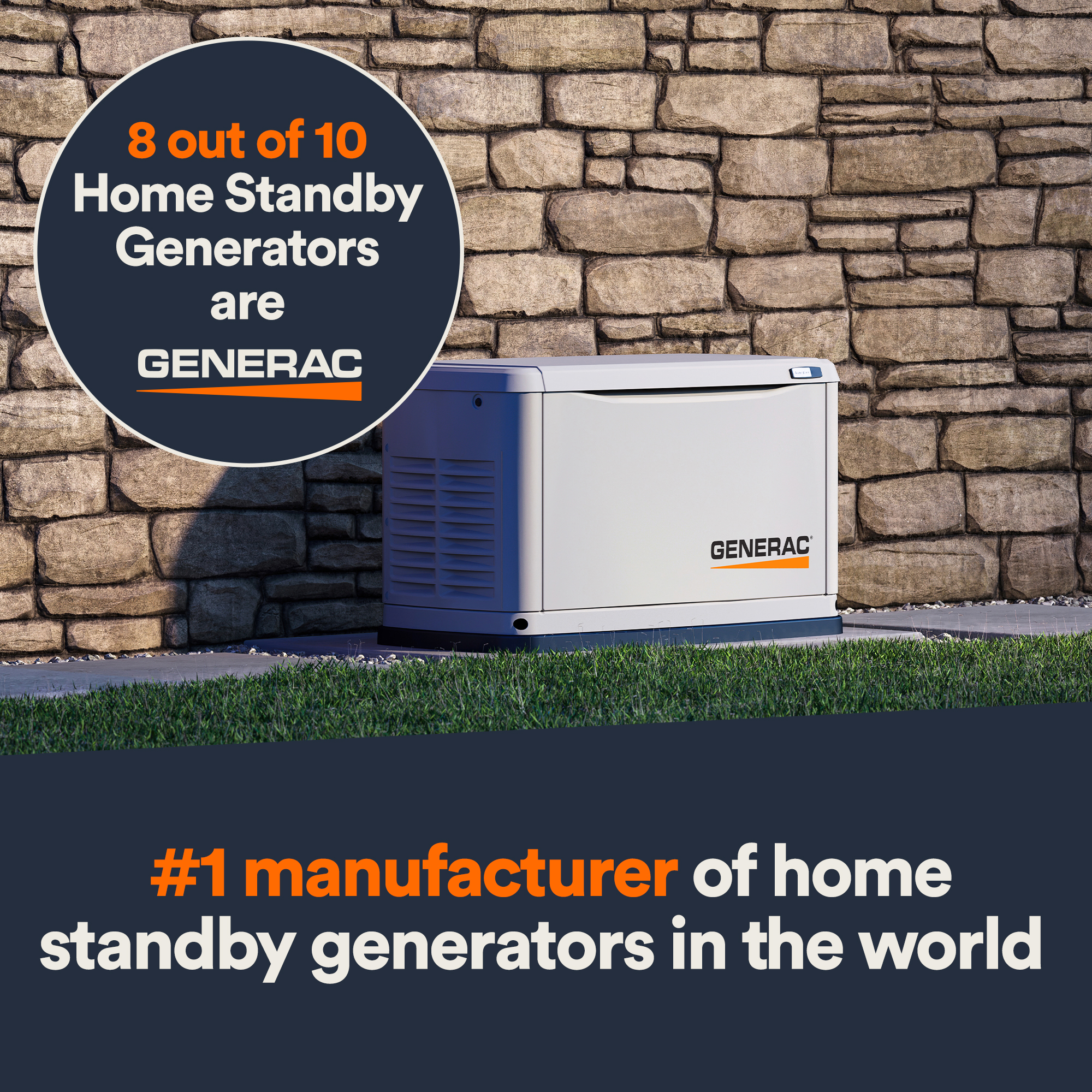
Credit: www.generac.com
Safety Considerations
Proper ventilationis crucial for safe generator use. Running a standby generator indoors or in tight spaces can cause carbon monoxide poisoning. Always place the generator outside, away from doors and windows to prevent gas from entering your home.
Store fuel in approved containersand keep it in a cool, dry place. Avoid storing large amounts of fuel near the generator. Refuel only when the generator is off and cooled down to prevent fire hazards.
- Do not overloadthe generator. Check its wattage limit before connecting devices.
- Use a transfer switchto avoid backfeeding electricity to power lines.
- Turn off devices not in use to reduce load and prevent damage.
Common Runtime Myths
Standby generators are designed to run for long periods, but they have limits. Most can operate 24 to 48 hourscontinuously before needing a break. Running longer might cause overheatingor wear. Some models allow extended use, but regular checks are essential to keep them safe.
Fuel efficiency varies depending on the load and generator size. At half load, fuel use is usually more efficient than running at full load. Expect the generator to use more fuel during peak powertimes. Proper maintenance can help fuel efficiency stay high.
| Aspect | Details |
|---|---|
| Continuous Operation | 24-48 hours typically; some models longer |
| Risk of Overheating | High if run too long without breaks |
| Fuel Efficiency | Better at half load; varies by model |
| Maintenance | Important for long runtime and efficiency |
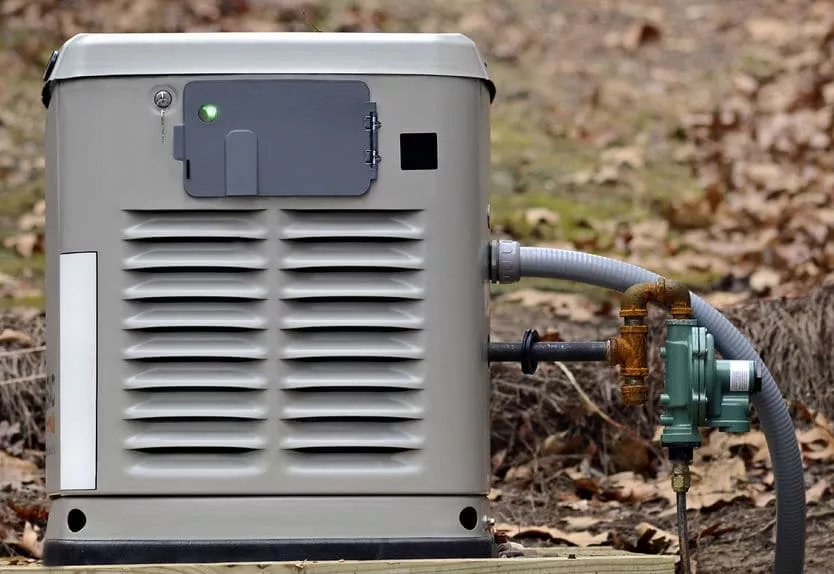
Credit: www.premium-electric.ca
Choosing The Right Generator For Your Needs
Choosing a standby generator starts with knowing your power needs.List all the devices you want to run during an outage. Add up their wattage to find total power required. This helps avoid buying a generator that is too small or too big.
Budget plays a key role in your choice. Generators come in many price ranges. Think about initial cost, fuel use, and maintenance. A cheaper model might cost more over time.
Professional installation is important for safety and performance. Experts connect the generator to your home’s power system. They ensure it meets local codes and works correctly. This can save you from future problems.
Frequently Asked Questions
How Long Can A Standby Generator Run Continuously?
A standby generator can typically run 8 to 24 hours continuously. Runtime depends on fuel type, tank size, and load. Regular maintenance ensures optimal performance and avoids overheating or damage during extended use.
What Factors Affect Standby Generator Runtime?
Fuel capacity, load demand, and engine efficiency mainly affect runtime. Larger tanks and lower power loads extend operation. Ambient temperature and maintenance also impact generator endurance and reliability.
Can Standby Generators Run Indefinitely During Power Outages?
Standby generators cannot run indefinitely without refueling or maintenance. Most models require fuel replenishment every 8-24 hours. Proper servicing prevents breakdowns during prolonged outages.
How Often Should Standby Generators Be Refueled?
Refueling frequency depends on fuel tank size and load, usually every 8-24 hours. Monitoring fuel levels and automatic transfer switches help manage timely refills during outages.
Conclusion
Understanding how long a standby generator can run is crucial. It helps in planning and maintenance. Always check your generator’s manual. Regular maintenance extends its lifespan. Keep extra fuel ready for emergencies. Monitor the generator’s performance frequently. Ensure it runs efficiently.
A reliable generator provides peace of mind. It supports your home during outages. Proper care ensures it works when needed. Stay prepared for unexpected power cuts. A well-maintained generator is a smart investment. It protects your home’s comfort and safety.
So, keep your generator in top shape for reliable service.