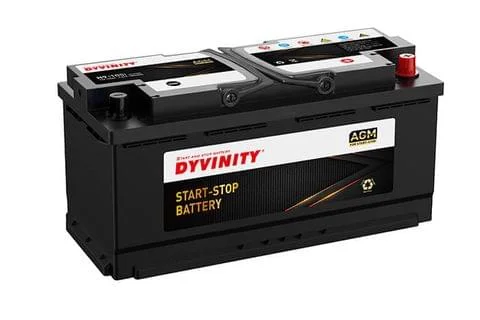
Are you curious about the lifespan of AGM batteries in your standby generator? You’re not alone.
Knowing how long these batteries last can save you from unexpected power outages and costly replacements. Imagine being in the middle of a storm, and your generator fails just because the battery gave out. It’s a nightmare scenario, right? But don’t worry; understanding the lifespan of AGM batteries can help you avoid this.
You’ll discover the key factors that influence how long these batteries last and learn practical tips to extend their life. Stick around, and you’ll be equipped with the knowledge to keep your standby generator running smoothly when you need it the most.
Agm Battery Basics
AGM batteriesstand for Absorbent Glass Mat batteries. They use a glass mat separator to hold the acid inside. This design makes them spill-proofand maintenance-free. AGM batteries are popular in standby generators because they deliver power quickly and have a long shelf life.
Compared to other battery types, AGM batteries have some key benefits:
- Longer lifespanthan traditional flooded lead-acid batteries.
- Better resistance to vibration and shock.
- Lower self-discharge rate, so they hold charge longer.
- Safer because they don’t leak acid.
- Work well in cold temperatures.
| Battery Type | Maintenance | Spill Risk | Lifespan | Cost |
|---|---|---|---|---|
| AGM | Low | None | 5-7 years | Higher |
| Flooded Lead-Acid | High | Yes | 3-5 years | Lower |
| Gel | Low | None | 4-6 years | Moderate |

Credit: www.tycorunenergy.com
Battery Lifespan Factors
Temperatureplays a big role in AGM battery lifespan. High heat makes batteries wear out faster. Cold temperatures can lower battery performance but do not damage it much. Keeping batteries in a cool, dry place helps them last longer.
Charge and discharge cyclesaffect battery life too. Each cycle uses some of the battery’s capacity. More cycles mean shorter battery life. Avoid deep discharges and recharge batteries often to extend their use.
Maintenanceis key to keeping batteries healthy. Check battery terminals for corrosion regularly. Clean connections and ensure tight contacts. Using a proper charger keeps the battery at an ideal charge level, which prevents damage.
Expected Lifespan In Standby Generators
AGM batteries in standby generators usually last 3 to 5 years. Their lifespan depends on usage, temperature, and maintenance. Batteries kept in cool, dry placeslast longer.
Regular use helps keep the battery healthy. Batteries that sit unused may age faster. Replace batteries after their lifespan ends to avoid failure during power outages.
- Slow engine crankingshows battery weakness.
- Battery won’t hold chargeafter being charged.
- Swollen or leaking battery casesignals damage.
- Corrosion on terminalsmay reduce performance.

Credit: www.vatrerpower.com
Maximizing Battery Life
Store AGM batteriesin a cool, dry place to slow down aging. Avoid extreme temperatures. Keep batteries away from direct sunlight and moisture.
Check batteries often. Use a multimeter to test voltage every few months. Look for any signs of damage or corrosion on terminals.
Charge batteries with a smart charger. It adjusts voltage to avoid overcharging. Use a charger made for AGM type batteries only. Avoid letting batteries drain completely.
- Keep battery voltage above 12.4 volts
- Charge at 13.5 to 14.5 volts
- Do not use regular chargers not suited for AGM
- Disconnect battery if storing long-term and charge monthly
Replacing Agm Batteries
AGM batteriesin standby generators usually last between 3 to 5 years. Signs to replace include slow starts, low charge, or visible damage. Batteries lose capacity over time, even if unused.
Choosing the right replacement is key. Match the voltageand capacitywith the original battery. Look for maintenance-free AGM typesfor better performance. Check the brand reputationand warranty. Always store batteries in a cool, dry placeto extend life.
Common Battery Issues
Capacity losshappens when the battery holds less charge than before. This reduces the battery’s runtime in a generator. Over time, batteries lose their ability to store power. This is normal but can be sped up by high temperatures or poor maintenance.
Corrosionhappens on battery terminals. It looks like a white or green powder. Corrosion stops good electrical contact. It can cause the generator not to start. Clean terminals can prevent this problem.
Leakageoccurs when battery acid escapes. It can damage the battery and nearby parts. Leaking batteries are dangerous and should be replaced quickly. Proper care and checks can help avoid leaks.
Cost Considerations
The initial investmentfor AGM batteries is usually higher than for traditional lead-acid batteries. This cost reflects the advanced technology and longer life span. Still, the price can be worth it for many users.
Long-term savingscome from reduced maintenance and fewer replacements. AGM batteries hold charge longer and perform well in standby generators. This means lower costs over time.
- AGM batteries cost more upfront.
- They need less maintenance.
- They last longer than regular batteries.
- Savings increase with less frequent replacements.

Credit: www.reddit.com
Frequently Asked Questions
How Long Do Agm Batteries Last In Standby Generators?
AGM batteries typically last 3 to 5 years in standby generators. Proper maintenance and storage can extend their lifespan. Usage frequency and environmental factors also affect durability.
What Affects Agm Battery Lifespan In Generators?
Temperature, charging habits, and discharge cycles greatly impact AGM battery life. Extreme heat or cold shortens battery performance and longevity. Regular charging and avoiding deep discharges help maintain battery health.
How To Maximize Agm Battery Life In Standby Generators?
Keep batteries fully charged and stored in cool, dry places. Avoid deep discharges and inspect terminals for corrosion regularly. Using a quality charger designed for AGM batteries also improves lifespan.
When Should I Replace Agm Batteries In Generators?
Replace AGM batteries if they fail to hold charge or show physical damage. Typical replacement time is after 3-5 years or when generator performance declines. Regular testing helps identify battery health issues early.
Conclusion
AGM batteries in standby generators usually last 3 to 5 years. Their lifespan depends on usage, temperature, and maintenance. Keeping them charged and in a cool place helps. Regular checks can spot problems early. Replacing batteries on time prevents generator failure.
Choose quality AGM batteries for better durability. Overall, proper care extends battery life and ensures reliable power when needed. Simple steps make a big difference.