
When the power goes out, your standby generator is your safety net. It kicks in to keep your home or business running smoothly.
But have you ever wondered how long the battery in your standby generator will last? This is a crucial question because the battery is the heart of your generator’s starting system. Imagine the frustration of a generator that fails to start just when you need it most.
You rely on it to keep your lights on and your appliances running. That’s why understanding the lifespan of your generator’s battery is essential. We’ll uncover the factors affecting battery life and share tips to maximize it. Stay tuned to ensure you’re always prepared for unexpected outages.
Battery Role In Standby Generators
The batteryin a standby generator is crucial for starting the engine. Without power from the battery, the generator cannot begin running during an outage. It provides the initial electric energyto crank the engine until it starts generating power on its own.
Different types of batteries can be used for standby generators. The most common are:
- Lead-acid batteries:Affordable and widely used but need regular maintenance.
- Absorbent Glass Mat (AGM) batteries:Maintenance-free and last longer than lead-acid.
- Lithium-ion batteries:Lightweight and have a longer life but cost more.
Choosing the right battery depends on cost, maintenance, and expected lifespan. The battery must be strong enough to start the generator quickly when power fails.
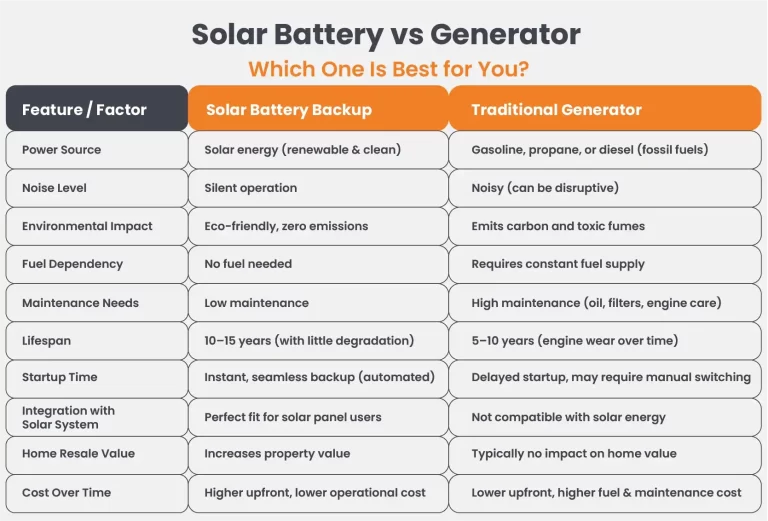
Credit: solarsme.com
Factors Affecting Battery Life
Temperatureplays a big role in battery life. Cold weather can slow the battery’s chemical reactions. This makes the battery weaker and less able to hold a charge. Hot weather can cause the battery to dry out and lose power faster.
Battery charging cyclesare the number of times a battery is charged and drained. Each cycle reduces the battery’s total life. Batteries last longer if they are charged properly without too many full drains.
Storage conditionsalso affect battery health. Batteries stored in a cool, dry place last longer. Storing batteries in a hot or damp area can cause damage and reduce their lifespan.
Typical Battery Lifespan
The average lifespanof batteries in standby generators is about 3 to 5 years. This depends on the battery type and usage. Batteries that sit unused for long periods may wear out faster. Regular maintenance helps extend their life.
Signs that a battery is wearing out include:
- Difficulty starting the generator
- Corrosion on battery terminals
- Swollen or leaking battery case
- Low voltage readings
Testing the battery voltage can show if it needs replacement. Cold weather can also reduce battery life. Keeping the battery clean and charged improves performance.

Credit: www.momentenergy.com
Maintaining Battery Health
Testing the battery often helps spot any problems early. Use a multimeter to check voltage regularly. A healthy battery should show a full charge, usually around 12.6 volts or more. Low voltage may mean the battery needs charging or replacing.
Charging the battery correctly keeps it working longer. Avoid overcharging, which can damage the battery. Use a charger designed for standby generator batteries. A slow, steady charge is best for battery health.
- Clean battery terminals to stop corrosion.
- Use a wire brush or battery cleaner for terminals.
- Check cables for cracks or wear.
- Tighten loose connections to avoid power loss.
- Keep the battery dry and free from dirt.
Replacing Generator Batteries
Batteries in standby generatorsusually last about 3 to 5 years. You should replace the battery if the generator fails to start or shows weak power. Signs include slow cranking or dim lights on the control panel. Cold weather can shorten battery life, so check more often in winter.
Choosing the right battery matters for reliable starts. Look for batteries with high cold-cranking amps (CCA)to work well in cold weather. Match the battery size and voltage to the generator’s specifications. Maintenance-free batteries are easier to use and last longer. Keep terminals clean and tight for better performance.

Credit: www.tycorun.com
Extending Battery Life Tips
Store batteries in a cool, dry placeaway from direct sunlight. Extreme heat or cold can damage them. Keep batteries fully charged during storage to avoid capacity loss. Use a trickle chargerto maintain charge without overcharging. Check battery terminals regularly for corrosionand clean them with a baking soda solution if needed. Avoid leaving the battery unused for long periods. Start the generator monthlyto keep the battery active and healthy.
Never use a damaged or cracked battery. Avoid overcharging, which can cause swellingor leaks. Do not let the battery discharge completely; this reduces its lifespan. Keep terminals tight to prevent loose connections. Avoid mixing old and new batteries in the same system. Follow the manufacturer’s instructions for battery care and replacement.
Frequently Asked Questions
How Long Do Standby Generator Batteries Typically Last?
Standby generator batteries usually last between 3 to 5 years. Their lifespan depends on usage, maintenance, and climate conditions. Regular checks and proper charging help extend battery life and ensure reliable generator starts during power outages.
What Factors Affect Standby Generator Battery Life?
Battery life is influenced by temperature, charging frequency, and maintenance quality. High heat or cold can reduce lifespan. Frequent use and proper charging improve longevity. Neglecting maintenance often leads to early battery failure and unreliable generator performance.
How Can I Extend My Standby Generator Battery Life?
To extend battery life, keep it charged and clean. Regularly inspect terminals for corrosion and ensure the battery is securely mounted. Store the generator in a temperature-controlled environment when possible. Routine maintenance checks are essential for lasting battery performance.
When Should I Replace My Standby Generator Battery?
Replace the battery if it fails to hold a charge or causes starting issues. Signs include slow cranking or no start at all. Typically, replacement is recommended every 3-5 years or as specified by the manufacturer.
Conclusion
Batteries in standby generators usually last three to five years. Regular checks help keep them in good shape. Cold weather can shorten battery life, so watch the temperature. Clean terminals and tight connections improve battery performance. Replace batteries before they fail to avoid power interruptions.
Simple care extends battery life and keeps your generator ready. Stay prepared by knowing how long your battery will last. Small steps make a big difference in reliability. Trust your generator to work when you need it most.