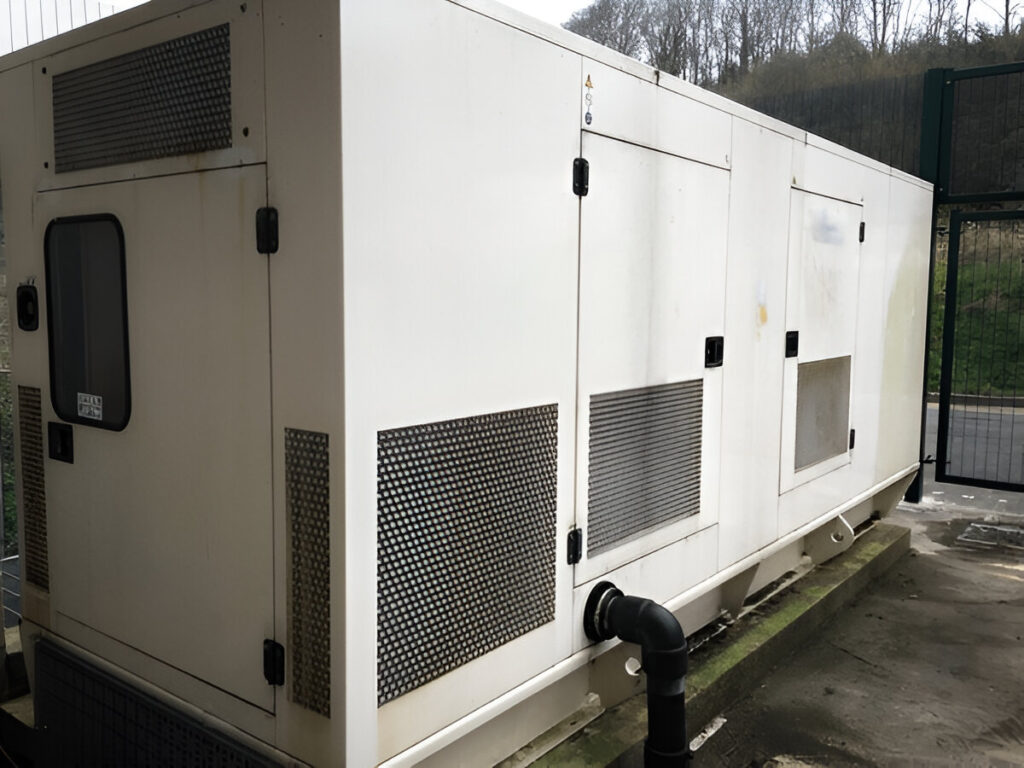
Have you ever wondered how long your generator enclosure will last? It’s a question that might not cross your mind until you find yourself dealing with wear and tear or unexpected weather conditions.
But understanding the lifespan of your generator’s enclosure is crucial to ensuring your power backup remains reliable when you need it the most. By exploring the factors that affect its longevity, you can make informed decisions that not only protect your investment but also save you money in the long run.
Stick around to discover the key elements that influence the durability of generator enclosures and learn how you can extend their life effortlessly. You won’t want to miss these insights that could make all the difference for your backup power solutions.
Factors Affecting Enclosure Lifespan
Material typesgreatly affect how long an enclosure lasts. Steel enclosures are very strong but can rust without proper coating. Aluminum resists rust and lasts longer in wet places. Plastic enclosures are light and resist corrosion but may crack in cold weather.
Environmental conditionslike rain, snow, sun, and salt air can wear down enclosures faster. Harsh weather means the enclosure must be tougher and well-sealed to protect the generator inside.
Maintenance practiceshelp extend enclosure life. Cleaning dirt and checking for rust or cracks can stop small problems from growing. Regular painting or sealing also protects the material.
Installation qualitymatters too. A well-installed enclosure fits tightly and keeps water and dirt out. Poor installation can let moisture in, causing damage over time.
Credit: www.powerequipmentforum.com
Common Enclosure Materials
Steel enclosuresare very strong and protect well against damage. They last a long time but can rustif not painted or treated.
Aluminum enclosuresresist rust and are lighter than steel. They last long but can be more expensive.
Fiberglass enclosuresresist rust and do not get hot in the sun. They are durableand last many years with little care.
Plastic enclosuresare light and cheap but can break easier. They work well for small generatorsand last less time than metal ones.
Typical Lifespan Ranges
Steel enclosuresare very strong and last about 20 to 30 years. They resist harsh weather and damage well. But they may rust if not painted or treated properly.
Aluminum enclosureslast around 15 to 25 years. They do not rust and are lighter than steel. Still, they can dent more easily and need care to avoid corrosion.
Fiberglass enclosurescan last 20 to 30 years. They resist rust and are lightweight. They are also good at withstanding sun and rain without damage.
Plastic enclosureshave the shortest lifespan, about 10 to 15 years. They are light and cheap but can crack or fade faster under strong sun or cold.

Credit: truegear.com.au
Signs Of Wear And Aging
Corrosion and rustoften appear on metal parts of generator enclosures. These signs show that the enclosure is getting old. Rust weakens the metal and can cause holes. Moist or salty air speeds up this process.
Cracks and structural damagemay happen due to weather or impacts. Small cracks can grow bigger over time. This weakens the enclosure and lets water or dust inside. It can also affect the safety of the generator.
Seal and insulation degradationis common after years of use. Seals can dry out and break, causing leaks. Insulation may wear thin, reducing protection from noise and heat. This can make the generator less efficient and safe.
Extending Enclosure Lifespan
Regular cleaning and inspections keep the enclosure free from dirt and rust. Checking for cracks or damages early helps avoid bigger problems. Clean vents and remove debris to ensure smooth airflow.
Protective coatings like paint or sealants stop water and pests from damaging the enclosure. These treatments extend the life by preventing rust and corrosion.
Proper ventilation stops heat build-up inside the enclosure. Drainage systems keep water from pooling around the base. Both help avoid damage caused by moisture and heat.
Timely repairs fix small issues before they grow. Upgrading parts like locks or seals improves security and protection. Keeping the enclosure in good shape makes it last longer.
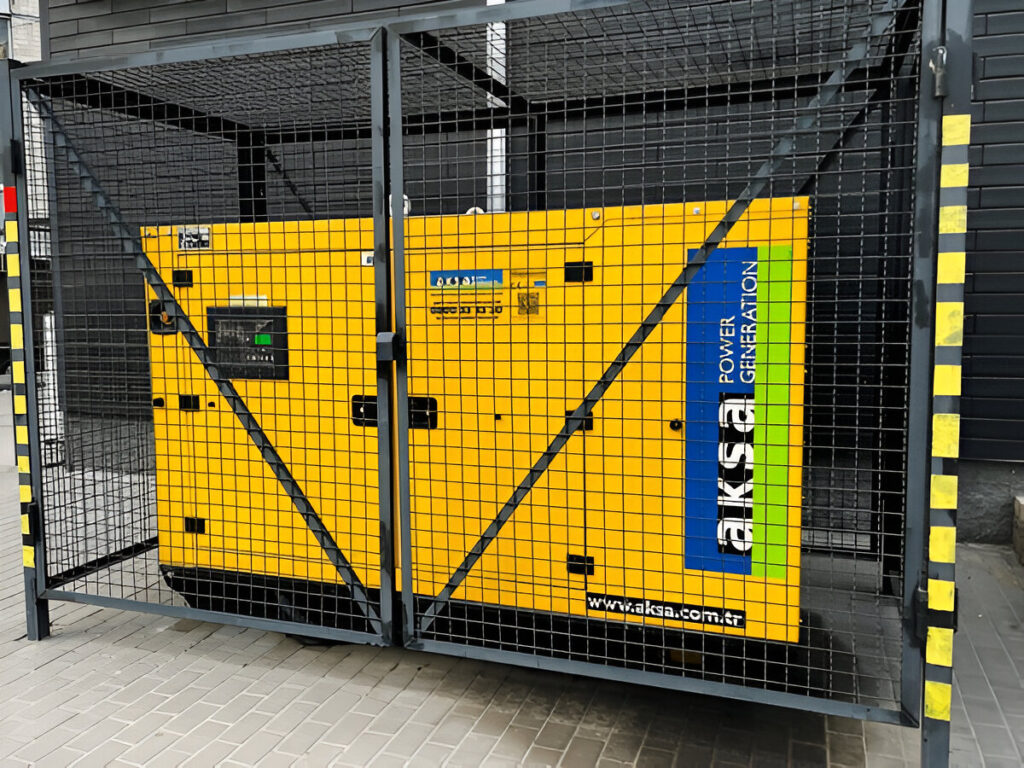
Credit: bcdieselgenerators.com
Impact Of Usage And Environment
Indoor installationsprotect generator enclosures from rain and sun. This helps them last longer. The air inside is usually cleaner and less harsh. Outdoor enclosures face strong winds, rain, snow, and heat. These weather changes can cause rust and damage.
Harsh weather like heavy rain or snow can wear downthe enclosure’s surface. Constant sun can make materials brittle and crack. Wind can cause physical damageor loosen parts.
Exposure to chemicals and pollutants speeds up corrosion. Areas near factories or roads may have more harmful air. This air can eat awayat metal and paint. Cleaning and maintenance help but cannot stop all damage.
Replacement And Upgrade Considerations
Signs of enclosure damageinclude rust, cracks, and loose parts. These affect protection and noise control. Enclosures older than 10 years often need replacement due to wear and outdated safety standards.
Choosing a new enclosure depends on generator size, climate, and noise limits. Materials like steelor aluminumoffer different benefits. Steel is strong but heavier. Aluminum is lighter and resists rust.
| Cost Factor | Effect on Longevity | Notes |
|---|---|---|
| Cheap materials | Shorter lifespan | May save money but require frequent replacement |
| Quality materials | Longer lifespan | Higher upfront cost but less maintenance |
| Proper installation | Extends life | Prevents damage and improves performance |
Frequently Asked Questions
How Long Do Generator Enclosures Typically Last?
Generator enclosures usually last between 10 to 20 years. Their lifespan depends on material quality, maintenance, and environmental conditions. Proper care and regular inspections can extend their durability and protect the generator effectively.
What Factors Affect Generator Enclosure Lifespan?
Key factors include material type, weather exposure, maintenance frequency, and installation quality. Harsh environments and poor upkeep reduce lifespan, while corrosion-resistant materials and routine care enhance durability and performance.
How Often Should Generator Enclosures Be Maintained?
Generator enclosures should be inspected and maintained at least once a year. Regular cleaning, rust prevention, and checking seals help ensure long-lasting protection and optimal generator function.
Can Weather Conditions Shorten Enclosure Life?
Yes, extreme weather like heavy rain, snow, and UV exposure can damage enclosures. Using weather-resistant materials and protective coatings helps guard against these effects and prolongs enclosure life.
Conclusion
Generator enclosures can last many years with proper care. Choosing good materials helps them resist weather and wear. Regular cleaning and inspections keep enclosures strong and safe. Small repairs prevent bigger problems later on. Protecting your generator means less downtime and fewer issues.
Remember, simple steps extend the life of your enclosure. Keep an eye on it, and it will serve you well. A well-maintained enclosure saves money and protects your investment.