
When the power goes out, you’re not just left in the dark; your entire lifestyle can come to a standstill. That’s why owning a home standby generator offers peace of mind, ensuring your household runs smoothly even during unexpected outages.
But before you invest, a crucial question arises: how long do these generators actually last? Knowing the lifespan of a home standby generator isn’t just about understanding your purchase; it’s about securing your future. We’ll dive into the factors that influence the longevity of these essential devices and help you make the most informed decision.
Curious to find out how you can maximize the lifespan of your generator and ensure your home stays powered for years to come? Read on to discover the secrets to a long-lasting investment!
Factors Affecting Generator Lifespan
Build qualityand brand reputationgreatly impact a generator’s lifespan. High-quality parts last longer and work better under stress. Trusted brands often provide better warranties and support.
Usage frequencyalso matters. Generators used often wear out faster than those used only during power outages. Running a generator for long hours regularly can cause early damage.
Maintenance practicesplay a key role. Regular oil changes, filter replacements, and inspections keep the generator running smoothly. Poor maintenance leads to breakdowns and shorter life.
Environmental conditionsaffect durability. Harsh weather, dust, and moisture can cause rust and damage parts. Keeping the generator in a dry, clean place helps it last longer.
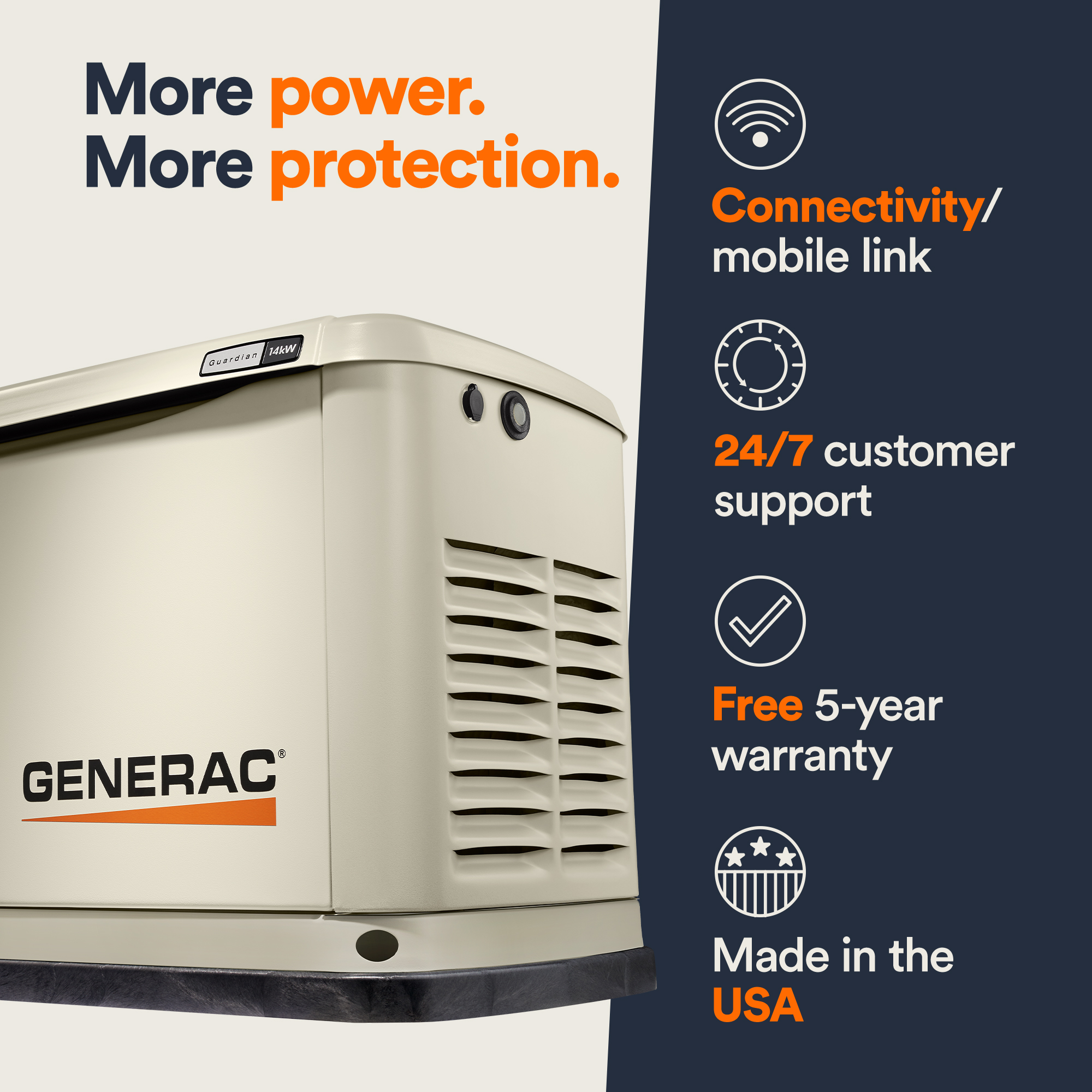
Credit: www.generac.com
Typical Lifespan Of Home Standby Generators
Home standby generators usually last between 10 to 30 years, depending on many factors. The average lifespanis often around 20 yearswith proper care and maintenance.
Generators are rated by the number of hours they can run. Typical models last between 10,000 to 30,000 hours. This depends on how often they run and how well they are maintained.
| Fuel Type | Average Lifespan (Years) | Estimated Running Hours |
|---|---|---|
| Natural Gas | 20 – 30 | 20,000 – 30,000 |
| Propane | 15 – 25 | 15,000 – 25,000 |
| Diesel | 10 – 20 | 10,000 – 20,000 |
Proper fuel qualityand regular servicinghelp extend generator life. Always check the manufacturer’s guide for details.
Signs Your Generator Needs Replacement
Frequent breakdowns show your generator may be failing. It stops working often and needs many repairs. This interrupts power supply and raises repair costs.
Declining performance means the generator runs weaker than before. It may not power all your home appliances fully or for long.
Increased fuel consumption is a sign the generator uses more fuel to run the same time. This raises operating costs and wastes fuel.
Noise and emission changes mean the generator gets louder or releases more smoke. These changes can signal engine or exhaust problems.

Credit: danley911.com
Extending Your Generator’s Life
Regular maintenancekeeps your generator working well. Change oil and filters often. Clean the air filter to stop dust build-up. Test the battery and replace it if weak. Run the generator at least once a month to keep parts moving.
Store the generator in a dry, cool place. Avoid places with high humidity or dust. Cover it with a waterproof cover when not in use. Use fuel stabilizers to keep fuel fresh and avoid damage.
Have a professional inspectyour generator yearly. They can find small problems early. Check spark plugs, wiring, and fuel lines. Professional checks help avoid costly repairs later.
Upgrading some parts can extend generator life. Use high-quality spark plugs and filters. Replace old batteries with better ones. Upgrades improve performance and reliability.
Cost Considerations Over Generator’s Life
The initial purchaseprice of a standby generator varies by size and brand. Installation costs depend on your home’s wiring and setup needs. Professional installation ensures safety and proper function.
Maintenance and repaircosts include regular oil changes, filter replacements, and occasional part fixes. Keeping up with maintenance helps the generator last longer and work better.
Fuel costsdepend on the type of fuel used—natural gas, propane, or diesel. Fuel efficiency affects how much you spend during power outages or regular testing.
Planning for replacementmeans saving money over time. Generators usually last 10-15 years but may need replacement sooner if repairs become frequent or costly.
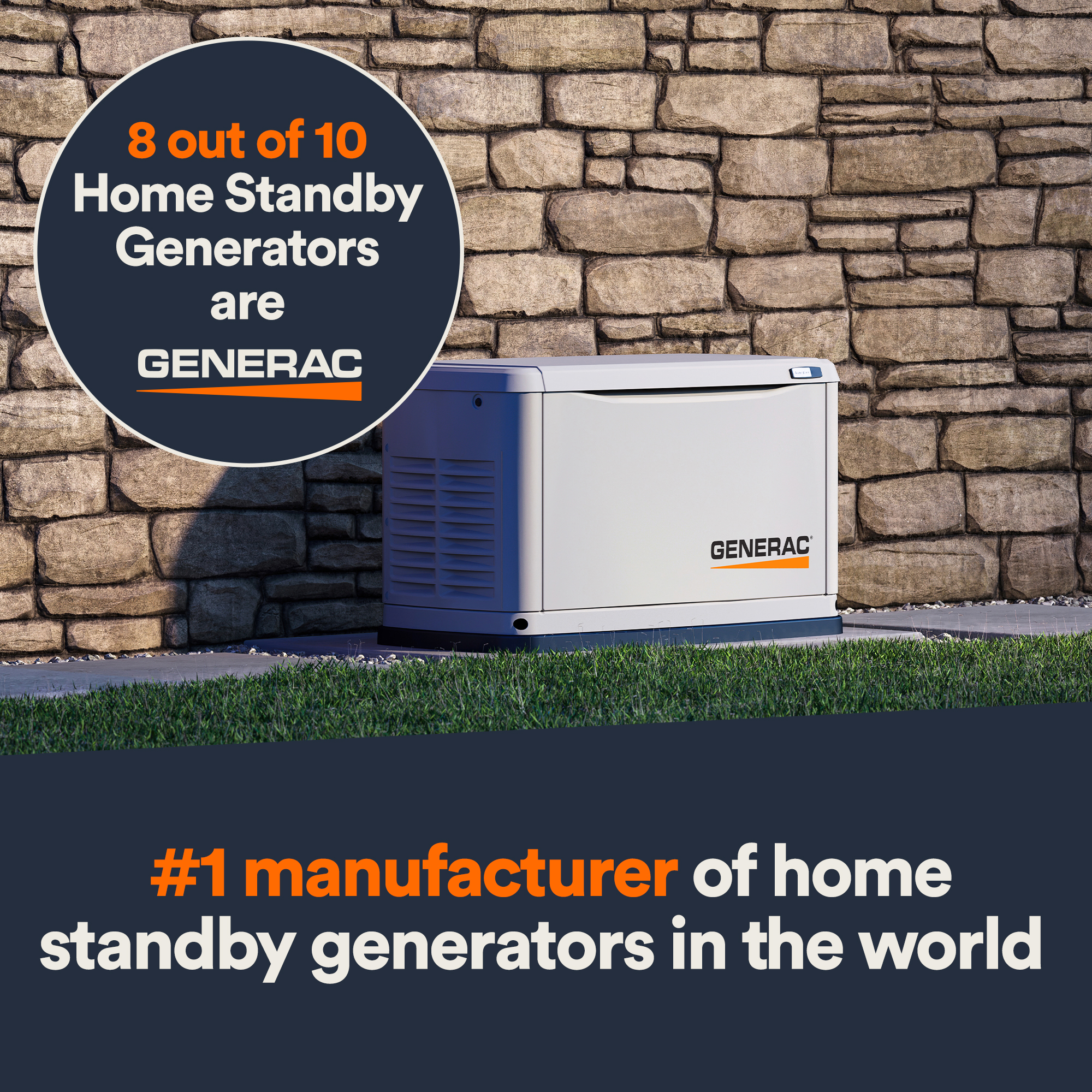
Credit: www.generac.com
Frequently Asked Questions
How Long Do Home Standby Generators Typically Last?
Home standby generators usually last between 10 to 20 years. Regular maintenance and proper usage significantly extend their lifespan. Quality of parts and installation also impact durability.
What Factors Affect A Generator’s Lifespan?
Factors like maintenance frequency, fuel type, usage hours, and environmental conditions affect generator lifespan. Proper care and timely repairs help maximize performance and longevity.
How Often Should Standby Generators Be Serviced?
Standby generators should be serviced at least once a year. Regular inspections prevent breakdowns and ensure reliable operation during power outages.
Can Generator Lifespan Be Extended With Maintenance?
Yes, routine maintenance like oil changes, filter replacements, and battery checks extends generator life. Scheduled servicing keeps components in optimal condition and reduces wear.
Conclusion
Home standby generators can last many years with proper care. Regular maintenance keeps them running smoothly and extends their life. Choosing a reliable brand also helps ensure long-term performance. Remember to check parts like the battery and filters often. This prevents breakdowns during power outages.
A well-maintained generator provides peace of mind and reliable power. Planning for regular service is smart and saves money. Your generator is an important backup for your home’s energy needs. Keep it in good shape to protect your family and property.