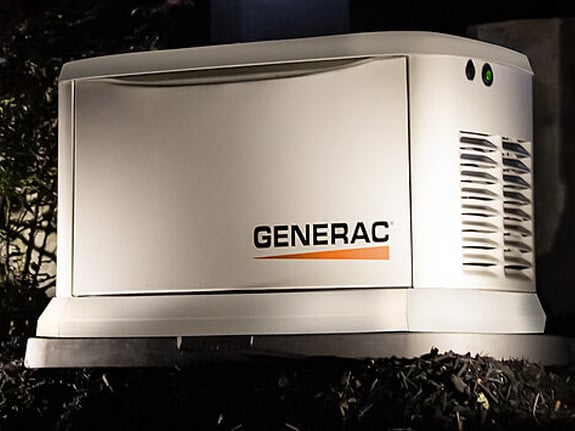
When the lights go out, and your home is plunged into darkness, a standby generator becomes your unsung hero. But as you rely on this powerhouse to keep your household running smoothly, have you ever wondered just how long it will last?
Understanding the lifespan of standby generators is crucial for anyone looking to protect their home from unexpected outages. You want to invest wisely and ensure your family stays safe and comfortable no matter what. You’ll discover the factors that affect your generator’s longevity and how you can maximize its lifespan.
Stick around, because knowing how long your standby generator will last can make all the difference in your preparedness and peace of mind.

Credit: www.generac.com
Lifespan Factors
Usage frequencyaffects a generator’s lifespan. Frequent use means more wear and tear. Generators used only in emergencies often last longer. Running a generator regularly keeps parts working well but can shorten overall life if overused.
Maintenance is key. Regular oil changes, filter cleaning, and part checks help the generator run smoothly. Neglecting maintenance causes damage and shortens lifespan. Keeping a maintenance schedule extends generator life.
| Fuel Type | Impact on Lifespan |
|---|---|
| Natural Gas | Clean burning, less wear, longer life |
| Propane | Stable fuel, good for long life |
| Diesel | Powerful but needs more care |
| Gasoline | Common but can cause engine issues |
Environmental conditionsplay a big role. Dust, moisture, and extreme temperatures cause damage. Keeping the generator in a clean, dry place helps it last longer. Protecting from harsh weather is important.

Credit: solarpowerstore.ca
Average Generator Lifespan
Standby generators usually last between 10 to 30 years. This depends on how often they run and how well they are kept. Regular maintenancelike oil changes can extend life.
| Brand | Average Lifespan (Years) | Notes |
|---|---|---|
| Generac | 15 – 20 | Popular for home use, easy parts |
| Kohler | 20 – 30 | Known for durability and performance |
| Briggs & Stratton | 10 – 15 | Cost-effective but shorter lifespan |
Generators for residential useoften last longer because they run less. Commercial generatorsrun more often and face more stress. This can reduce their lifespan.
- Residential: 15-30 years, used only during outages
- Commercial: 10-20 years, used daily or for long hours
Maintenance Tips
Regular inspection helps keep your standby generator reliable. Check for leaks, rust, and wear often. Look at fuel lines and connections for damage. Clean dirt and dust from the unit.
Oil and filter changes are key for engine health. Change oil every 100 hours or as the manual says. Replace filters at the same time to stop dirt from entering the engine.
Battery care ensures your generator starts fast. Keep battery terminals clean and tight. Test battery voltage monthly and replace if weak. Use a trickle charger to keep it charged during long idle times.
Load testing checks if the generator can handle power demands. Run the generator under load for 30 minutes every few months. This helps spot problems early and keeps the engine ready for use.
Signs Of Wear
Performance issuesoften signal that a standby generator needs attention. The generator may run unevenly or fail to provide stable power. This can lead to frequent power interruptions.
Noise levelsrising above normal can mean worn parts or loose components. Generators usually make a steady sound, so unusual noises indicate problems.
Starting difficultiesare common signs of aging. If the generator struggles to start or doesn’t start at all, its battery or starter motor might be failing.
Fuel efficiency dropshows the generator is using more fuel than usual for the same output. This can mean clogged filters or engine wear, leading to higher running costs.
Extending Generator Life
Proper storagekeeps the generator safe during long periods of no use. Store it in a dry, cool place to avoid damage from moisture and dust. Cover the generator to protect it from dirt.
Professional servicinghelps spot problems early. Regular checks by experts keep the generator running smoothly. Change oil, filters, and spark plugs as recommended.
Upgrading componentscan improve performance and extend life. Replace old parts with newer, better versions. This helps the generator work more efficiently.
- Safe operating practicesprevent damage. Avoid overloading the generator.
- Use it only as the manual says.
- Turn it off properly after use.
Replacement Considerations
Deciding between repairingor replacinga standby generator depends on cost and condition. Repair costs can rise quickly with older units. New models often come with better energy efficiency, saving money over time.
Technological advances mean newer generators run cleaner and quieter. They also start faster and need less maintenance. These improvements can make a new generator a smart choice.
Check the warrantyand support options before buying. Longer warranties offer peace of mind. Good customer service helps if problems arise.
| Factor | Considerations |
|---|---|
| Cost Vs Repair | High repair costs may justify replacement |
| Technological Advances | New models are quieter and more reliable |
| Energy Efficiency | Modern units use less fuel and save money |
| Warranty and Support | Longer warranties and good service reduce risk |
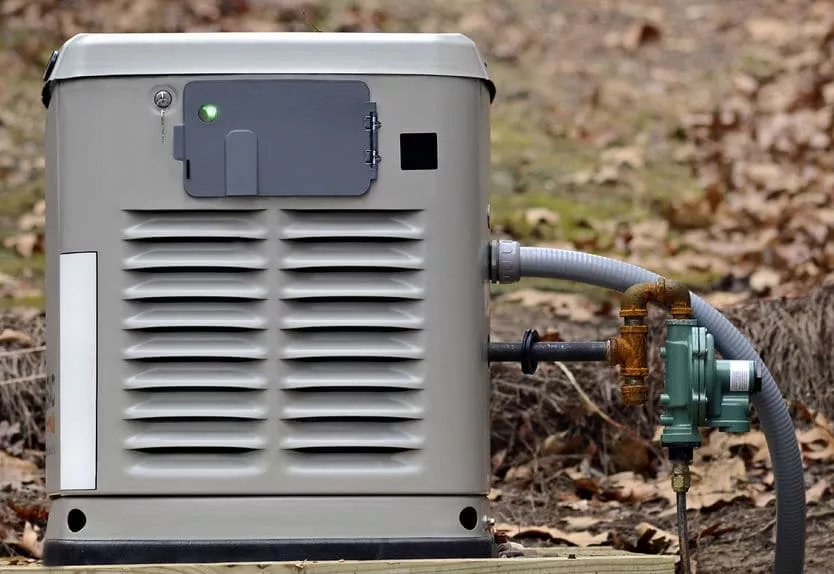
Credit: www.premium-electric.ca
Frequently Asked Questions
How Long Do Standby Generators Typically Last?
Standby generators usually last 20 to 30 years with proper maintenance. Regular servicing and timely repairs help extend their lifespan significantly.
What Factors Affect Standby Generator Lifespan?
Fuel type, maintenance, usage frequency, and environmental conditions impact lifespan. Proper care and quality fuel improve durability and performance.
How Often Should Standby Generators Be Serviced?
Standby generators should be serviced annually or every 100 hours of use. Regular checks ensure reliability and prevent unexpected breakdowns.
Can Standby Generators Last Longer With Maintenance?
Yes, routine maintenance like oil changes and battery checks can extend lifespan. Neglecting maintenance often leads to premature failure and costly repairs.
Conclusion
Standby generators can last many years with proper care. Regular maintenance keeps them running smoothly. Fuel quality and usage affect their lifespan too. Choosing a reliable brand helps ensure durability. Small repairs prevent bigger problems later on. Knowing how long your generator lasts helps you plan better.
Always check your unit’s condition before storms or outages. Trustworthy standby generators provide peace of mind during power cuts. Taking simple steps now saves money and stress later. Stay prepared and enjoy reliable power when you need it most.