
How long can you rely on your standby generator to keep the lights on during a power outage? If you’ve ever been caught in a blackout, you know how crucial it is to have a dependable backup plan.
Your standby generator is like your safety net, ready to spring into action when the unexpected happens. But how long can it really sustain your home or business operations? Understanding the runtime of your generator is essential for proper planning and peace of mind.
We’ll uncover the factors that influence how long a standby generator can run, ensuring you’re fully prepared the next time the power goes out. Stay with us to learn how to make the most of your generator’s potential and ensure you’re never left in the dark.
Types Of Standby Generators
Portable generatorsare smaller and easy to move. They work well for short power outages or outdoor use. These generators run on gasoline or propane. They usually provide power for a few hours before needing a refill.
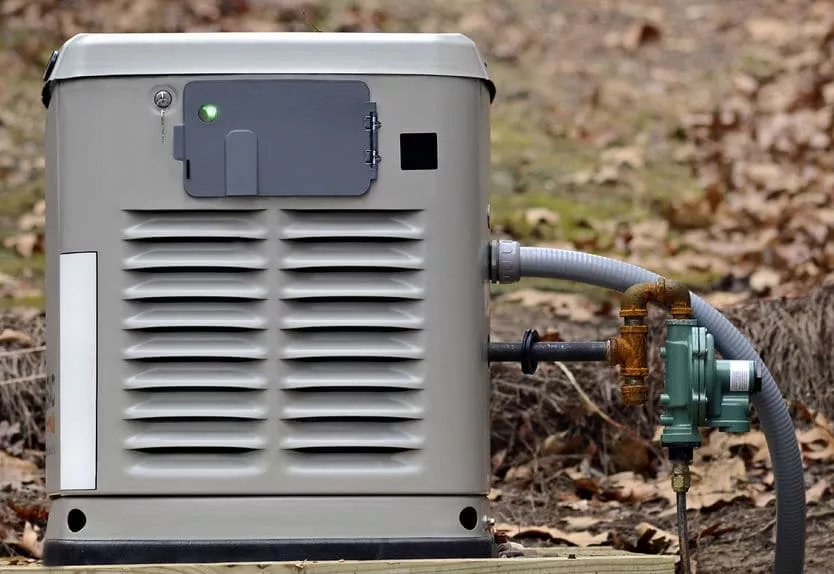
Permanent standby generatorsare fixed outside homes or buildings. They turn on automatically during power cuts. These are larger and run on natural gas or diesel. They can run for many hours, depending on fuel availability.
| Fuel Source | Common Use | Run Time |
|---|---|---|
| Gasoline | Portable generators | 4-8 hours per tank |
| Propane | Portable and some standby | 6-12 hours per tank |
| Natural Gas | Permanent standby | Runs as long as gas supply lasts |
| Diesel | Permanent standby | Long run times with large tanks |
Credit: www.generac.com
Factors Influencing Runtime
Fuel capacityis key to how long a standby generator runs. Bigger tanks hold more fuel and let the generator work longer without refilling.
Load sizeaffects runtime too. The more devices connected, the harder the generator works. Running many appliances drains fuel faster.
Generator efficiencymeans how well it uses fuel. A more efficient generator will run longer on the same amount of fuel.
Environmental conditionsalso play a role. Extreme cold or heat can reduce generator performance and shorten runtime.
Typical Runtime For Common Models
Standby generators usually run for several hours to days, depending on fuel type and capacity. Most common models can operate continuously during power outages with proper fuel supply. Runtime varies widely based on usage and maintenance.
Small Residential Units
Small standby generators usually run for about 8 to 12 hourson a full tank. They use gasoline or propane as fuel. These units are best for short power outages. They keep your home essentials running, like lights and a fridge.
Medium-sized Generators
Medium generators can operate for 12 to 24 hourswithout refueling. They often use natural gas or diesel. These are good for longer outages. They power larger homes or small businesses.
Large Commercial Systems
Large commercial generators can run 24 hours or morecontinuously. They use diesel or natural gas. These systems support big buildings or factories. They may have automatic refueling options.
Credit: www.premium-electric.ca
Fuel Types And Runtime Impact
Natural gasoffers a steady fuel supply through pipelines. It allows standby generators to run for extended hours without refilling. This fuel type is cleaner and requires less maintenance.
Propaneis stored in tanks and provides long runtimes. It burns cleaner than gasoline and diesel. Propane tanks need refilling depending on their size and generator consumption.
Dieselis powerful and efficient. It supports longer run times than gasoline but requires regular fuel checks. Diesel generators tend to be louder and need more maintenance.
Gasolineis easy to find but has a shorter runtime. It evaporates faster and needs frequent refills. Gasoline generators are usually less expensive but less durable.
Maintaining Optimal Runtime
Keeping a standby generator running well needs regular maintenance. Check the oil and air filters often. Replace parts as the manual says. This helps the generator work longer and avoid problems.
Storing fuel correctly is very important. Use containers made for fuel. Keep fuel in a cool, dry place, away from sunlight. Old fuel can cause the generator to stop working. Rotate your fuel supply every few months for best results.
Managing the load on the generator helps it run longer. Turn off devices that are not needed. Use energy-saving bulbs and appliances. Less load means the generator uses less fuel and lasts more hours.
Extending Generator Runtime
Adding fuel storagelets a generator run longer without stopping. Extra tanks or fuel containers keep more gas ready. This means the generator can work through long power outages. Store fuel safely and follow local rules.
Automatic Transfer Switches(ATS) switch power from the main source to the generator fast. This stops power loss during outages. ATS helps the generator start and run without delay. It also protects devices from power surges.
Implementing load sheddingsaves fuel and extends runtime. Turn off non-essential devices to lower power use. This reduces the generator’s load. It runs longer and uses less fuel. Prioritize important appliances only.
Safety Considerations During Extended Use
Proper ventilationis essential for safe generator use. Standby generators produce carbon monoxide (CO), a deadly gas. Always place generators outdoors, away from windows and doors, to keep fresh air flowing. Avoid running generators in closed spaces like garages or basements.
CO risks are serious. This gas can cause headaches, dizziness, or death. Install CO detectors in your home for early warning. Never ignore symptoms of CO poisoning.
- Store fuel in approved containers.
- Keep fuel away from heat or flames.
- Refuel only when the generator is off and cool.
- Use the correct fuel type as per the manual.
- Handle fuel carefully to avoid spills and fire hazards.
Credit: www.abt.com
Frequently Asked Questions
How Long Can A Standby Generator Run Continuously?
Standby generators can typically run for 24 to 48 hours continuously. Runtime depends on fuel type, tank size, and load demand. Proper maintenance ensures longer operation without interruptions.
What Factors Affect Standby Generator Runtime?
Fuel capacity, load size, and generator efficiency mainly affect runtime. Larger fuel tanks and lower loads extend operation time. Regular servicing also improves performance and reliability.
Can A Standby Generator Run Indefinitely?
With an adequate fuel supply and proper maintenance, some standby generators can run indefinitely. However, continuous monitoring is essential to prevent overheating and mechanical issues.
How Often Should Standby Generator Fuel Be Replaced?
Generator fuel should be replaced or treated every 6 to 12 months. Fresh fuel ensures optimal performance and prevents engine damage. Always follow manufacturer guidelines for fuel storage.
Conclusion
Standby generators can run for many hours without stopping. Their run time depends on fuel type and tank size. Regular maintenance helps them work longer and better. Knowing how long your generator runs helps plan during power outages. Choose a generator that fits your home needs.
Keep fuel ready for longer backup power. A reliable generator brings peace during storms or blackouts. Simple care and smart use extend its life. Power outages won’t catch you off guard anymore.