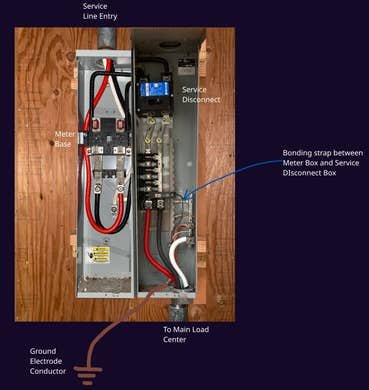
Have you ever wondered about the lifespan of your transfer switch? This crucial component ensures your home or business maintains power during an outage, but like all things, it won’t last forever.
Knowing how long transfer switches last can save you from unexpected power interruptions and costly repairs. Imagine the peace of mind you’ll have knowing exactly when to expect a replacement or maintenance. We’ll dive into the factors that affect the longevity of your transfer switch and give you the insights you need to plan ahead effectively.
Keep reading to discover how to maximize your investment and ensure your power backup system is always ready when you need it most.
Types Of Transfer Switches
Transfer switches come in manual and automatic types, each with different lifespans. Manual switches often last longer due to simpler parts. Automatic switches may need replacement sooner because of frequent use and complex components.
Manual Transfer Switches
Manual transfer switchesneed a person to switch power sources. They are simple and cost less. Users turn the switch to move from the main power to backup power. These switches are good for places where power outages are rare. They last about 20 to 30 yearsif maintained well.
Automatic Transfer Switches
Automatic transfer switchesswitch power sources by themselves. They detect power loss and start backup power quickly. These switches are common in hospitals and big buildings. They last around 15 to 25 years. Regular checks help keep them working longer.
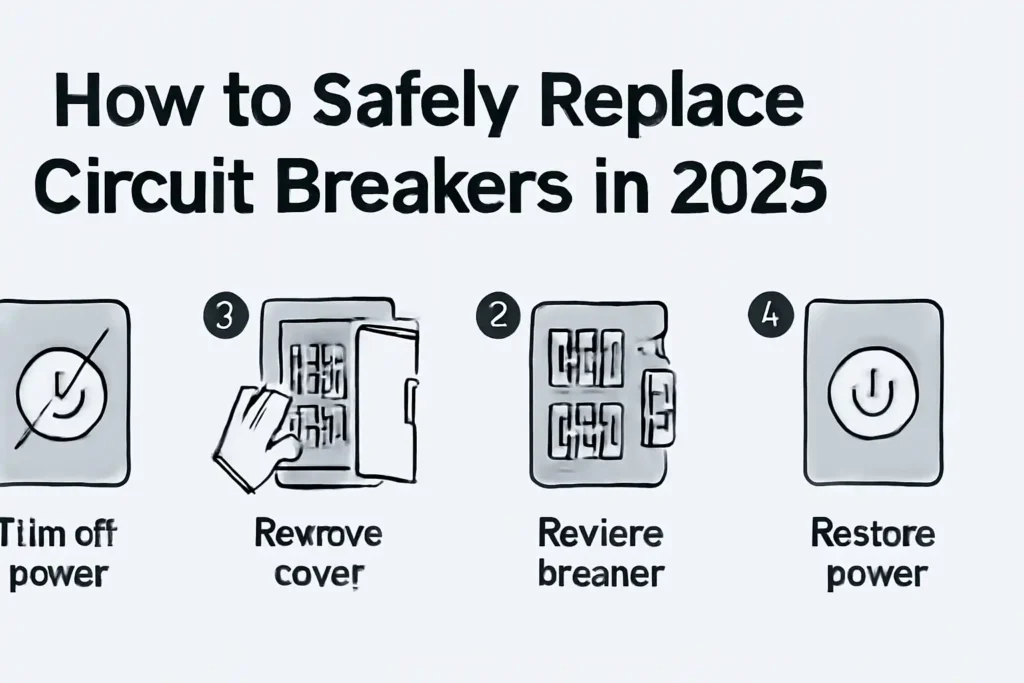
Credit: www.onesto-ep.com
Factors Affecting Lifespan
Quality of componentsplays a big role in how long transfer switches last. High-quality parts mean better durability and fewer breakdowns. Cheaper parts may wear out fast.
Installation practicesalso matter. Proper setup by skilled electricians ensures the switch works well and lasts longer. Poor installation can cause damage.
Frequency of useaffects lifespan too. Switches used often may wear out quicker. Less frequent use can help them last many years.
Environmental conditionsimpact the switch’s health. Exposure to moisture, dust, or extreme temperatures can cause problems. Keeping the switch in a safe place helps.
Maintenance routineis key. Regular checks and cleaning keep the switch in good shape. Neglecting maintenance can lead to failure faster.
Average Lifespan Expectations
The average lifespanof transfer switches usually falls between 10 to 30 years. This depends on usage, quality, and maintenance. Proper care can extend their life. Regular checks help spot problems early. Avoiding overloads also protects the switch.
| Type of Transfer Switch | Typical Lifespan | Key Differences |
|---|---|---|
| Manual Transfer Switch | 15 – 30 years | Simple design, fewer parts, longer life |
| Automatic Transfer Switch (ATS) | 10 – 20 years | More complex, electronic parts wear faster |
- Manual switches last longer due to simpler mechanics.
- Automatic switches offer convenience but may need repairs sooner.
- Environmental factors also affect lifespan, like moisture and dust.
Signs Of Wear And Failure
Physical damage indicatorsinclude cracks, rust, and loose parts on the switch. These signs show the switch may not work well. Dirt or corrosion around the contacts can cause poor connection. Look for burnt marks or melted plastic as these hint at overheating.
Operational issuesshow when the switch does not change power sources smoothly. It may stick in one position or make strange noises. Delayed switching or failure to switch are clear warnings. Frequent tripping of the switch also signals problems.
Electrical performance problemsinclude flickering lights or power loss during transfer. Voltage drops or spikes can happen if the switch is failing. Testing with a multimeter might reveal unstable current flow. These issues can harm connected devices and need quick action.
Extending Transfer Switch Lifespan
Regular inspections catch small problems before they grow. Check for loose wires and signs of wear often. This helps keep the switch working well.
Proper cleaning removes dust and dirt that can cause damage. Use a dry cloth and avoid water near the switch. Clean parts carefully to stop rust and buildup.
Timely repairs fix issues fast and stop further damage. Replace broken parts quickly to keep the switch safe and reliable. Don’t wait until problems get worse.
Upgrading components improves switch performance and life. New parts can handle power better and last longer. Keep the switch updated with better technology.
Credit: www.renogy.com
Replacement Considerations
Transfer switches usually last 10 to 30 years, depending on usage and quality. Signs to replace include frequent failures, strange noises, or physical damage. Also, if the switch can’t handle your current power needs, it’s time for a new one.
Choosing a new transfer switch means checking these points:
- Power capacity:Match your home’s power needs.
- Type:Manual or automatic switch.
- Compatibility:Works with your generator and home system.
- Durability:Made for your climate and conditions.
Professional installation is key for safety and function. Experts will:
- Ensure proper wiring and grounding.
- Test the switch for correct operation.
- Follow local codes and rules.
- Provide advice on maintenance and use.

Credit: www.bluettipower.com
Frequently Asked Questions
How Long Do Transfer Switches Typically Last?
Transfer switches usually last between 10 to 30 years. Their lifespan depends on usage, maintenance, and quality. Regular inspections can extend their service life. High-quality switches with proper care tend to last longer and perform reliably during power outages.
What Factors Affect Transfer Switch Lifespan?
Factors include usage frequency, environmental conditions, and maintenance quality. Harsh weather and dust can reduce lifespan. Regular cleaning and professional servicing improve durability. Choosing a durable model suited for your environment also helps ensure longer-lasting performance.
Can Transfer Switches Fail Prematurely?
Yes, poor maintenance, electrical faults, or physical damage can cause early failure. Overloading the switch beyond its rating also shortens its life. Timely inspections and repairs help prevent unexpected failures and maintain efficient operation.
How Do I Maintain A Transfer Switch Properly?
Schedule regular inspections and clean the switch components. Check for loose connections and signs of wear or corrosion. Follow manufacturer guidelines for servicing intervals and procedures. Proper maintenance ensures safety and extends the switch’s operational life.
Conclusion
Transfer switches usually last 10 to 30 years with proper care. Regular checks help spot problems early. Clean and test the switch yearly for best results. Avoid overloading to keep it working well. Quality and usage affect how long it lasts.
Remember, a well-maintained switch keeps power safe and steady. Choose the right switch for your needs. Keep it maintained, and it will serve you for years. Simple steps ensure your transfer switch stays reliable and strong.