
When the power goes out, your standby generator becomes your lifeline. But have you ever wondered how long that lifeline will last?
Knowing the lifespan of your standby generator can help you plan better and avoid unexpected surprises when you need it most. You’ll discover the key factors that affect how long your generator lasts and simple tips to extend its life.
Keep reading to make sure your home stays powered no matter what.
Factors Influencing Generator Lifespan
Build qualityand brand reputationplay a big role in how long a standby generator lasts. Well-known brands often use better parts that last longer. Cheaper models may break down sooner.
Usage frequencymatters too. A generator used only during power outages will last longer than one running daily. More hours of use means more wear and tear.
Regular maintenancekeeps the generator working well. Changing oil, filters, and checking parts help avoid damage. Poor care can shorten its life.
| Fuel Type | Storage Impact | Effect on Lifespan |
|---|---|---|
| Gasoline | Must be fresh; degrades quickly | Shorter if fuel is old |
| Propane | Stored well, lasts longer | Extends generator life |
| Diesel | Needs proper storage to avoid gelling | Can last long with care |
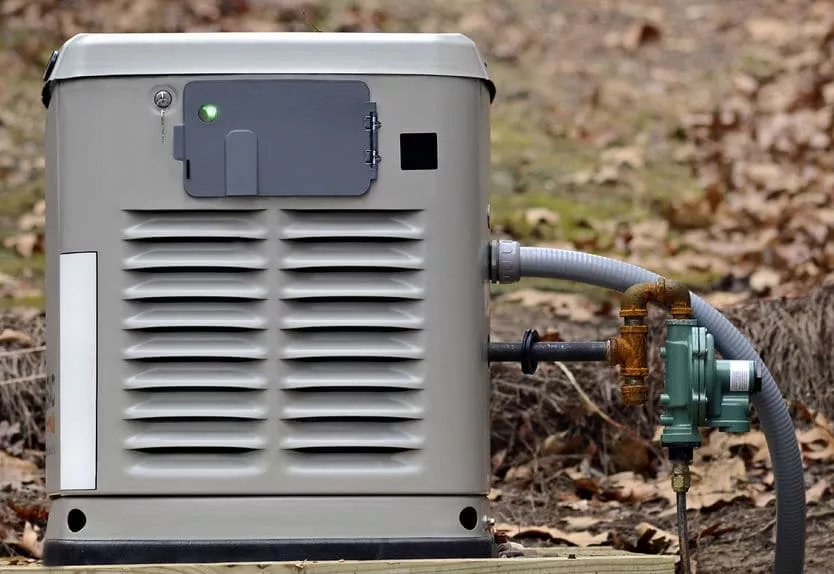
Credit: www.premium-electric.ca
Typical Lifespan Of Standby Generators
Standby generators usually last 10 to 30 years. The exact time depends on usage and care. Regular maintenance can extend life. Neglect can shorten it.
Generators are rated by hours. Most run about 1500 to 3000 hoursbefore major repairs. This means if used for 200 hours a year, they last 7 to 15 years.
| Generator Size | Typical Lifespan (Years) | Hour-Based Lifespan |
|---|---|---|
| Small (5-10 kW) | 10 – 15 | 1500 – 2500 hours |
| Medium (10-20 kW) | 15 – 20 | 2000 – 3000 hours |
| Large (20+ kW) | 20 – 30 | 2500 – 3500 hours |
Signs Your Generator Needs Replacement
Decreased performanceoften signals a failing generator. It may take longer to start or fail to run at full power. This can cause problems during power outages and affect your home’s electricity supply.
Frequent repairsindicate underlying issues. If you spend more on fixing the generator than on regular maintenance, it might be time to replace it. Constant breakdowns can be costly and inconvenient.
Excessive noise and emissionsshow the generator is struggling. Loud sounds or strong fumes are signs of engine trouble or poor fuel use. These issues can harm the environment and reduce safety around your home.
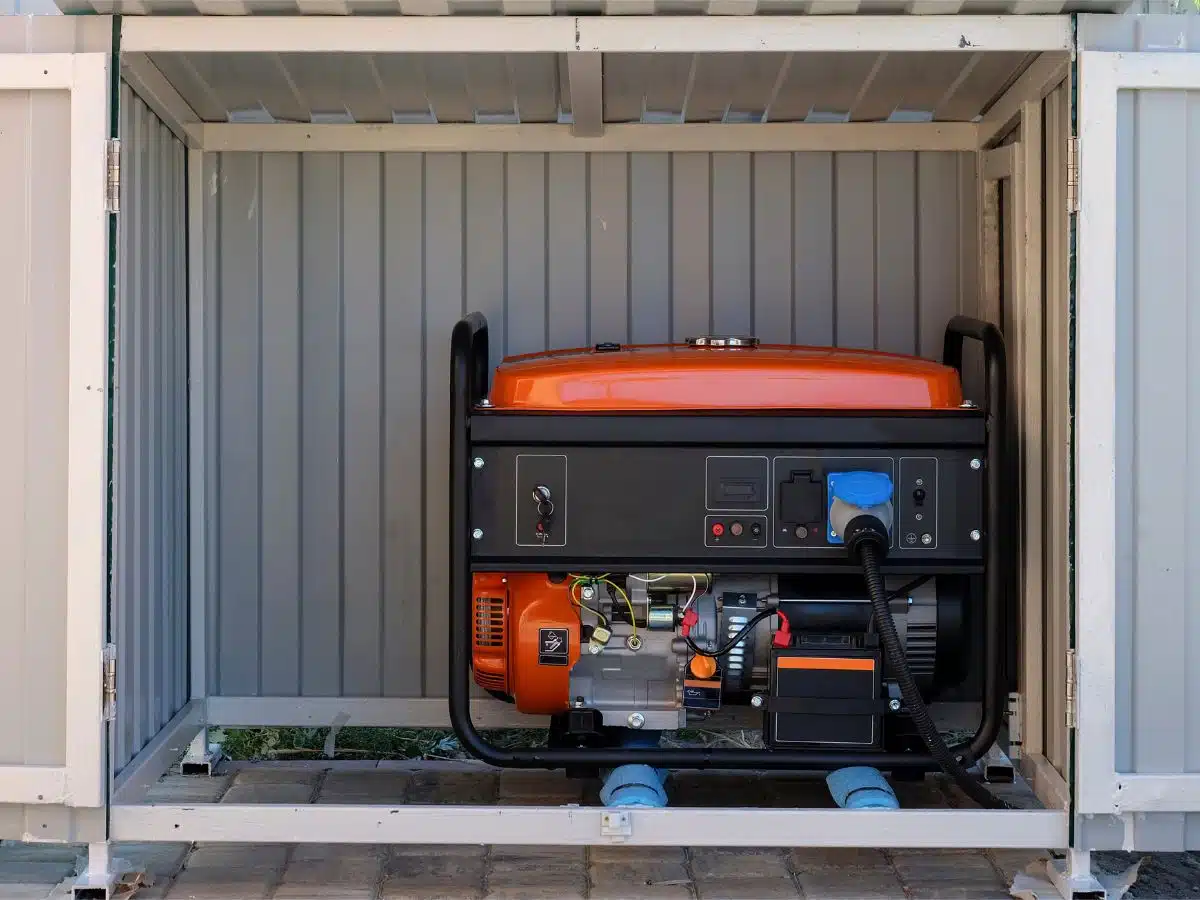
Credit: flpowersolutions.com
Extending The Life Of Your Generator
Routine maintenancekeeps your generator running longer. Check oil and air filters regularly. Change oil every 50-100 hours of use. Clean the spark plug to avoid starting issues. Test the battery and keep it charged. Run the generator monthly for 20-30 minutes to prevent fuel problems.
Proper storagehelps protect your generator. Store it in a dry, cool place away from dust. Use fuel stabilizers to keep gasoline fresh. Drain fuel if storing for more than six months. Cover the generator with a breathable cover to avoid moisture buildup.
- Do not overload:Keep load within generator capacity.
- Prioritize essential devices:Use power for critical appliances first.
- Turn off unused devices:Reduce unnecessary power use.
- Balance load:Spread power use evenly across outlets.
Cost Considerations Over Generator Lifespan
Maintenance expenseskeep a generator running smoothly. Regular oil changes, filter replacements, and inspections cost money but prevent big problems. Small fixes now save large repair bills later.
Fuel costsdepend on generator type and usage. Gasoline and diesel prices vary. Natural gas is often cheaper but needs a steady supply. Fuel efficiency impacts how much you spend over time.
| Replacement | Repair |
|---|---|
| High upfront cost | Lower immediate cost |
| Long-term reliability | May need frequent fixes |
| New warranty included | No warranty, riskier |
| Better fuel efficiency | Older models use more fuel |
Technological Advances And Lifespan Impact
Improved engine designs have made standby generators more durableand efficient. Engines now run smoother and use less fuel. This means they can work for a longer timewithout breaking down.
Smart monitoring systems help track generator health. They send alerts for maintenanceneeds and problems. This helps fix issues before they become serious. Generators last longer with regular care.
New environmental regulations push for cleaner engines. These rules reduce pollutionand improve fuel use. Generators built to meet these rules often have better parts. This also adds to their lifespan.

Credit: lghomecomfort.ca
Frequently Asked Questions
How Long Do Standby Generators Typically Last?
Standby generators usually last between 20 to 30 years with proper maintenance. Regular servicing extends their lifespan and ensures reliable performance during power outages.
What Factors Affect A Standby Generator’s Lifespan?
Generator lifespan depends on maintenance, usage frequency, fuel type, and environmental conditions. Proper care and timely repairs significantly improve longevity and efficiency.
How Often Should A Standby Generator Be Serviced?
It’s recommended to service standby generators at least once a year. Regular check-ups prevent breakdowns and keep the generator running smoothly during emergencies.
Can A Standby Generator Last Without Regular Use?
Yes, but lack of use can cause fuel degradation and mechanical issues. Running the generator monthly under load helps maintain its condition and readiness.
Conclusion
Understanding the lifespan of a standby generator helps in planning maintenance. Typically, these generators last between 10 to 30 years. Regular servicing can extend their life. Make sure to follow the manufacturer’s guidelines. Choosing the right size and model also matters.
It ensures efficiency and longevity. Always consult professionals for installation and service. This protects your investment. Reliable power during outages is essential. A well-maintained generator ensures peace of mind. Consider your specific needs and usage. This will help in maximizing its lifespan.
Investing time in care pays off in reliability.