Are you considering the security and peace of mind a standby generator can offer for your home or business? You might wonder how long it actually takes to install one of these reliable power sources.
If you’re like most people, you want to ensure you’re making a wise investment without disrupting your daily routine. Imagine the comfort of knowing your home will stay powered during unexpected outages. We’ll explore the installation timeline of standby generators, breaking down the process so you can plan accordingly.
Stick with us to discover exactly what to expect and how you can prepare for a seamless installation experience. Your journey to uninterrupted power starts here.

Credit: www.angi.com
Factors Affecting Installation Time
The sizeand typeof the generator play a big role in installation time. Larger models need more work and take longer.
Preparing the site can add time too. Clearing space, leveling ground, and making a solid base all take hours or days.
The electrical systemcomplexity affects timing. Simple setups are faster, but complex wiring and connections need more care.
Getting permitsand passing inspections can delay the process. Some areas require multiple approvals before starting.
| Factor | Impact on Time |
|---|---|
| Generator Size and Type | Large units take longer to install than small ones. |
| Site Preparation Needs | Clearing and leveling the site can add days. |
| Electrical System Complexity | More wiring and parts mean longer installation. |
| Permits and Inspections | Waiting for approvals can delay the start. |
Typical Installation Timeframes
Installation of a standby generator usually takes one to three days. Time depends on site conditions, permits, and complexity of the electrical work. Quick, professional setup ensures your home has backup power without long delays.
Small Residential Generators
Installing a small residential generator usually takes about 4 to 8 hours. The process includes setting up the unit, wiring, and testing. Most installations finish in a single day. This is ideal for homes needing backup power for a few essential appliances.
Larger Residential And Commercial Units
Larger units require more time, often between 1 to 3 days. The setup involves more complex wiring and permits. Commercial systems may need extra equipment and inspections. The installation team may work in phases to ensure safety and efficiency.
Step-by-step Installation Process
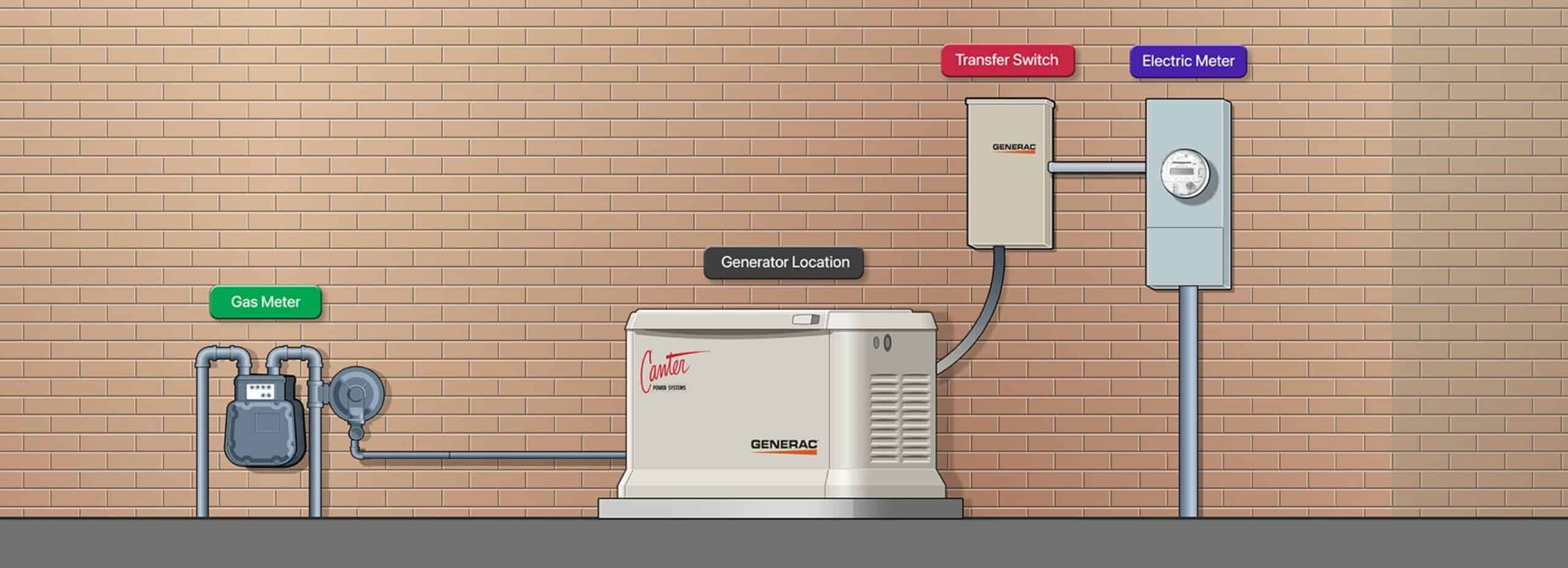
A site assessment checks the best location for the standby generator. It looks at space, noise rules, and safety. Planning includes deciding where to put the unit and how to connect it to your home.
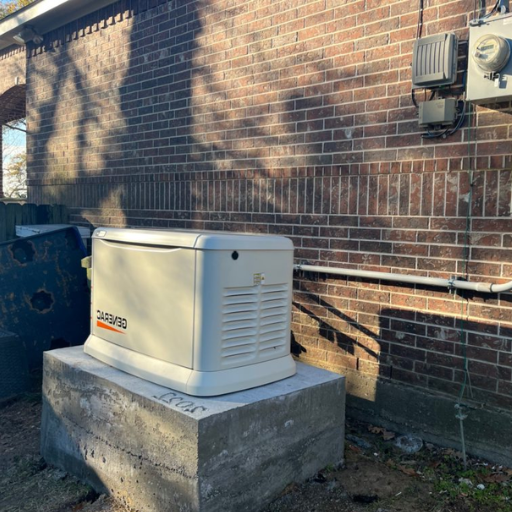
Preparing the site means clearing the ground and making a flat base. This base holds the generator firmly. It stops movement and keeps the generator safe from water.
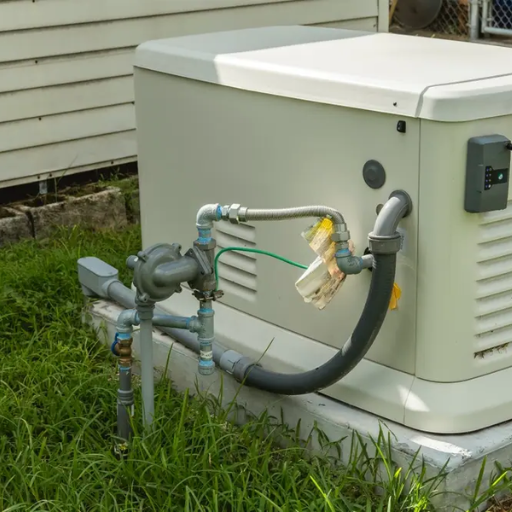
Electrical connections link the generator to your home’s power system. Plumbing connections are for gas or fuel lines. Experts make sure all connections are safe and meet local codes.
Testing the generator checks if it runs well and powers the home correctly. Commissioning means the system is ready to use. Technicians explain how to operate and maintain it.
Credit: shgeneratorset.com
Common Delays And How To Avoid Them
Permit approval delaysoften slow down generator installation. Local rules require specific permits. These can take weeks to get. Missing documents or errors cause extra wait time. Planning ahead and checking permit needs can speed this up.
Unexpected site issuesalso cause delays. Problems like bad soil, hidden pipes, or old wiring appear during setup. These need fixing before work continues. A site survey before installation helps find issues early and avoid surprises.
Weather impactsaffect the timeline too. Rain, snow, or strong winds stop outdoor work. Cold weather can slow down equipment and worker speed. Checking weather forecasts and scheduling in good weather helps keep the project on track.
Tips For A Smooth Installation
Choosing the right contractoris key for a smooth generator installation. Find someone with good reviewsand proper licenses. Ask about their experiencewith standby generators. Clear communication helps avoid delays.
Scheduling and coordinationwith the contractor and utility company is important. Confirm all permits are in place before starting. Plan for the installation to take several hours to a few daysdepending on site conditions.
| Pre-Installation Checklist |
|---|
|
Credit: canterpowersystems.com
Frequently Asked Questions
How Long Does Standby Generator Installation Usually Take?
Standby generator installation typically takes 1 to 3 days. The exact time depends on site conditions and system complexity. Professional installation ensures proper setup and safety.
What Factors Affect Standby Generator Installation Time?
Installation time varies due to generator size, electrical work needed, and local permits. Site accessibility and weather conditions also impact timing.
Can I Use My Standby Generator Immediately After Installation?
Yes, once installed and tested by professionals, the standby generator is ready for use. Initial testing ensures it functions correctly during power outages.
Is Professional Installation Necessary For Standby Generators?
Professional installation is crucial to meet safety standards and local codes. Experts handle electrical connections, permits, and proper placement efficiently.
Conclusion
Installing a standby generator usually takes a few days. This depends on the size and complexity of the system. A professional installer helps make the process smooth and fast. Proper permits and inspections can add time. Planning ahead avoids delays and surprises.
Once installed, the generator offers peace of mind during power outages. Being prepared is always a smart choice.