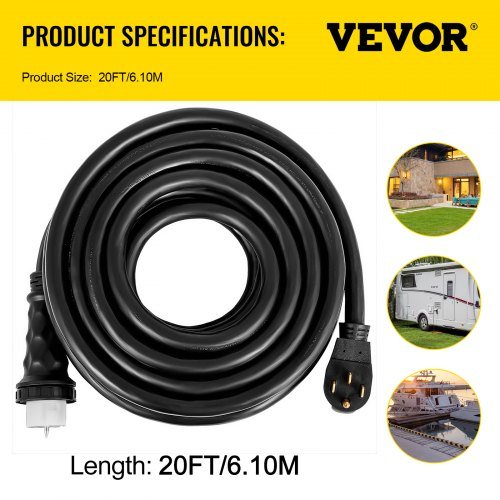
Are you wondering how long an extension cord you can safely use with your generator? Using the wrong length or type can cause serious problems—like power loss, overheating, or even damage to your equipment.
But don’t worry, this article will help you understand exactly what to look for. By the end, you’ll know how to choose the right extension cord length that keeps your generator running smoothly and your devices powered up safely. Keep reading to protect your gear and get the most out of your generator.
Choosing The Right Extension Cord
Extension cord gaugeaffects how far electricity can travel safely. Thicker cords (lower gauge number) carry more power without losing energy. For example, a 12-gauge cord can be longer than a 16-gauge cord while still working well with a generator.
Match the cord’s power ratingwith your generator’s output. Using a cord that can’t handle the power may cause overheating or damage. Always check the label for amps and watts.
Choose outdoor-rated cordsfor generator use. These cords have stronger insulation and resist weather and water. Indoor cords are not safe outside and can be a fire hazard.
| Gauge | Max Length (feet) | Use |
|---|---|---|
| 12 | 100 | Heavy-duty, outdoor use |
| 14 | 50 | Medium load, outdoor use |
| 16 | 25 | Light load, short distance |

Credit: www.amazon.com
Effects Of Cord Length On Generator Performance
Long extension cords cause voltage drop. This means less power reaches your appliance.
Voltage drop can make devices run less efficientlyor not start at all. Some tools might overheator work slowly.
Using a cord too long or too thin can cause power loss. This wastes energy and can damage equipment.
Overloading cords raises fire risks. The cord can get hot and cause electrical shocksor fires.
Always choose the right cord length and thicknessto keep safe and maintain power.
Recommended Extension Cord Lengths
Short cordsare best for small generators or close power needs. Usually, cords under 25 feetwork well for tools or small appliances. These cords reduce power loss and keep the connection safe.
Medium length cordsrange from 25 to 50 feet. They suit most home uses like powering multiple tools or appliances. Use thicker cords to avoid overheating and power drop at this length.
Long cordsare over 50 feet. They need special care. Use heavy-duty cords with thick wire (low gauge) to keep power strong. Long cords can cause voltage drop, so check your generator’s power limits and cord rating carefully.
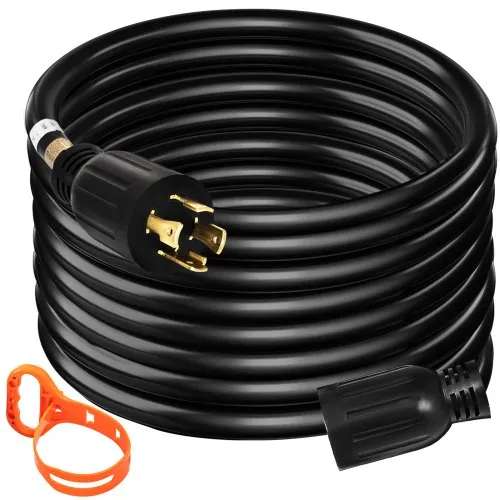
Credit: www.vevor.com
Safety Tips For Using Extension Cords With Generators
Check extension cords for cuts, cracks, or fraysbefore use. Damaged cords can cause electric shockor fires. Make sure plugs and connectors are clean and dry. Use cords rated for outdoor usewith generators.
Do not overload cords. Overheating happens when cords carry more currentthan they can handle. Use cords with the correct gauge sizefor your generator’s power. Keep cords away from heat sourcesand direct sunlight.
Place cords where no one can tripon them. Avoid running cords under rugs or through doorways. Keep cords off wet groundto prevent electric shock. Use cord covers or protectors if needed.
Alternative Solutions To Long Extension Cords
Transfer switcheshelp connect a generator directly to a home’s electrical panel. They avoid using long cords, making power safer and more reliable. A transfer switch can control which circuits get power during an outage. This setup prevents backfeed, which can harm utility workers.
Dedicated outletsallow safe and easy power access from your generator. Installing these outlets near the generator reduces the need for long extension cords. They provide a stable connection for appliances and tools, improving safety and convenience.
- Portable power distribution unitssplit generator power to multiple devices.
- They often have built-in circuit breakers for safety.
- These units shorten the length of cords needed.
- Easy to move and set up near your work or living area.

Credit: www.amazon.com
Frequently Asked Questions
How Long Can A Generator Extension Cord Be Safely?
The safe length depends on the cord’s gauge and wattage load. Generally, 50 feet is safe for 12-gauge cords. Longer cords may cause voltage drop and power loss. Always use a heavy-duty, outdoor-rated extension cord to ensure safety and performance.
What Gauge Extension Cord Is Best For Generators?
For most generators, use 12-gauge or thicker extension cords. Thicker cords handle higher wattage and reduce voltage drop. For distances over 50 feet, consider 10-gauge cords. Always match the cord gauge to the generator’s power output.
Can I Use Any Extension Cord With My Generator?
No, use only heavy-duty, outdoor-rated cords. They must match the generator’s wattage and voltage requirements. Using the wrong cord can cause overheating, fire hazards, or damage to your equipment. Always check the manufacturer’s recommendations.
Does Extension Cord Length Affect Generator Performance?
Yes, longer cords can cause voltage drop and reduce power output. This may damage sensitive appliances or cause generator overload. Keep extension cords as short as possible and use appropriate gauge cords to maintain performance.
Conclusion
Choosing the right extension cord length is crucial. Safety first. Always check your generator’s capacity. Avoid overloading the cord. Longer cords can lead to power loss. Use only outdoor-rated cords. Ensure the cord’s thickness matches the generator’s output. Regularly inspect cords for damage.
Proper storage extends their life. Good practice prevents hazards. Stay informed and cautious. Your tools and safety depend on it. By understanding these basics, you make better choices. Your generator works efficiently, and you stay safe. Consider these tips next time you need a cord.