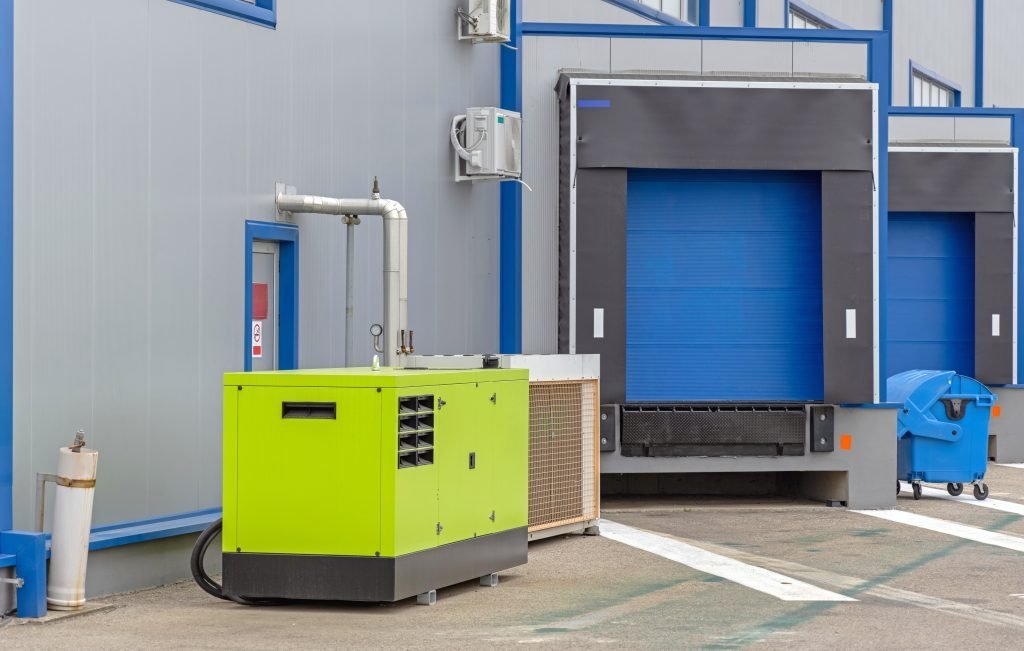
If you own a standby generator, you probably wonder how often you should run it to keep it in top shape. Knowing how long a standby generator is exercised per week is key to making sure it works when you really need it.
Too little testing can lead to unexpected failures, while too much can wear it out faster. You’ll discover the ideal exercise schedule that keeps your generator reliable without causing unnecessary wear. Keep reading to learn how to protect your investment and ensure your power never goes out when it matters most.
Purpose Of Exercising Standby Generators
Exercising standby generatorsis key to keeping them ready and reliable. It helps avoid fuel problemsby running the fuel through the system regularly. Fuel can break down if left unused, causing issues.
Regular exercise also ensures the system components work well. It checks the battery, oil, and coolant levels. This practice helps find any faults earlybefore a real power outage occurs.
- Maintain Reliability:Keeps the generator ready to start anytime.
- Prevent Fuel Degradation:Stops fuel from going bad in the tank.
- Ensure System Readiness:Tests parts like battery and engine for proper function.
Typical Exercise Duration
Standby generatorsusually run for about 30 minutes to 1 hour each week. This weekly exercise helps keep the engine and battery in good shape. It also ensures the generator will work when needed.
Different brandssuggest different times. Some say 20 minutes, others say up to 60 minutes. It depends on the model and size.
The frequency of usematters too. If a generator runs often, it may need less exercise. If it rarely runs, regular weekly tests are important.
| Manufacturer | Recommended Weekly Run Time |
|---|---|
| Brand A | 30 minutes |
| Brand B | 45 minutes |
| Brand C | 60 minutes |
Exercise Frequency Options
Weekly testingkeeps generators ready for power outages. It helps spot problems early and keeps the engine in good shape. Weekly tests usually run for 30 minutes or less. This short run checks if the generator starts and runs smoothly. It also recharges the battery and circulates oil and coolant.
Monthly testingis less frequent but often includes longer runs. This helps the generator handle real power loads and prevents fuel from getting stale. It is useful for generators in places with fewer power interruptions.
- Daily short runsare rare but useful in critical setups. They keep the generator ready and catch issues fast.
- Extended load testingruns the generator with actual devices connected. It checks the system’s ability to handle real power needs.

Credit: mtruhl.com
Factors Influencing Exercise Time
The size and typeof a standby generator affect how long it should be exercised weekly. Larger generators may need longer exercise times to keep parts working well. Different types, like diesel or gas, also have different needs.
Environmental conditionssuch as temperature and humidity can change exercise time. Cold weather may require longer running to keep the engine warm. Dusty or wet places might need more checks and runs to avoid problems.
The fuel type and storageimpact how often the generator runs. Diesel engines often need regular exercise to stop fuel from going bad. Gasoline can evaporate faster, so short but frequent runs help keep fuel fresh.
Best Practices For Exercising Generators
Regular inspection is key for standby generators. Check oil levels and coolant before starting. Look for leaks and corrosion on fuel lines. Running the generator weekly helps spot issues early. Testing under load ensures it works in real use. Keep a log of all inspections for reference.
Monitor performance metrics such as voltage, frequency, and run time. Watching these numbers helps catch problems fast. Generators that run outside normal ranges need service. Tracking fuel consumption also prevents surprises during outages.
- Set a weekly exercise schedule, typically 30 minutes.
- Use automatic controllers to start and stop the engine.
- Choose low-demand times to minimize disruption.
- Regular runs keep batteries charged and parts lubricated.

Credit: www.generac.com
Common Mistakes To Avoid
Overrunning the generatorcan cause serious damage. Running it too long without rest leads to overheating and wear. This shortens the generator’s life and causes costly repairs. Always follow recommended run times.
Neglecting load testsis a common mistake. Load tests ensure the generator can handle real power needs. Without testing, the generator might fail during an outage. Schedule regular tests to keep it ready.
Ignoring manufacturer guidelinesrisks voiding warranties and causing damage. Each model has specific instructions for exercise time and maintenance. Read and follow these rules carefully to avoid problems.
Benefits Of Proper Generator Exercise
Proper generator exercisekeeps the machine in good shape. It helps to extend the lifeof the equipment by preventing rust and corrosion inside the engine. Running the generator regularly makes sure all parts stay lubricated and clean.
Regular testing reduces the chance of failures during emergencies. It finds problems before they become big issues. This means the generator will start when it is truly needed.
Running the generator for the right time each week helps optimize fuel use. It avoids wasting fuel while keeping the engine ready. This saves money and keeps the generator efficient.

Credit: www.amazon.ca
Frequently Asked Questions
How Often Should A Standby Generator Be Exercised Weekly?
A standby generator should be exercised once per week. Running it for 15 to 30 minutes ensures proper function. Regular testing prevents fuel issues and battery failures, keeping the generator reliable during outages.
Why Is Weekly Exercise Important For Standby Generators?
Weekly exercise maintains engine health and battery charge. It helps identify potential problems early. Regular operation also prevents fuel from becoming stale and keeps the cooling system effective.
How Long Does A Typical Standby Generator Exercise Last?
A typical exercise session lasts about 15 to 30 minutes. This duration is sufficient to warm the engine and test the generator under load. It balances maintenance needs without wasting fuel.
Can Exercising A Generator Too Often Cause Damage?
Exercising too often can cause unnecessary wear and fuel use. Weekly exercise is optimal for most models. Excessive running may lead to premature engine or component wear.
Conclusion
Regular exercise for your standby generator ensures reliability. Aim for 20-30 minutes weekly. This keeps the engine in good shape. Prevents fuel issues. Keeps the system ready for power outages. Consistent exercise reduces the risk of breakdowns. Always follow the manufacturer’s guidelines.
Regular checks enhance performance and lifespan. Remember, maintenance is key. It prevents unexpected failures. A well-maintained generator provides peace of mind. Reliable power whenever needed. Invest time in routine exercise. Your generator will thank you. Stay prepared, stay powered.