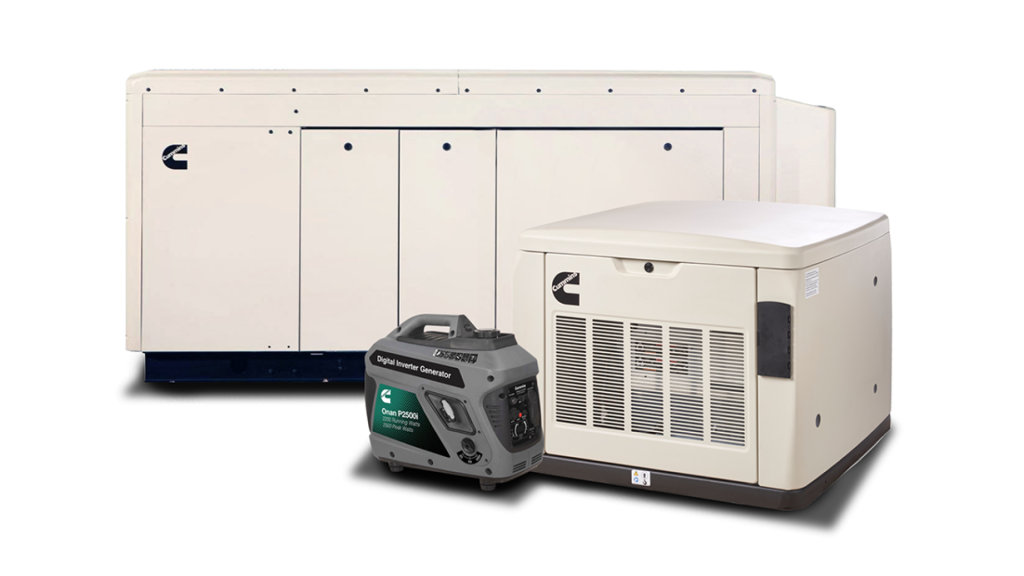
Have you ever wondered how long your standby generator should be exercised to keep it in top shape? You’re not alone.
Ensuring your generator is ready to spring into action when you need it most is crucial. But how do you know if you’re doing enough—or too much? This question can leave you second-guessing and unsure. Fortunately, understanding the right exercise routine for your generator isn’t rocket science.
You’ll discover the perfect balance to maintain your generator’s health, ensuring it’s always ready to power up your home when the unexpected happens. Stick around to uncover the secrets to optimal generator performance and peace of mind.
Purpose Of Exercising Generators
Exercising a standby generator is important to keep it ready for use. It helps prevent fuel degradation, which happens when fuel sits unused for a long time. Old fuel can clog the engine and cause problems.
Running the generator regularly ensures it will start and work properlyduring power outages. This practice helps detect any issues early before they become serious.
Exercise also keeps the engine parts lubricated. Oil moves through the engine, reducing wear and tear on moving parts. This maintains engine healthand extends the generator’s life.

Credit: www.electricgeneratorsdirect.com
Recommended Exercise Duration
Standby generators should be exercised regularly to keep them ready. Typical exercise timesrange from 10 to 30 minutes. This short run helps oil circulate and the battery stay charged.
Several factors affect exercise length. Cold weather may require longer runs to warm the engine. Load testing during exercise can also change the time needed.
Always follow the manufacturer’s guidelines. They offer the best advice for your specific model. Some suggest weekly tests, others monthly. Ignoring these rules can cause damage or reduce generator life.
Exercise Frequency For Standby Generators
Exercise frequencykeeps a standby generator ready for use. Weekly exercises help spot issues early. Monthly exercises save time but may miss small problems. The choice depends on how oftenthe generator is needed.
Generators used in places with frequent power outages need weekly tests. Those in areas with rare outages can exercise monthly. Running the generator for about 20 minuteseach time is common. This keeps the engine and battery healthy.
Seasonal changes affect generator care. Cold weather may require more frequent checks. Hot weather can stress the engine differently. Adjust the exercise schedule to fit the weatherand power needs.
Key Maintenance Activities During Exercise
Check oil and coolant levelsbefore and after running the generator. Low oil or coolant can cause damage. Use the right type of oil and coolant recommended by the manufacturer. Top off if levels are low. This helps the generator run smoothly and last longer.
Inspect battery and electrical systemsto ensure proper start-up and operation. Clean battery terminals if there is any corrosion. Check wiring for loose connections or damage. A weak battery can stop the generator from running during a power outage.
Maintain the fuel systemby checking fuel levels and looking for leaks. Replace old fuel to prevent clogging. Clean or replace fuel filters regularly. Good fuel quality ensures reliable generator performance and prevents breakdowns.
Common Issues Detected During Exercises
Fuel contaminationcan cause the generator to fail during exercises. Dirt, water, and debris mix with fuel and block the fuel system. This leads to poor engine performance or no start at all. Regular fuel checks help keep the system clean.
Battery failureshappen when batteries lose charge or corrode. This prevents the generator from starting or running properly. Testing the battery during exercises ensures it stays strong and ready. Clean terminals and replace old batteries as needed.
Mechanical wearaffects engine parts like belts, filters, and spark plugs. These parts wear out over time and cause breakdowns. Exercises reveal these issues early. Replacing worn parts keeps the generator running smoothly and safely.

Credit: a-ipower.com
Automating Generator Exercises
Automatic testing keeps standby generators ready for use. These tests run without human help, saving time and effort. The generator starts for a set time, often 20 to 30 minutes, to check if it works well.
Benefits Of Automatic Testing
- Consistent checkshelp spot problems early.
- Saves timeby reducing manual work.
- Increases reliabilityof the generator during emergencies.
- Reduces wearby running the generator on a schedule.
Setting Up Exercise Schedules
Set the generator to run at regular times. Weekly or monthly tests are common. The machine runs for a short time, enough to warm up and test power output. Choose times that cause little disruption.
Monitoring And Alerts
Systems track generator status in real-time. Alerts notify you if the machine fails or needs service. This helps fix issues quickly, keeping the generator ready for power outages.
Safety Precautions During Exercises
Proper ventilationis crucial during generator exercises. Generators produce harmful gases like carbon monoxide. Always run the generator outdoors or in a well-ventilated area. Avoid enclosed spaces to prevent gas buildup. Keep windows and doors open if running near buildings.
Handling fuel safelymeans storing fuel in approved containers. Keep fuel away from sparks, flames, or heat. Refuel the generator only when it is turned off and cool. Avoid spills and clean any fuel spills immediately. Store fuel in a cool, dry place.
- Wear protective equipmentsuch as gloves and safety glasses.
- Use ear protection if the generator is loud.
- Wear sturdy shoes to protect your feet from heavy equipment.
Credit: pdqelectric.com
Frequently Asked Questions
How Often Should A Standby Generator Be Exercised?
Standby generators should be exercised once a month to ensure reliability. Regular testing prevents mechanical issues and battery failure. Monthly exercise keeps fuel fresh and parts lubricated, extending generator lifespan.
How Long Does A Typical Generator Exercise Last?
A typical generator exercise lasts about 20 to 30 minutes. This duration allows the engine to reach operating temperature and tests its full functionality. Shorter tests may not reveal potential problems.
Can Exercising A Generator Too Long Cause Damage?
Yes, exercising a generator too long can cause wear and overheating. Stick to recommended exercise times to avoid engine stress and fuel waste. Proper duration ensures optimal maintenance without damage.
What Happens During A Generator Exercise Cycle?
During exercise, the generator starts, runs under load, and cools down. This process checks engine performance, battery charge, and fuel system health. It helps identify issues before power outages.
Conclusion
Regular exercising keeps your standby generator ready to work. Running it for about 20-30 minutes each month helps prevent problems. This simple step ensures the engine stays healthy and fuel doesn’t go bad. It also helps spot issues before a power outage.
Don’t skip this important routine. A well-maintained generator offers peace of mind during emergencies. Keep your generator exercised and ready to protect your home. Small effort, big safety.