
You rely on your standby generator to keep your home powered when the lights go out. But how long should that generator actually last?
Knowing the answer helps you protect your investment and avoid unexpected breakdowns. You’ll discover the key factors that affect your generator’s lifespan and simple tips to make it run longer. Keep reading to learn how to get the most from your standby generator—because when the power fails, you need it to work without a hitch.
Factors Affecting Generator Lifespan
Build qualityand brand reputation greatly affect a generator’s lifespan. Well-made models from trusted brands often last longer. Cheaper models may have parts that wear out quickly.
Usage frequencyalso matters. Generators used daily will wear out faster than those used only during power outages. Running the generator for long hours frequently shortens its life.
Maintenance practicesplay a key role. Regular oil changes, filter cleaning, and inspections keep the generator running smoothly. Poor maintenance leads to early breakdowns.
Operating conditionsimpact durability. Generators used in harsh weather or dusty areas can suffer damage. Keeping the generator sheltered and clean helps extend its life.

Credit: www.angi.com
Average Lifespan Of Standby Generators
The typical engine lifeof standby generators ranges from 10,000 to 30,000 hours. This depends on regular maintenance and usage. Engines running on natural gas often last longer than those using diesel or propane.
Electrical componentsinside generators usually last about 10 to 15 years. These parts can wear out faster if exposed to moisture or dust. Keeping the generator clean helps extend its life.
The fuel typeplays a big role in durability:
- Natural gas:Cleaner and keeps engine life longer.
- Diesel:Powerful but requires more maintenance.
- Propane:Burns cleaner but fuel storage can be tricky.
Signs Of Aging In Generators
Performance declineis a key sign of an aging generator. It may not start as quickly or run as smoothly as before. The power output might also drop, causing issues with connected devices.
Increased fuel consumptionoften happens with older generators. They need more fuel to produce the same amount of power. This means higher running costs and less efficiency overall.
Frequent breakdownsbecome common as parts wear out. Small problems can quickly turn into bigger issues, leading to costly repairs. Regular failures reduce the generator’s reliability during power outages.
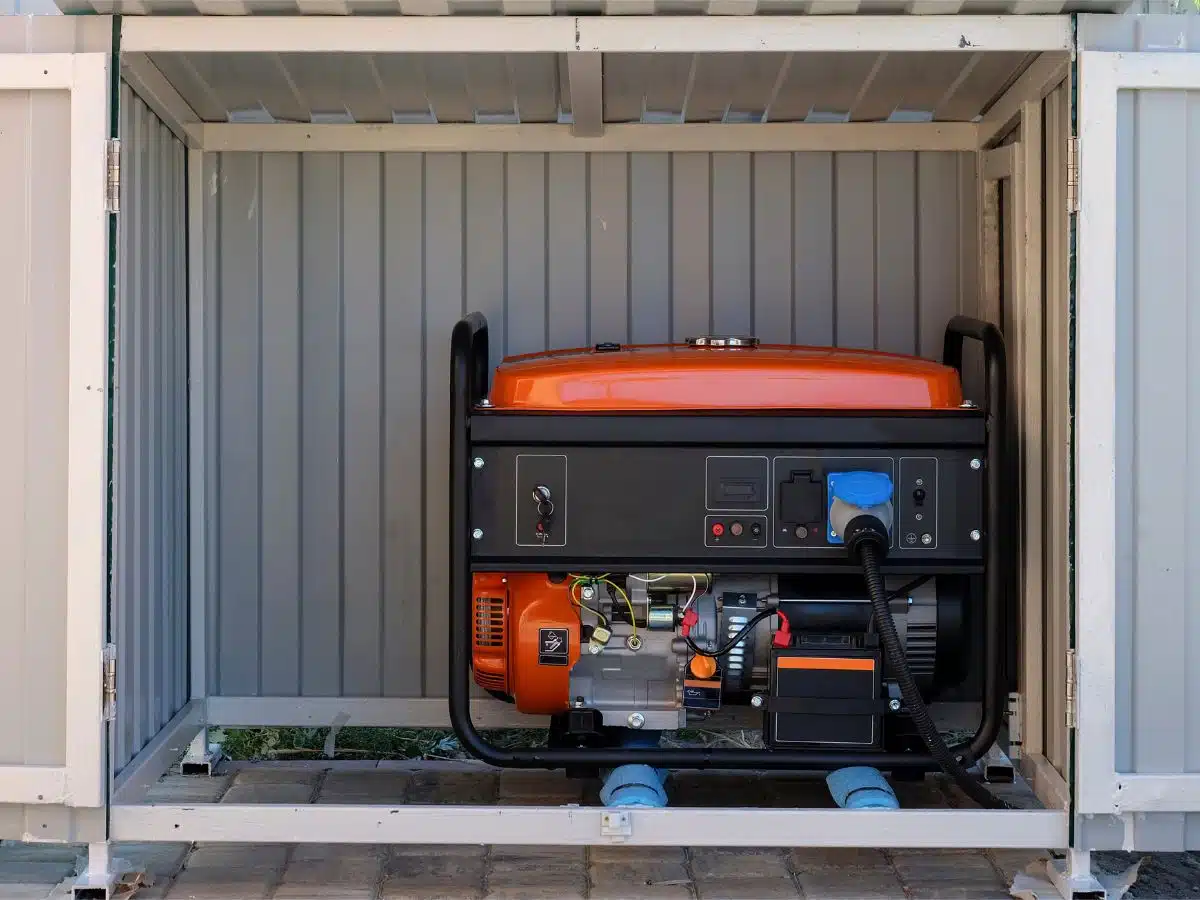
Credit: flpowersolutions.com
Extending Generator Lifespan
Routine maintenancehelps keep a generator running longer. Check oil levels regularly and change the oil after every 50-100 hours of use. Clean or replace air filters to stop dirt from damaging the engine. Test the battery and charging system often to avoid sudden power loss.
Proper storageprotects the generator from damage. Store it in a dry, covered place to prevent rust and wear. Drain fuel or add a fuel stabilizer if the generator will not be used for months. Keep it away from extreme temperatures to avoid cracking or freezing parts.
Timely repairsstop small problems from growing. Fix leaks, worn belts, and loose wires quickly. Replace parts that show signs of wear or damage. Regular inspections can catch issues before they cause a breakdown, helping your generator last many years.
When To Replace Your Generator
Choosing between repair and replacement often depends on cost. Repairs may be cheaper short-term but can add up quickly. New generators come with warrantiesand better parts. If repair costs approach 50% of a new unit’s price, replacement is wise. Old parts may fail soon again.
Newer models have better technology. They run quieter and use less fuel. Some have smart features like automatic alerts and remote control. These updates improve reliabilityand ease of use. Upgrading can save money over time.
Safety is key. Older generators might lack modern safety features. New models often include better carbon monoxide detectorsand automatic shutoffs. These reduce risks to users and homes. Consider safety improvements when deciding.
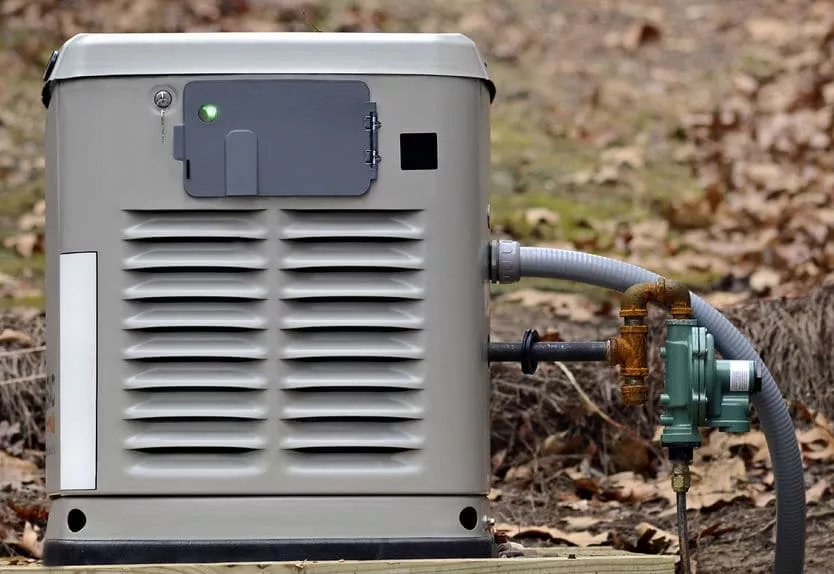
Credit: www.premium-electric.ca
Frequently Asked Questions
How Long Do Standby Generators Typically Last?
Standby generators usually last between 10 to 30 years. Their lifespan depends on maintenance, usage frequency, and fuel type. Proper care can extend the generator’s life significantly.
What Factors Affect A Standby Generator’s Lifespan?
Key factors include regular maintenance, fuel quality, load capacity, and operating environment. Frequent servicing and correct usage boost durability and performance.
How Often Should I Service My Standby Generator?
Annual servicing is recommended for optimal performance. Regular checks prevent breakdowns and ensure the generator runs efficiently during power outages.
Can Fuel Type Impact Standby Generator Longevity?
Yes, fuel type affects lifespan. Natural gas and propane generators typically last longer than diesel models due to cleaner combustion and less maintenance.
Conclusion
A standby generator can last a long time with care. Regular maintenance helps extend its lifespan. Oil changes and inspections are key. Listen for unusual noises. Address issues quickly to avoid bigger problems. Choose quality parts for repairs. Use the generator properly.
Avoid overloading it. Understand its limits and capabilities. Store it correctly when not in use. Keep it clean and dry. A little effort goes a long way. Your generator can serve you well for many years. Investing time in upkeep pays off.
You’ll enjoy reliable power when needed most.