
Thinking about installing a standby generator at your home or business? One of the first questions on your mind is probably: how long will it take?
You want a clear answer because downtime isn’t an option, and you need your power back as soon as possible. This article breaks down the installation process in simple terms, so you know exactly what to expect. Keep reading to discover the timeline, key steps, and what can speed up—or slow down—your generator installation.
Your peace of mind starts here.
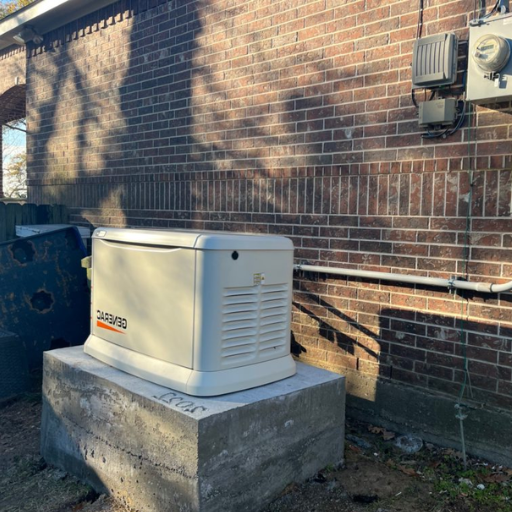
Credit: shgeneratorset.com
Factors Affecting Installation Time
The size and typeof the generator affect installation time. Larger generators take longer to install. Portable units are quicker than standby models. The type also matters; natural gas or propane models may need extra setup.
Site preparationincludes clearing space and creating a stable base. Difficult terrain or tight spaces slow the process. Proper drainage and ventilation also add time.
Electrical system complexitychanges how long installation takes. Older homes may need panel upgrades. Complex wiring or transfer switch installation requires more work.
Obtaining permits and inspectionscan delay the project. Local rules vary widely. Scheduling inspections depends on officials’ availability. This step can add days or weeks.
Typical Installation Timeframes
Installing a small residential generatorusually takes about one to two days. This includes setup, wiring, and testing to ensure it works properly.
For large home systems, installation can take two to four days. These systems require more wiring and sometimes extra parts.
Commercial standby generatorsneed more time. Installation often takes one to two weeksbecause of size and complexity. More safety checks and permits may be involved.
Step-by-step Installation Process
Assessing the site is crucial to find the best place for the generator. It must be near fuel and power sources. Planning includes checking local rules and space for equipment.
Permits must be obtained before starting. Scheduling the work ensures all teams arrive on time. Delays can happen if permits are missing or schedules clash.
Equipment delivery usually takes a day. The setup includes placing the generator on a firm base. Proper placement helps with safety and performance.
Connecting the generator to electricity and fuel lines needs care. Only licensed electricians and plumbers should do this work. Secure connections prevent leaks and power issues.
Testing checks if the generator works well under load. Commissioning means the system is ready for use. This step ensures safety and reliability.

Credit: www.angi.com
Tips To Speed Up Installation
Preparing the site before installation saves time. Clear the area and ensure easy access for equipment. Mark the spot where the generator will sit. This helps installers work quickly and safely.
Experienced installers know the process well. They avoid common delays and mistakes. Hiring skilled professionals can shorten the installation time.
Getting permits early prevents waiting for approvals. Check local rules and apply as soon as possible. This step is key to avoid project hold-ups.
Plan the fuel supply in advance. Decide if you will use propane, natural gas, or diesel. Ensure connections are ready before the installation begins.
Common Delays And How To Avoid Them
Permit approval delayscan slow down generator installation. Paperwork often takes time. Local rules vary and must be followed strictly. Submitting all documents correctly helps speed up the process.
Weather conditionsaffect installation speed. Rain, snow, or strong winds may stop work. Clear, calm days allow work to proceed safely and quickly.
Unforeseen site issues like hidden pipes or uneven ground cause delays. Inspecting the site early can help find problems before work starts. Fixing issues right away keeps the project on track.
| Equipment Availability | Impact on Installation | How to Avoid Delay |
|---|---|---|
| Generator Unit | Waiting for delivery can stop work | Order early and confirm delivery date |
| Installation Parts | Missing parts cause work stoppage | Check inventory before starting |
| Special Tools | Not having tools delays tasks | Prepare tools and equipment in advance |
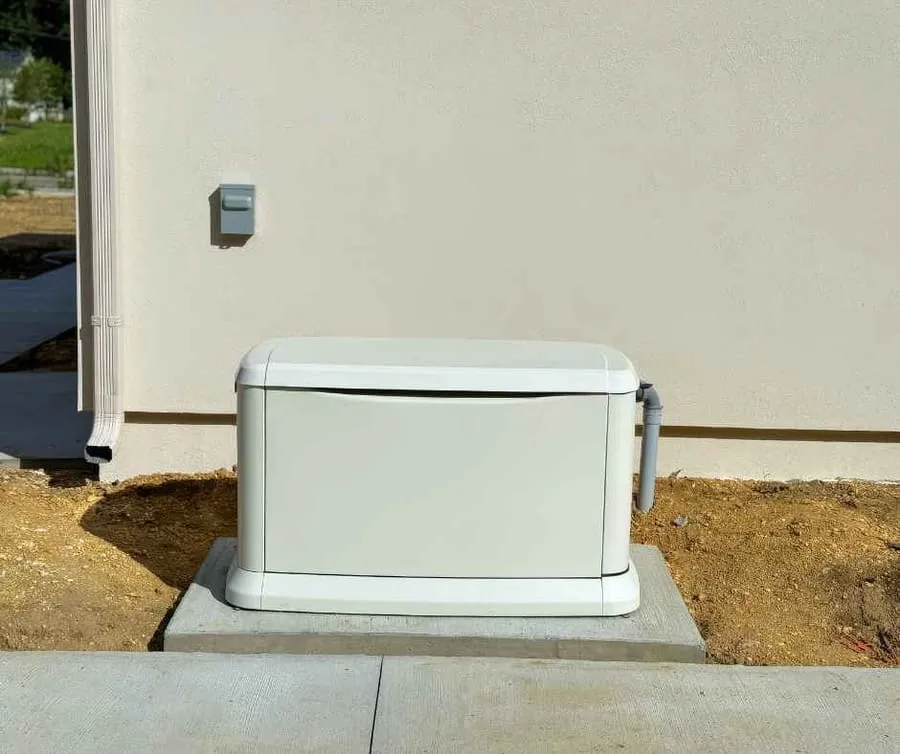
Credit: generatorstore.com
Frequently Asked Questions
How Long Does Installing A Standby Generator Take?
Installing a standby generator typically takes 1 to 3 days. The duration depends on site complexity, permits, and electrical work required. Simple installations may be completed faster, while complex setups with additional wiring take longer.
What Factors Affect Standby Generator Installation Time?
Installation time depends on site preparation, electrical connections, permit approvals, and generator size. Weather conditions and contractor availability also influence the schedule. Proper planning helps minimize delays and ensures a smooth installation process.
Can Permits Delay Standby Generator Installation?
Yes, obtaining permits can delay installation. Local regulations require inspections and approvals before work begins. It’s essential to factor permit processing time into your project timeline to avoid unexpected hold-ups.
Is Professional Installation Necessary For Standby Generators?
Professional installation is highly recommended for safety and compliance. Licensed electricians ensure proper wiring, grounding, and adherence to local codes. This guarantees reliable operation and avoids costly mistakes.
Conclusion
Installing a standby generator ensures reliable power during outages. The installation time varies. Factors include the generator type and local regulations. Typically, the process takes several days. Planning and preparation are crucial. Choose a reputable installer for efficient service. Site inspections and permits might be necessary.
Proper placement ensures safety and performance. Regular maintenance extends the generator’s lifespan. Always follow manufacturer guidelines. Investing in a standby generator provides peace of mind. It keeps your home powered during emergencies. Make the smart choice. Stay prepared. Enjoy uninterrupted power.