
Are you thinking about investing in a standby generator? One of the most pressing questions on your mind is likely, “How long will it last?”
You’re not alone. Many homeowners and businesses want to ensure their investment stands the test of time. Understanding the lifespan of a standby generator is crucial for planning and peace of mind. It could mean the difference between power security and unexpected outages.
We’ll delve into the factors that influence a generator’s longevity and how you can maximize its lifespan. Stick around to discover practical tips and expert insights that will help you make the most informed decision for your power needs.
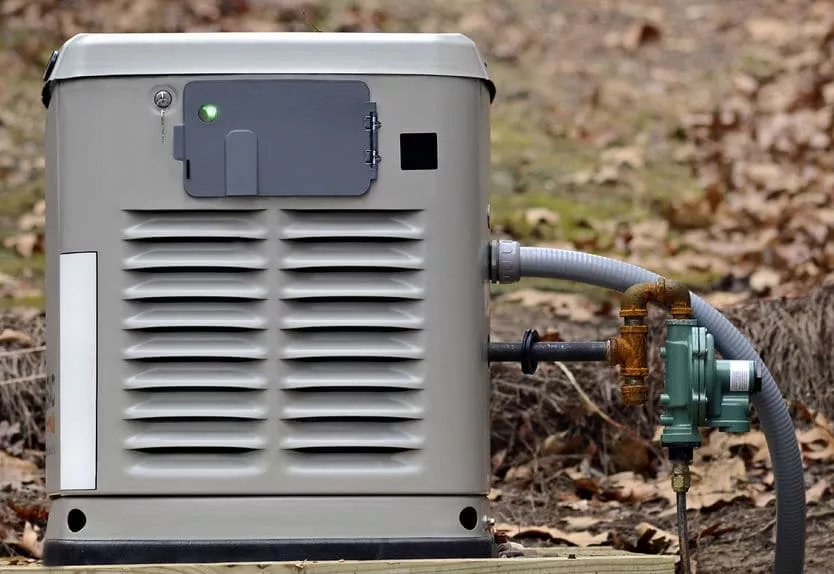
Credit: www.premium-electric.ca
Factors Affecting Generator Lifespan
Build quality and brandimpact how long a generator lasts. Top brands use better parts and last longer. Cheaper models may break faster.
Usage frequency and loadalso matter. Running the generator often or at full load wears it out quicker. Light, occasional use helps it last.
Maintenance practiceskeep the generator healthy. Regular oil changes, filter cleaning, and inspections prevent damage. Skipping maintenance shortens its life.
Fuel type and qualityaffect performance. Clean, fresh fuel helps the engine run smoothly. Old or dirty fuel can cause clogs and damage.
Environmental conditionsplay a big role. Extreme heat, cold, dust, or moisture can harm the generator. Storing it in a dry, cool place protects it.
Average Lifespan Of Standby Generators
The average lifespanof a standby generator is usually 10 to 30 years. Smaller models tend to last closer to 10-15 years. Larger, well-maintained units may run for 20-30 years.
| Generator Size | Typical Lifespan (Years) |
|---|---|
| Small (5-10 kW) | 10-15 |
| Medium (10-20 kW) | 15-25 |
| Large (20+ kW) | 20-30 |
Usage patterns greatly affect lifespan. Frequent use or long run times can shorten it. Regular maintenance helps extend the generator’s life. Running the generator only during power outages usually leads to longer use.
Maintenance Tips For Longevity
Regular inspections help spot problems early. Check for leaks, loose parts, and dirt. Clean or replace air filters often for better performance.
Oil and filter changes keep the engine running smoothly. Use the right oil type. Change oil at least once a year or after 100 hours of use.
Battery care is key. Keep terminals clean and tight. Test battery charge regularly. Replace old batteries to avoid startup issues.
Fuel system maintenance prevents clogs. Use fresh fuel and add stabilizer if stored long. Clean fuel lines and replace filters as needed.
Software and firmware updates improve efficiency and fix bugs. Check for updates from the manufacturer. Install them to keep your generator smart and safe.

Credit: www.angi.com
Signs Your Generator Needs Replacement
Frequent breakdowns show your generator is wearing out. Fixes become costly and often fail. Increased fuel consumption means the generator uses more gas than before. This rise can signal engine problems or poor maintenance.
Unusual noises and vibrations can point to loose parts or internal damage. Strange sounds should not be ignored as they often worsen. Difficulty starting is another sign. If the generator struggles to turn on, the battery or starter might be failing.
Decreased power output means your generator cannot supply enough electricity. This can cause devices to run slowly or stop working. These signs suggest it might be time to replace the generator soon.
Extending Your Generator’s Life
Proper storage helps keep your generator safe and ready. Store it in a cool, dry place. Cover it to block dust and dirt. Drain fuel if you won’t use it for a long time. This stops fuel from going bad and hurting the engine.
Managing the load is key to a long life. Don’t run too many devices at once. Use only what the generator can handle. This keeps the engine from working too hard and breaking down.
Regular professional servicing keeps your generator in top shape. Mechanics check oil, filters, and parts. They fix small problems before they grow. This care helps the generator run longer without trouble.
Upgrading parts can boost lifespan and performance. Newer components often work better and last longer. Think about better batteries or more efficient engines. This can save money over time and keep power steady.
Comparing Standby Generators To Portable Options
Standby generators run longer without refueling compared to portable ones. They offer continuous power during extended outages. Portable generators are best for short-term or occasional use.
Durability Differences
Standby generatorsare built to last many years with little maintenance. They have strong parts and are kept in a safe place. Portable generatorsare lighter and easier to move but can wear out faster. They face more damage from weather and handling.
Lifespan Expectations
Standby generators usually last 10 to 30 years. Portable generators last about 5 to 10 years. The life depends on how often they run and how well they are cared for.
Cost Vs. Longevity
| Generator Type | Average Cost | Expected Lifespan |
|---|---|---|
| Standby Generator | $2,000 – $7,000+ | 10 – 30 years |
| Portable Generator | $500 – $1,500 | 5 – 10 years |
Standby units cost more but last longer. Portable models are cheaper but may need replacing sooner.
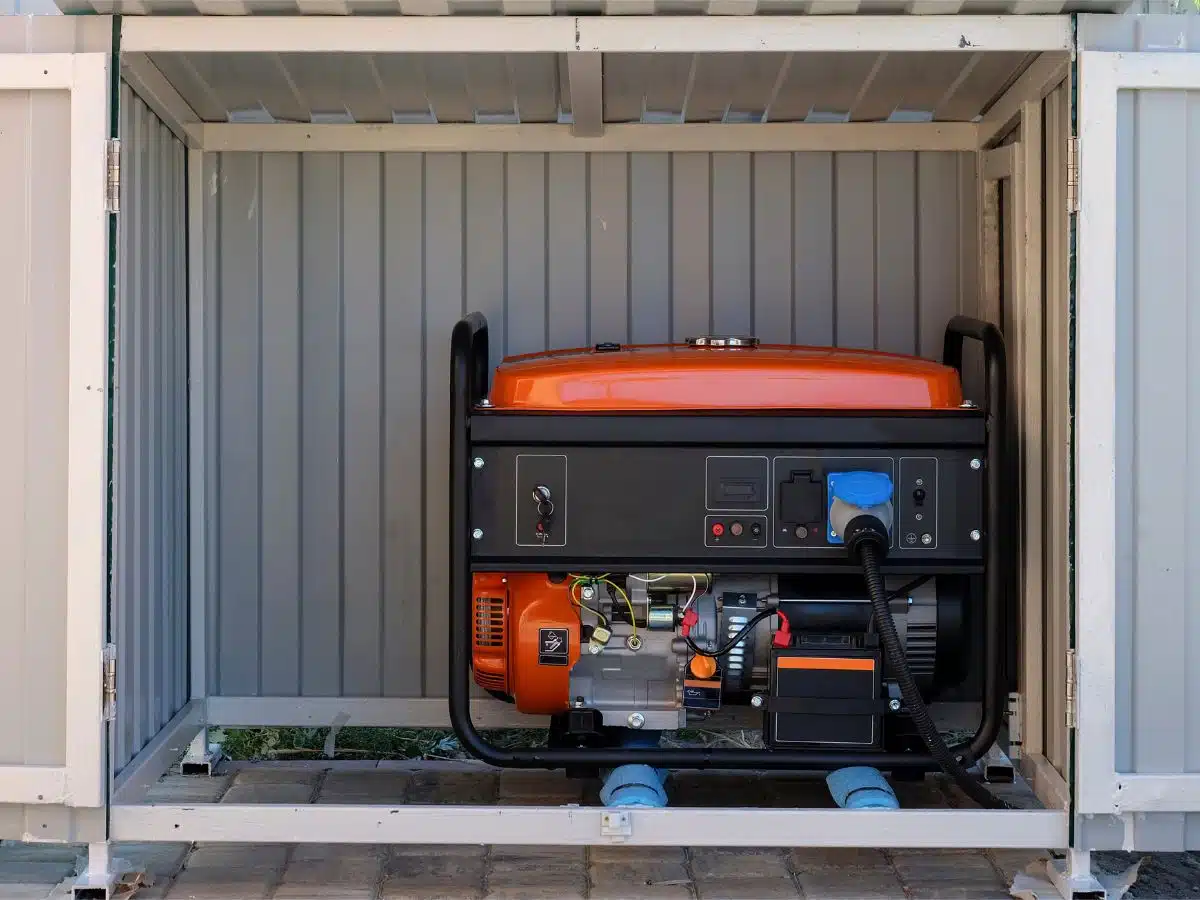
Credit: flpowersolutions.com
Frequently Asked Questions
How Long Can A Standby Generator Run Continuously?
A standby generator can typically run 24 to 48 hours continuously. Runtime depends on fuel type, generator size, and load demand. Proper maintenance ensures longer operation without interruptions. Always monitor fuel levels to avoid unexpected shutdowns during power outages.
What Factors Affect Standby Generator Lifespan?
Standby generator lifespan depends on fuel quality, maintenance, load usage, and environmental conditions. Regular servicing and timely repairs extend its life. Using clean fuel and operating within recommended limits also improve durability. Most generators last 10 to 30 years with proper care.
How Often Should I Service My Standby Generator?
Service your standby generator at least once a year. Regular checks prevent breakdowns and maintain efficiency. Inspect oil, filters, spark plugs, and battery during service. Follow manufacturer guidelines for best results and longer generator life.
Can A Standby Generator Power A Whole House?
Yes, a standby generator can power an entire house if sized correctly. Choose a generator with sufficient wattage for all essential appliances and systems. Consult a professional to determine the right capacity based on your home’s energy needs.
Conclusion
A standby generator can last many years with good care. Regular checks keep it running smoothly. Fuel type and usage affect its life span. Quality parts also help the generator stay strong. Plan maintenance and replace parts when needed. This saves money and avoids sudden breakdowns.
Knowing how long your generator lasts helps you prepare. Stay ready for power outages with a reliable standby generator.