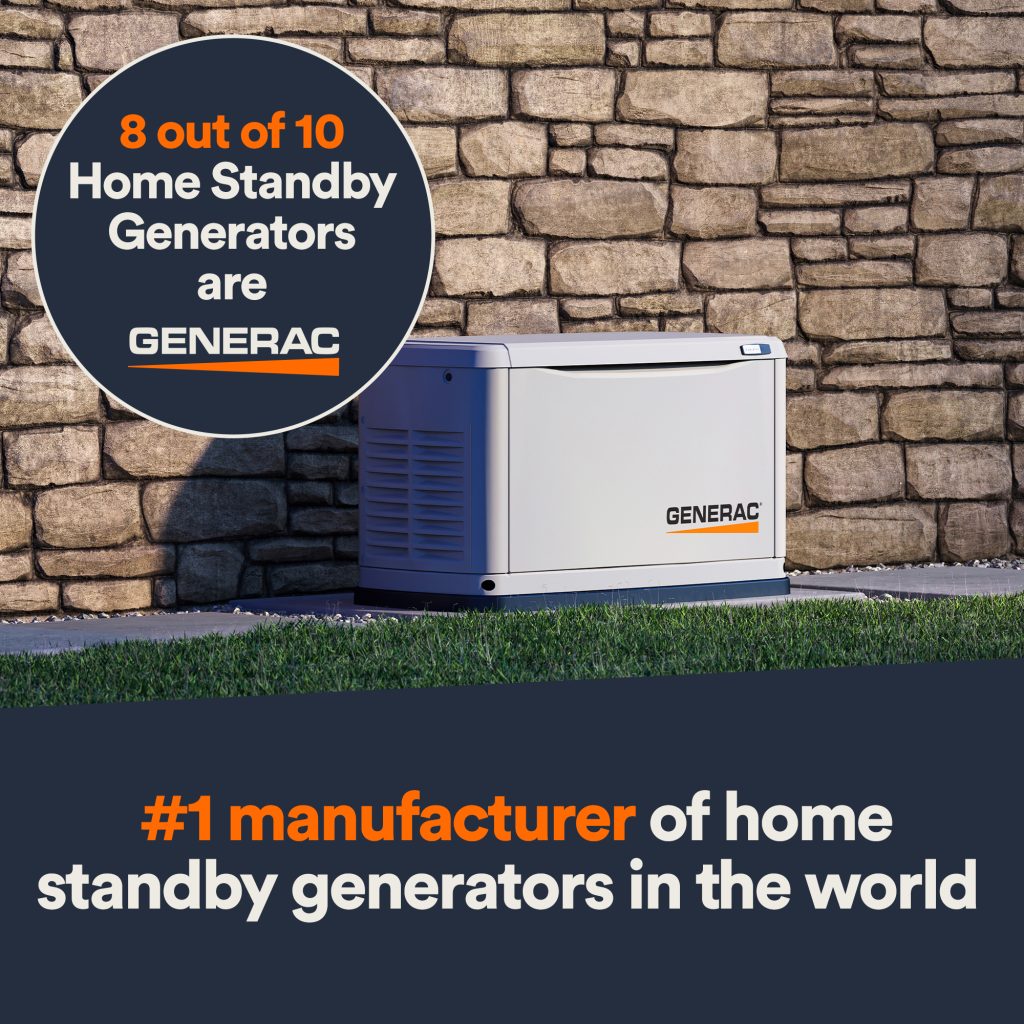
Ever wondered just how loud standby generators really are? Picture this: a peaceful evening at home, and then suddenly, the power goes out.
In that moment of silence, your standby generator kicks in. But how much noise does it actually make? If you’re considering investing in one, understanding its noise level is crucial. Not only does it affect your comfort, but it also impacts your relationship with neighbors.
You don’t want a device that roars like a lion when it should be purring like a kitten, right? Dive into this article to discover the truth about standby generator noise levels and ensure your home stays serene even when the lights go out.
Noise Levels Of Standby Generators
Standby generators produce noise levels similar to a running vacuum cleaner. Sound varies by size and brand, typically ranging from 60 to 70 decibels. Quiet models offer peace while keeping your power on during outages.
Typical Decibel Range
Standby generators usually produce noise between 60 and 75 decibels (dB). This level depends on the generator’s size and model. Smaller models tend to be quieter, closer to 60 dB. Larger models can reach up to 75 dBor more. These noise levels are measured from a distance of about 7 meters (23 feet).
Comparison With Common Sounds
| Sound | Decibel Level (dB) |
|---|---|
| Normal conversation | 60 |
| Standby generator (small) | 60-65 |
| Vacuum cleaner | 70 |
| Standby generator (large) | 70-75 |
| Traffic noise | 75 |

Credit: blog.norwall.com
Factors Affecting Generator Noise
The engine sizegreatly affects the noise level of a standby generator. Larger engines usually produce more noisedue to their power output. The engine type, such as diesel or gas, also changes the sound. Diesel engines tend to be louderthan gas engines because of their combustion process.
Noise can change based on the loadand how the generator runs. When a generator works harder or carries a heavier load, it often becomes noisier. Running at full power makes the engine louder than when it runs at low power or idle.
The enclosurearound the generator plays a big role in reducing noise. Soundproofing materials and tight seals help block noise. Installation location matters too; placing the generator away from living areas lowers noise impact. Proper installation and good enclosures make generators much quieter.
Measuring Generator Noise
Decibel metersmeasure how loud a standby generator is. They show noise in decibels (dB). This helps compare different generators. Noise rules often say how loud a generator can be.
Testing happens in quiet placesto get clear results. Sometimes tests are done outdoors or in sound rooms. This stops other sounds from mixing with generator noise.
| Testing Environment | Purpose | Noise Level Range (dB) |
|---|---|---|
| Outdoor Open Area | Measure real use noise | 50 – 70 |
| Soundproof Room | Control background noise | 40 – 60 |
| Near Neighbors | Check noise rules | 45 – 65 |

Credit: www.generac.com
Noise Reduction Techniques
Soundproof enclosureshelp trap noise from standby generators. They use thick materials that block sound waves. These enclosures reduce loud sounds and protect the generator from weather.
Vibration isolationstops noise caused by shaking parts. Special pads or mounts absorb vibrations. This lowers the noise that spreads to the ground or nearby walls.
Mufflers and exhaust systemsquiet the loud engine noise. Mufflers slow down exhaust gases and reduce sound. A good exhaust system directs noise away from people.
Impact Of Noise On Residential Areas
Noise from standby generators can affect peacein residential areas. Many neighborhoods have local noise rulesto keep sounds low. These rules often set limits on how loud a generator can be during the day and night.
Following these rules helps avoid finesand keeps good relations with neighbors. Common limits range between 50 to 70 decibels, about the sound of a normal conversation or a vacuum cleaner.
Proper installation can reduce noise. Placing the generator away from windows and using sound barriers helps. Also, installing on a solid base cuts down vibrations, lowering sound.
- Choose a spot far from neighbors’ homes
- Use soundproof enclosures or barriers
- Install anti-vibration pads
- Regularly maintain the generator to avoid extra noise
Choosing A Quiet Generator
Choosing a quiet generatorhelps keep noise low in your home. Some models run at less than 60 decibels, which is about the sound of a normal conversation. Look for generators with soundproof enclosuresand rubber mountsthat reduce vibrations. A low RPM enginealso cuts noise levels.
Generators with automatic load controladjust power output and reduce noise when less power is needed. Smaller, compact designstend to be quieter too. Checking the decibel ratingbefore buying is important. A quiet generator helps keep peace in your neighborhood.
| Model | Noise Level (dB) | Power Output (kW) | Special Features |
|---|---|---|---|
| Model A | 58 | 10 | Soundproof case, Low RPM engine |
| Model B | 60 | 12 | Automatic load control, Compact design |
| Model C | 55 | 8 | Rubber mounts, Sound insulated |
- Sound level:Aim for under 60 decibels.
- Engine speed:Low RPM reduces noise.
- Enclosure:Look for soundproof materials.
- Vibration control:Rubber mounts help.
- Power management:Automatic load adjustment saves noise.
- Size:Smaller units tend to be quieter.
Credit: generatorsupercenter.com
Frequently Asked Questions
How Loud Are Standby Generators Typically?
Standby generators usually produce noise between 60-70 decibels. This level is similar to a normal conversation or background music. Noise varies by brand and model. Modern generators often include soundproofing to reduce noise impact.
Do Standby Generators Make More Noise Than Portable Ones?
Standby generators generally run quieter than portable generators. They have better insulation and are installed away from living areas. Portable generators can reach 70-90 decibels, louder due to their compact design and engine type.
Can Standby Generator Noise Disturb Neighbors?
Yes, standby generators can disturb neighbors if not properly installed. Proper placement and sound barriers help reduce noise. Local noise regulations often limit acceptable noise levels from generators.
What Affects The Noise Level Of Standby Generators?
Noise levels depend on generator size, engine type, and soundproofing. Larger engines usually produce more noise. Advanced mufflers and enclosures help minimize sound. Regular maintenance also ensures quieter operation.
Conclusion
Standby generators make some noise, but levels vary by model. Many run quietly enough for home use. Sound depends on size, load, and installation. You can reduce noise with barriers or placement. Knowing noise levels helps choose the right generator.
This way, you stay prepared without disturbing neighbors. Quiet or loud, standby generators keep power flowing. Choose wisely for comfort and peace of mind.