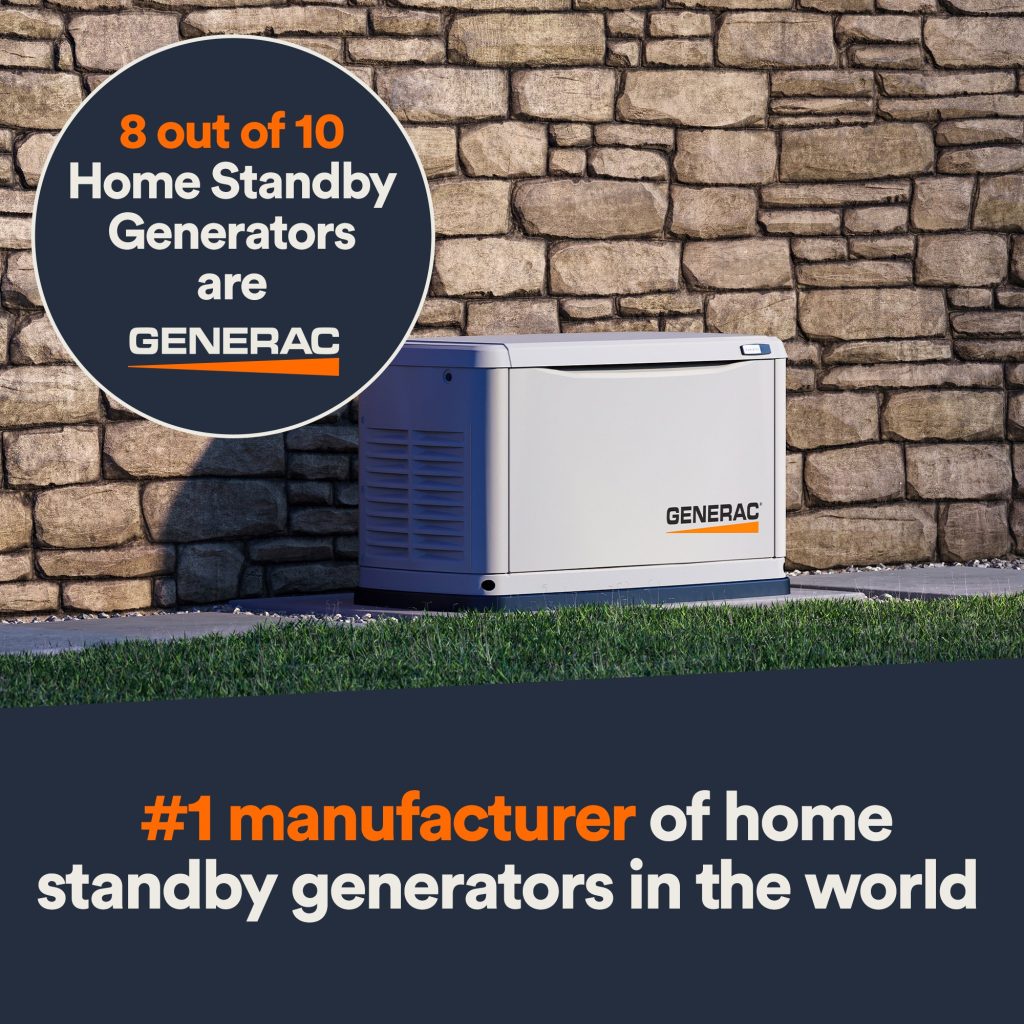
Imagine a quiet evening at home when suddenly the lights flicker and go out. A standby generator roars to life, ensuring your home remains a sanctuary of light and power.
But how loud is that reassuring hum? If you’re considering investing in a standby generator, or if you already own one, you might be curious about the noise levels and how they could impact your peace. We’ll delve into the decibel dynamics of standby generators.
We’ll explore what makes them tick, how their noise compares to everyday sounds, and what you can do to minimize the impact on your environment. Whether you’re worried about disturbing the neighbors or simply want to maintain your home’s tranquility, understanding generator noise is crucial. Ready to demystify the sound of your standby generator? Let’s dive in.
Standby Generator Basics
A standby generatorprovides power during outages. It automatically turns on when the main power fails. This ensures that essential systems keep running. Homes and businesses rely on these generators. They are crucial during storms or emergencies.
Standby generators have several important parts:
- Engine:Powers the generator.
- Alternator:Converts mechanical energy to electrical.
- Fuel System:Supplies energy to the engine.
- Battery:Starts the engine.
- Control Panel:Manages operations and displays information.
Each part plays a key role. Together, they ensure the generator runs smoothly.
Decibel Levels
Standby generators typically produce noise levels between 65 to 100 decibels. This sound can be compared to a vacuum cleaner or a lawnmower. Proper placement and soundproofing can help manage noise in residential areas.
What Is A Decibel?
A decibelmeasures sound intensity. It uses a logarithmic scale. This scale helps to compare sounds. Higher numbers mean louder sounds. A whisper is about 30 decibels. Normal talking is around 60 decibels.
Decibel Scale
The decibel scaleranges from zero to over 140. Zero decibels is the softest sound a human can hear. A jet engine can be 120 decibels or more. Standby generators fall between 60 and 80 decibels. It’s like normal conversation or a vacuum cleaner. Understanding this scale helps us know sound levels.
Noise Factors
The engine type greatly affects the noise level of a generator. Diesel engines are often louder than gasoline ones. They produce a deep, rumbling sound. Natural gas engines are quieter. They have a smoother operation. The engine’s design and technology also play a role. Newer models often have noise-reducing features.
Larger generators can be noisier. They have more power and bigger engines. A small generator might produce less noise. But it may not meet all power needs. The capacity and size should match the required power output. Choosing the right size is crucial for balancing noise and power.
The environment around the generator affects its noise level. Open spaces allow sound to travel farther. Placing generators near walls can reflect sound. This might make them seem louder. Soundproof enclosures can help reduce noise. Proper installation can minimize noise impact.
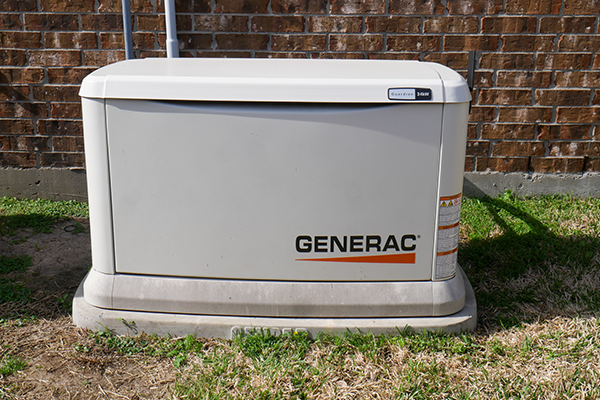
Credit: generatorsupercenter.com
Comparative Noise Levels
Standby generators typically produce noise levels between 60 to 80 decibels. This is similar to a normal conversation or background music. Knowing this helps in planning for noise control in residential areas.
Generators Vs. Household Appliances
Standby generators produce noise like a loud vacuum cleaner. Their sound level is usually around 70 decibels. A refrigerator hums at about 40 decibels. Microwaves and dishwashers are a bit louder, reaching up to 60 decibels. This means a generator is noisier than most kitchen appliances. It can be as loud as a busy street.
Generators Vs. Outdoor Equipment
Outdoor equipment like lawn mowers can be very loud. They often reach about 90 decibels. Leaf blowers are similar, sometimes louder. Standby generators are quieter than this outdoor gear. But they are louder than an electric drill, which is around 80 decibels. So, generators sit in the middle of the noise scale.
Noise Reduction Techniques
Standby generators can be quite loud, often reaching up to 75 decibels. Noise reduction techniques, like soundproof enclosures or mufflers, can help minimize the disturbance. Effective placement and regular maintenance also play a key role in controlling noise levels.
Soundproofing
Soundproofinghelps make a generator quieter. Thick walls around the generator can block noise. Special soundproofing panels can be used. These panels absorb sound. Insulationis also useful. It stops sound from escaping. Soundproof boxes can be built too. They cover the generator, reducing noise.
Vibration Control
Vibration controlis important for reducing noise. Generators shake when they run. This shaking makes noise. Rubber pads under the generator can help. They absorb the vibrations. Springs can also reduce shaking. They keep the generator stable. Regular maintenanceis needed too. It ensures all parts work smoothly. This helps lower noise levels.

Credit: blog.norwall.com
Choosing A Quiet Generator
Understanding the noise levels of standby generators is crucial for peaceful operation. Most models produce between 60 to 70 decibels, similar to normal conversation. Selecting a quiet generator ensures comfort and minimal disturbance in your surroundings.
Features To Consider
Look for noise level ratings. Lower decibels mean quieter operation. Sound insulation helps reduce noise. Vibration dampeners can minimize sound. Eco-mode reduces engine noise when power demand is low. Size matters; smaller models are often quieter. Fuel type can influence noise levels. Inverter generators are usually quieter than traditional ones. Placement is key; keep it away from living areas.
Brands And Models
| Brand | Model | Noise Level (dB) |
|---|---|---|
| Honda | EU2200i | 48-57 |
| Yamaha | EF2000iSv2 | 51.5 |
| Champion | 100302 | 58 |
Impact On Health And Comfort
Standby generators can produce noise levels that disrupt sleep and increase stress. Prolonged exposure may lead to hearing issues and discomfort. Understanding noise impact helps in choosing quieter models for better health and comfort.
Health Risks
Standby generatorscan be noisy. Loud sounds might hurt ears. Long exposure may cause headaches. Stress levels can rise with constant noise. Sleep can be disrupted by loud sounds. Noise affects heart rate too. It’s crucial to limit exposure. Protect ears from loud noise. Use earplugs for safety. Choose generators with lower noise levels.
Comfort Considerations
Noise from a generator can be annoying. Loud sounds make it hard to relax. Conversations become difficult near noisy machines. Watching TV or reading is challenging. Generators can disturb peace at home. Consider placing them far from living areas. Noise barriers help reduce sound impact. Look for quieter models. Enjoy comfort with low-noise generators. Feel at ease in your own space.

Credit: www.instagram.com
Frequently Asked Questions
Are Standby Generators Loud?
Standby generators can be loud, but modern models are designed to minimize noise. Most operate around 60-70 decibels, similar to normal conversation levels. Noise levels vary based on size, type, and installation. Proper placement and soundproofing can reduce noise for a quieter experience.
Do Generac Generators Make A Lot Of Noise?
Generac generators typically produce moderate noise levels. They use technology to minimize sound, making them quieter than many traditional generators. Noise levels can vary by model, with some emitting around 60-70 decibels. Proper installation and maintenance help keep noise at a minimum.
Always check the specific model’s noise rating for details.
Can Neighbors Complain About The Noise From A Generator?
Yes, neighbors can complain about generator noise. Local noise ordinances often regulate acceptable sound levels. Consider using noise-reducing measures like sound barriers. Regularly check and maintain your generator to ensure it runs quietly. Respect community peace by using generators during appropriate hours.
Which Standby Generator Is The Quietest?
The Generac Guardian Series is known for its quiet operation. It features sound-dampening technology and runs at 62 dB. Ideal for residential use, it offers reliable performance without disturbing the peace. Consider size and power needs when choosing a generator.
Always verify specifications from manufacturers for accurate noise levels.
Conclusion
Understanding generator noise helps in making informed decisions. Consider the noise level before purchase. Quieter models might suit residential areas better. Check manufacturer specifications for noise ratings. Compare different models for the best fit. Remember, proper installation can reduce noise impact.
Maintenance also plays a role in noise levels. Choose wisely to ensure comfort and efficiency. A well-chosen generator provides peace during power outages. Prioritize both function and noise in your selection. This ensures a balanced choice for your needs.